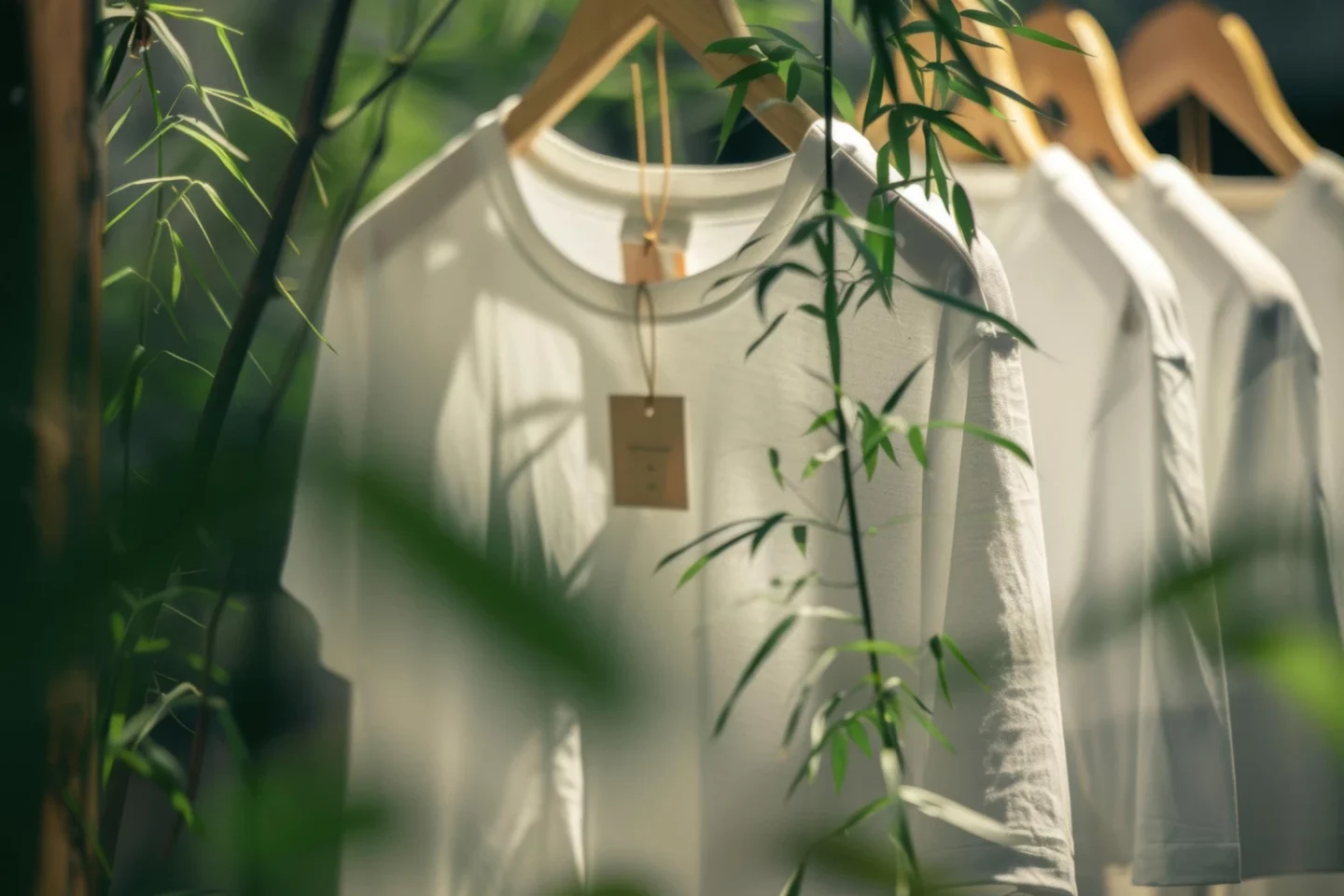
Introduction: Why Fabric Choices Matter More Than You Think
Fabric choices matter more than anything because clothing touches our skin all day. The origin and manufacturing of a fabric impact our skin. Conventional fabrics often contain chemical dyes and treatments that may trigger irritation, especially for sensitive skin. Organic clothing is an aid to this, made from natural fibers without harmful chemicals, and providing a gentle and safe option for babies to adults seeking everyday comfort.
Understanding Sensitive Skin in Modern Families
Environmental factors, lifestyle changes, and exposure to synthetic materials are the cause nowadays sensitive skins are becoming common nowadays. As clothing stays in contact with the skin for long periods, fabric quality plays a major role in how skin reacts throughout the day.
Common Symptoms of Fabric-Related Irritation
Fabric irritation appears similar to allergies, side effects, and slowly turns into frequent discomfort, or visible rashes around the neck, waist, or underarms; some symptoms are as follows.
- Persistent itching or redness
- Dry, flaky patches of skin and small rashes
- Burning or tingling sensations after wearing certain fabrics
- Increased irritation during hot or humid weather
Why Conventional Clothing Can Be a Problem?
Most conventional clothing can be a problem as it undergoes multiple chemical treatments during manufacturing, such as synthetic dyes, formaldehyde-based finishing agents, pesticide residues from cotton farming, use of fabric softeners, and anti-wrinkle chemicals, etc. Washing isn’t an option because trace amounts of these substances can remain in the fabric. Worn for extended periods, they irritate the skin, especially for individuals with eczema, allergies, or naturally sensitive skin.
What Is Organic Clothing?
Organic clothing is made from natural fibers that are grown and processed without harmful chemicals. The most common material used is organic cotton, but organic linen, hemp, and bamboo fabrics are also popular. Unlike conventional textile production, organic clothing follows strict standards designed to protect both human health and the environment.
How is Organic Cotton Grown?
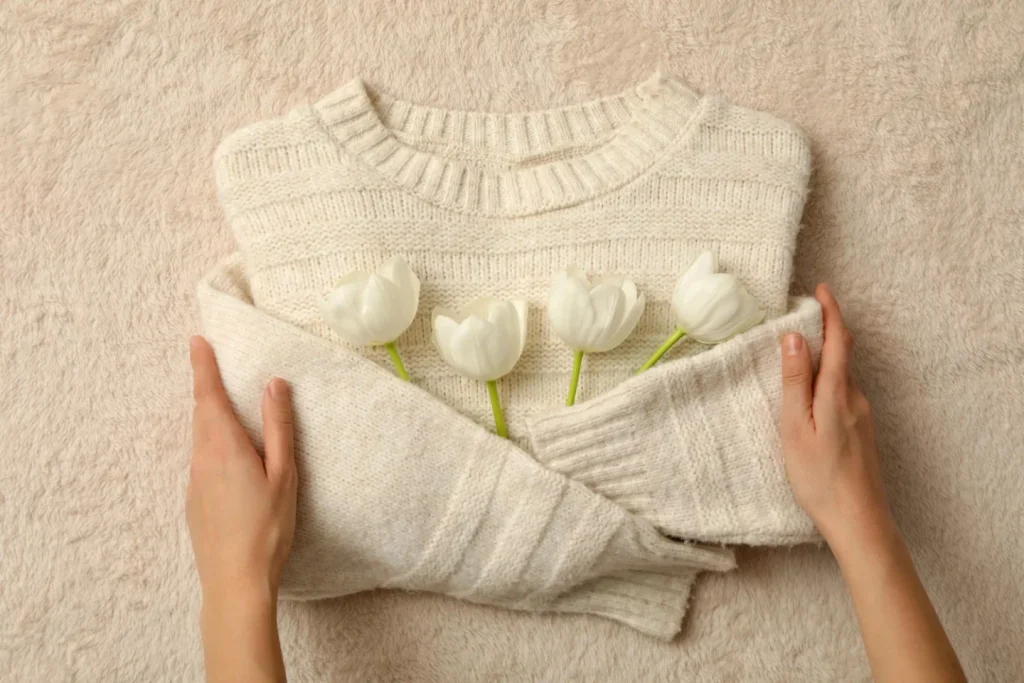
Organic cotton is cultivated using sustainable farming methods that avoid synthetic pesticides, chemical fertilizers, or genetically modified seeds. Farmers follow the practices of natural crop rotation, compost-based fertilizers, and biological pest control methods to keep soil healthier while preventing chemical residues from entering the final fabric, ensuring a cleaner production process for a soft and safe final product for wearers.
Certifications to Look For
When shopping for organic clothing, find the following 2 widely recognized certifications.
- Global Organic Textile Standard: Ensures organic fibers are used and restricts harmful chemicals throughout the entire manufacturing process.
- OEKO-TEX: Tests fabrics for harmful substances to confirm they are safe for human skin.
Clothing with these certifications offers greater assurance that the product truly meets organic and safety standards.
Key Benefits of Organic Clothing for Sensitive Skin
Changing clothing to organic fabrics can provide multiple health and comfort benefits for families dealing with skin sensitivity, as follows.
1.Free From Harsh Chemicals
Organic clothing avoids many chemical treatments commonly found in traditional textiles. They don’t contain pesticide residues, synthetic dyes, or finishing chemicals, resulting in fabric that is much less likely to trigger irritation. This cleaner production process makes organic clothing especially beneficial for individuals with allergies or skin conditions.
2.Softer, More Breathable Fabrics
Organic fibers are often less processed, which helps preserve their natural softness. Organic cotton has longer, smoother fibers that feel gentler on the skin. These fabrics are also more breathable, allowing better air circulation and reducing heat buildup that can worsen skin irritation.
3.Ideal for Babies and Children
Babies have extremely delicate skin that absorbs moisture and environmental substances more easily than adult skin. This is why pediatricians often recommend natural fabrics for infant clothing. Organic baby clothing helps minimize exposure to potentially irritating substances.
4.Supports Skin Conditions Like Eczema
Individuals living with Eczema or similar skin conditions often experience flare-ups triggered by rough fabrics or chemical residues. Organic cotton clothing provides a softer, more breathable environment that reduces friction and irritation, helping support better skin comfort throughout the day.
The Bigger Picture: Health and Sustainability
Organic clothing offers not only personal comfort but also a healthier home environment and a more sustainable planet.
Reduces Chemical Exposure at Home
Organic clothing helps reduce the traditional health-risk exposure, creating a safer space for families, especially households with young children. Most garments carry traces of agricultural and textile chemicals which enters home environment later. But organic garments being free from such risk ensure a comfy wearing with safety.
Environmental Benefits
Organic textile production also has a significantly lower environmental impact. Its benefits extend to reduced water contamination from chemical runoff, improved soil health through farming practices, lower energy consumption, safer working conditions, etc.
How to Choose Genuine Organic Clothing?
As organic fashion grows in popularity, some brands may use misleading marketing terms. Understanding how to identify authentic products helps ensure you receive the benefits you expect.
Read Labels Carefully
Check clothing tags and product descriptions, etc., through the clothing product photography. A genuine organic clothing product supplier will show verified certifications, such as the Global Organic Textile Standard, clear information about the fiber content, such as 100% organic cotton, certified organic fibers, or non-toxic dyes, etc for information clarification.
Avoid Misleading Terms
Some labels use phrases that sound eco-friendly but do not guarantee organic standards, for example, natural fabric, green cotton, eco-friendly blend, etc. Be aware that these terms may still include chemically treated materials. Check the certification for the authenticity indicator.
Recommended Organic Clothing Brand for Families
Several brands specialize in comfortable, certified organic clothing designed for sensitive skin. One brand that reflects the values of organic comfort and sustainability is Loom & Sprout, which produces clothing using 100% GOTS-certified organic cotton, grown without harmful pesticides or synthetic fertilizers, making the fabrics gentler on sensitive skin.
With a focus on responsible production, Loom & Sprout uses low-impact processes, renewable energy, and plastic-free packaging. By combining certified organic materials with transparent practices, the brand provides families with comfortable clothing that supports both skin health and environmental sustainability.
Final Thoughts: A Simple Switch With Lasting Benefits
Clothing is more than a basic need now, a fashion, an everyday comfort, and an essential part of daily life. For users with sensitive skin, the type of fabric used can make a meaningful difference in comfort and overall skin health. Organic clothing provides bountiful benefits, including a risk-free wearing solution that sustains. For modern families prioritizing health, comfort, and sustainability, organic clothing is not just a trend; it’s a smarter choice.