Are you trying to decide if a Helly Hansen jacket is actually worth the investment for the upcoming winter season? It is a question that arises frequently among those moving from fashion-focused brands to technical outerwear. Unlike many heritage brands that have pivoted entirely toward lifestyle aesthetics, this Norwegian staple maintains a dual identity. They produce gear for North Sea sailors and mountain rescue teams while simultaneously occupying shelf space in high-end urban boutiques. The challenge for the consumer lies in deciphering their dense catalog of proprietary technologies—LIFA, Helly Tech, H2Flow—to determine which specific model aligns with their local climate and activity level.
Choosing the best winter jacket Helly Hansen offers requires looking past the iconic HH logo and into the construction of the garment itself. The brand categorizes its gear based on protection levels, ranging from ‘Protection’ for daily use to ‘Professional’ for extreme environments. If you live in a damp, maritime climate like Seattle or London, your needs differ vastly from someone facing the dry, sub-zero winds of Chicago or Montreal. This analysis explores the technical nuances of their current lineup to help you navigate these trade-offs without falling for marketing jargon.
The Science of Warmth: Understanding Helly Tech and LIFA Insulation
At the core of every Helly Hansen jacket is a proprietary membrane system known as Helly Tech. This isn’t a single material but a tiered hierarchy of waterproof and breathable barriers. The ‘Professional’ tier usually features a 3-layer construction capable of withstanding over 20,000mm of water pressure, while the ‘Performance’ and ‘Protection’ tiers offer slightly lower but still respectable ratings for standard winter conditions. What sets these apart from generic polyester shells is the microporous structure that allows sweat vapor to escape while preventing liquid water from entering. For the deep researcher, this balance of moisture management is the primary metric for comfort during high-output activities like hiking or skiing.
Beyond the shell, the insulation technology is where the brand shows its innovation. They frequently utilize Primaloft, a synthetic alternative to down that maintains its loft and thermal properties even when damp. However, their internal LIFA technology is the real differentiator. Originally developed for base layers, LIFA is a hydrophobic fiber that moves moisture away from the skin. When integrated into winter jackets, it helps regulate temperature by preventing that ‘clammy’ feeling that often occurs when you transition from a cold street into a heated subway car. It is a subtle detail—one you might not notice until you wear a cheaper jacket and realize how much better the Helly Hansen manages your microclimate.
The H2Flow system is another mechanical cooling feature found in their higher-end parkas and ski jackets. It uses air pockets and ventilation zippers to trap heat when you are stationary and release it the moment you start moving. This creates a dynamic insulation profile. You aren’t just wearing a static bag of feathers; you are wearing a piece of thermal engineering that adjusts to your exertion levels. While some might find the extra zippers and internal mesh panels unnecessary, they are essential for anyone who fluctuates between active movement and standing still in the cold.
Urban Performance: The Best Helly Hansen Parkas for Daily Commuting
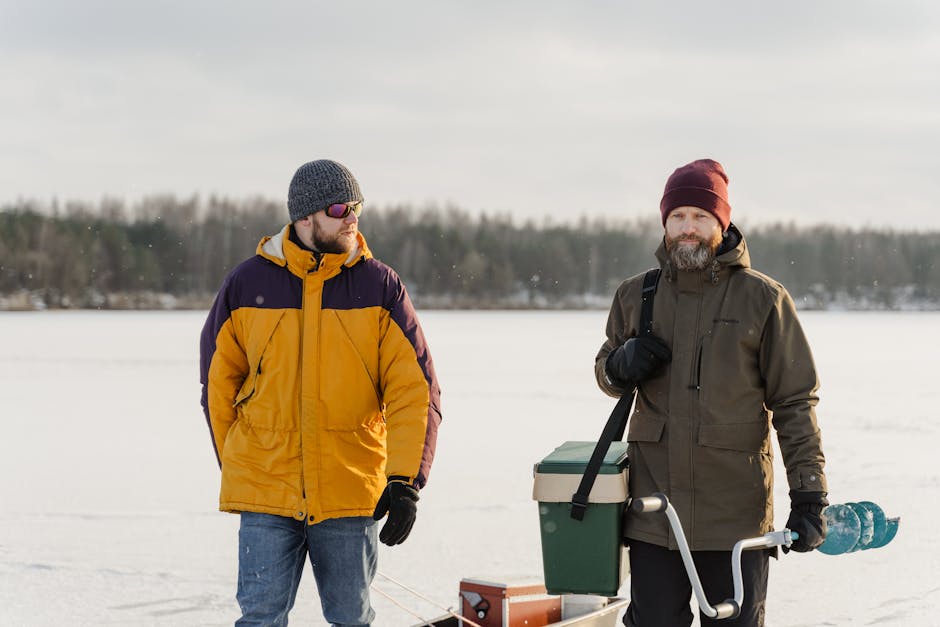
For most people, the ‘best’ jacket is the one that looks professional enough for the office but performs well enough for a weekend blizzard. The Reine Parka (approx. $450) has become a staple in this category. It utilizes Helly Tech Protection and is stuffed with Primaloft insulation. The aesthetic is clean, mimicking a traditional military parka but with modern technical fabrics. One significant pro is the weight; despite its length, it doesn’t feel like a lead weight on your shoulders. However, a common con is the hood design—it is exceptionally large, designed to accommodate a hat or helmet, which can obscure peripheral vision if not adjusted correctly with the rear cinch.
If you prefer a more rugged, nautical look, the Coastal 2 Parka (approx. $350) is the go-to recommendation. It feels slightly heavier and more durable than the Reine, using a canvas-like face fabric that resists abrasions from backpack straps or crowded commutes. It is rated for moderate to heavy cold, though it lacks the sophisticated H2Flow venting of the more expensive models. This makes it a ‘set it and forget it’ jacket. You put it on, you stay warm, but you might need to unzip it if you’re walking briskly for more than twenty minutes. It is a reliable workhorse for the price point, though it lacks the high-fashion silhouette of some competitors.
| Model | Insulation Type | Best Use | Approx. Price |
|---|---|---|---|
| Reine Parka | Primaloft Rise | Urban Commute | $450 |
| Coastal 2 | Primaloft Black | Daily Wear | $350 |
| Tromsoe Jacket | High-loft Synthetic | Extreme Urban Cold | $400 |
The Tromsoe Jacket (approx. $400) is the outlier in the urban lineup. It is specifically designed for places where the temperature regularly drops below zero but the wind is the real enemy. It features a regulated ‘baffle’ system that traps air more effectively than the flat-panel construction of the Coastal 2. The main drawback here is the lack of fully taped seams; while the fabric is waterproof, the jacket is technically ‘water-resistant’ because not every single stitch is sealed. This is a deliberate trade-off to increase breathability in dry, freezing climates. If you live in a rainy city like Vancouver, the Reine is a better choice. If you are in Minneapolis, the Tromsoe wins.
Extreme Environments: Arctic Patrol and Expedition-Grade Outerwear
When the conversation shifts to survival rather than just comfort, we enter the territory of the Arctic Patrol series. These are the jackets developed in collaboration with scientists and explorers working in the high north. The Arctic Patrol Modular Parka (approx. $1,500) is perhaps the most over-engineered piece of clothing on the market. It is a three-layer system: a stretchy insulator jacket, a heavy-duty waterproof shell, and a massive outer parka with 200g of Primaloft. You can wear them individually or stack them. The sheer utility is unmatched, featuring multiple D-rings for gear, Life Pockets to keep your phone battery from dying in the cold, and reflective hits that are visible from miles away.
But—and this is a significant ‘but’—most people do not need a $1,500 modular system. For those who want that level of warmth without the expedition price tag, the standard Patrol Parka (approx. $600) is the logical alternative. It is a singular, heavy-duty unit that feels indestructible. The face fabric is high-denier nylon, meaning you can brush against frozen branches or brick walls without fear of tearing the shell. The downside is bulk. This is not a jacket you can easily pack into a suitcase or stuff under a restaurant seat. It demands space. It is a commitment to staying warm at the expense of agility.
The technical specs of the Arctic line often include ‘Life Pocket+’ technology. This is a specialized insulation pocket that is two times warmer than a regular pocket. In testing, it has been shown to keep mobile devices functional for hours longer in sub-zero temperatures. For anyone who relies on their phone for navigation or safety in the backcountry, this feature alone can justify the brand’s premium. It’s these small, data-driven additions that separate Helly Hansen from ‘lifestyle’ winter brands that focus only on the fur trim and the outer silhouette.
Mountain Versatility: Selecting the Best Helly Hansen Ski Jackets
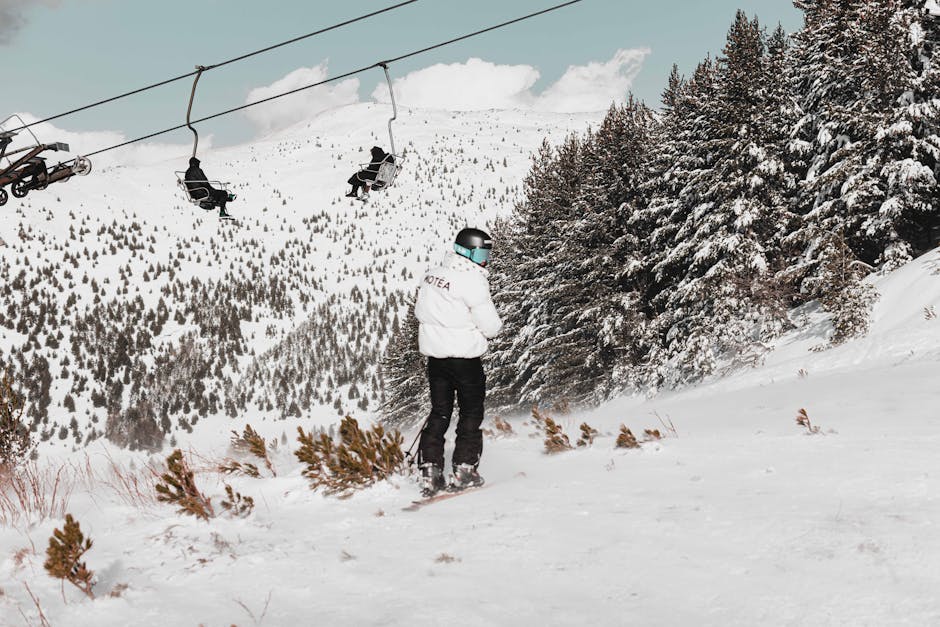
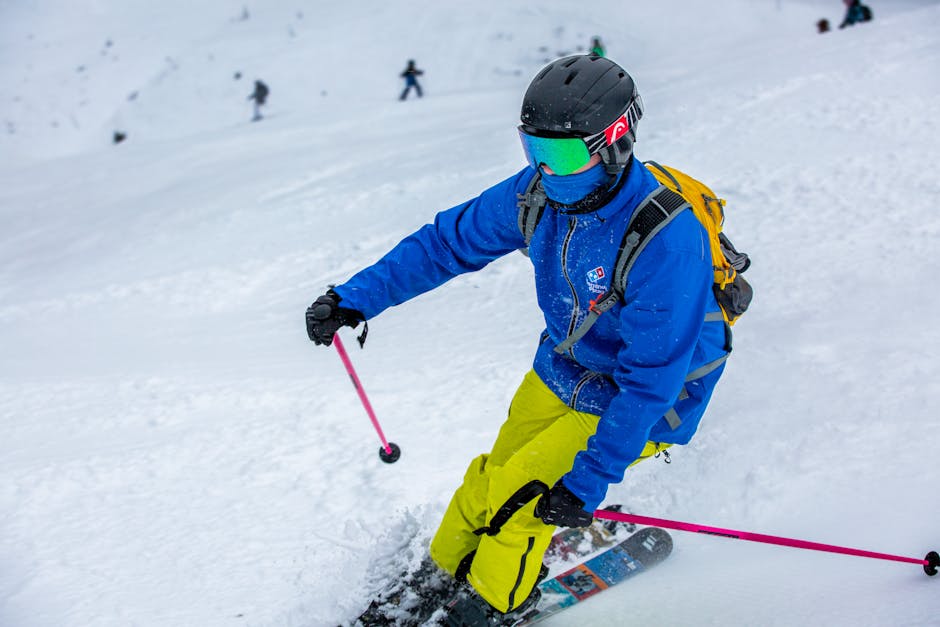
Skiing introduces a different set of variables: wind chill from speed, internal heat from exertion, and the need for a wide range of motion. The Alpha 3.0 Jacket (approx. $475) is widely considered the gold standard for resort skiing. It uses Helly Tech Professional 4-way stretch fabric, which means the jacket moves with your torso as you turn. This is a critical distinction from stiff urban parkas. The Alpha 3.0 also features the H2Flow system, allowing you to dump heat instantly after a strenuous run. A notable con is the fit; it is a ‘slim’ athletic cut. If you prefer a baggy, freeride look or need to layer a very thick fleece underneath, you may find it restrictive across the chest.
For women, the Powderqueen Jacket (approx. $450) offers a similar level of technical prowess but with a silhouette tailored for female ergonomics. It features a higher collar to protect the face from wind and a powder skirt that integrates seamlessly with Helly Hansen ski pants. Like the Alpha, it includes the Life Pocket. The primary trade-off with the Powderqueen is that it is a ‘shell-plus’ design, meaning it has light insulation. On the coldest days in the Rockies, you will still need a dedicated mid-layer. It isn’t a ‘one-and-done’ parka; it is a component of a layering system.
- Alpha 3.0: Best for high-speed groomers and cold lift rides. High breathability.
- Powderqueen: Excellent for off-piste and deep snow. Durable shell.
- Garibaldi 2.0: A relaxed fit for freeriders who want more room for movement.
- Verbier Infinity: Uses the new LIFA Infinity technology for chemical-free waterproofing.
The recent introduction of LIFA Infinity Pro technology in the ski line is a significant shift in the industry. Traditional waterproof jackets rely on DWR (Durable Water Repellent) coatings that eventually wash off and need to be reapplied. LIFA Infinity Pro is a permanent water-repellent technology that doesn’t use chemicals. It is inherently hydrophobic. This means the jacket will never ‘wet out’ even after years of use. While these jackets (like the Elevation Infinity 2.0) carry a higher price tag—often north of $750—the longevity and environmental benefits make them the superior choice for the environmentally conscious researcher.
Technical Maintenance: How to Preserve Waterproofing and Breathability
Buying the best winter jacket Helly Hansen makes is only half the battle; the other half is maintaining the membrane. A common mistake is washing these jackets with standard laundry detergents. The surfactants in regular soap are designed to attract water, which is the exact opposite of what you want for a waterproof shell. If you use Tide or Gain on a Helly Tech jacket, you may find that the outer fabric starts soaking up water rather than beading it off. This is called ‘wetting out,’ and while the internal membrane might still keep you dry, the jacket becomes heavy, cold, and loses its breathability.
- Use a Tech Wash: Always use a specialized cleaner like Nikwax Tech Wash or Granger’s. These clean the dirt without damaging the DWR.
- Close All Zippers: Before washing, zip everything up and close all velcro tabs. This prevents the hardware from snagging or tearing the delicate internal membrane.
- Tumble Dry on Low: For most Helly Hansen jackets, a short stint in the dryer on low heat is actually beneficial. The heat helps ‘reactivate’ the DWR coating on the surface. Check the care label first, as some LIFA Infinity products have different requirements.
- Avoid Fabric Softeners: These are the enemy of technical apparel. They coat the fibers in a waxy residue that clogs the pores of the membrane, effectively killing the jacket’s breathability.
If you notice that water is no longer beading on the surface after a wash and dry, it is time to re-apply a DWR spray. This is a normal part of the jacket’s lifecycle. Even the most expensive jackets require this maintenance every season or two, depending on how often you wear them. By taking these steps, a Helly Hansen parka can easily last a decade, making the initial high cost much more palatable when viewed as a long-term investment in your comfort and safety. The durability of their zippers and seam tapes is notably higher than budget brands, which is often where the ‘real’ value lies—in the things that don’t break when you’re three miles from the nearest heater.
Ultimately, the best Helly Hansen winter jacket is the one that respects the reality of your environment. Do not buy an Arctic Patrol parka for a rainy London winter; you will be miserable and overheated. Similarly, do not expect a lightweight Alpha 3.0 to keep you warm while standing still at a bus stop in a Winnipeg January without significant layering. Match the ‘Helly Tech’ level to your moisture exposure and the insulation weight to your activity level. When these factors align, the brand’s reputation for excellence is fully realized.