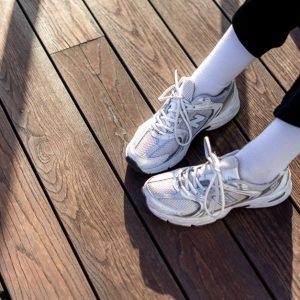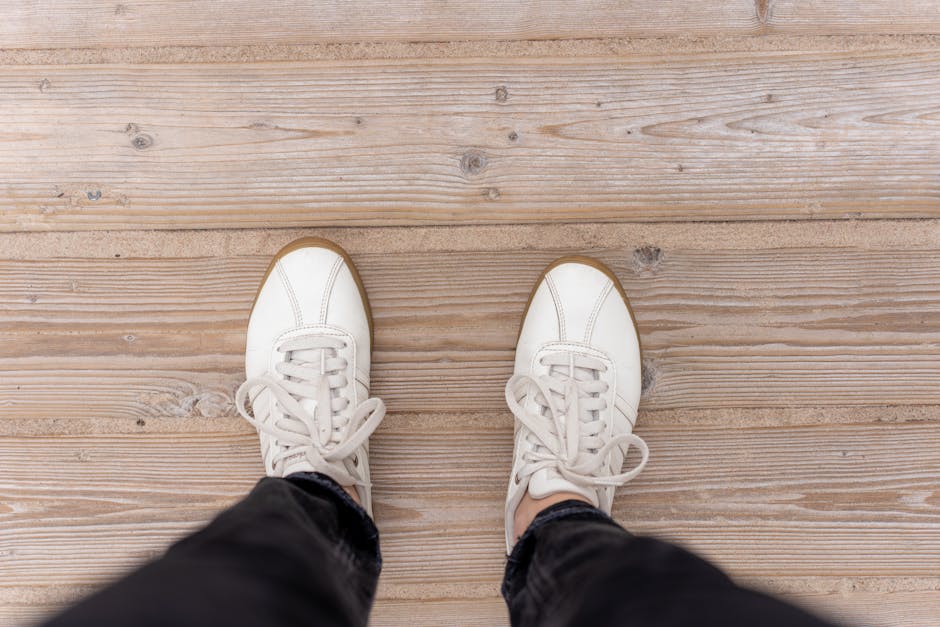
If you want the short answer, buy the Multi-Piece Leather Sneakers. They are the only pair in the current catalog that balances silhouette, material quality, and price without feeling like a disposable prop. Most people overcomplicate buying from Zara. They treat it like a heritage brand. It isn’t. You are buying a look, usually a look pioneered by a brand charging ten times more. If you go in with that mindset, you won’t be disappointed. If you expect these to be your primary marathon trainers, you’re going to end up at the podiatrist. Stick to the leather options for longevity and the technical fabrics for occasional style hits.
Are Zara sneakers actually worth the money for daily wear?
Look, if you are expecting high-end Italian craftsmanship for seventy bucks, you are delusional. Zara sneakers occupy a specific niche: they provide the aesthetic of high-fashion houses like Balenciaga, Common Projects, or Salomon at a fraction of the cost. But cost-cutting happens somewhere. Usually, it’s in the midsole and the lining. While a pair of $500 designers might have a stacked leather insole and a durable Margom rubber sole, Zara often uses vulcanized rubber or EVA blends that lose their bounce after four months of heavy pavement pounding.
That said, they are absolutely worth it if you are testing a trend. Not sure if you can pull off the oversized “Dad shoe” look? Don’t drop $900 on Triple S trainers. Spend $69 at Zara. If you hate them after two weeks, you aren’t out a car payment. For daily wear, the leather-upper models are the only ones that hold their shape. The synthetic polyurethane (PU) options look great on the shelf but develop permanent, ugly creases across the toe box within three days. If you’re wearing them twice a week to the office or out to dinner, they’ll last a year. If you’re a delivery driver walking ten miles a day, they’ll be dead in six weeks. It’s basic math.
The value proposition improves significantly when you look at their “Studio” or “Limited Edition” collections. These often feature genuine cowhide leather and better internal stitching. They cost about $20 more than the base models, but the lifespan doubles. Always check the “Composition” tab on the product page. If it says 100% polyurethane, keep walking unless you only need them for a single weekend event. If it says 80% cow leather or more, you’ve found the sweet spot of the Zara catalog.
Best Zara minimalist sneakers for a professional office look
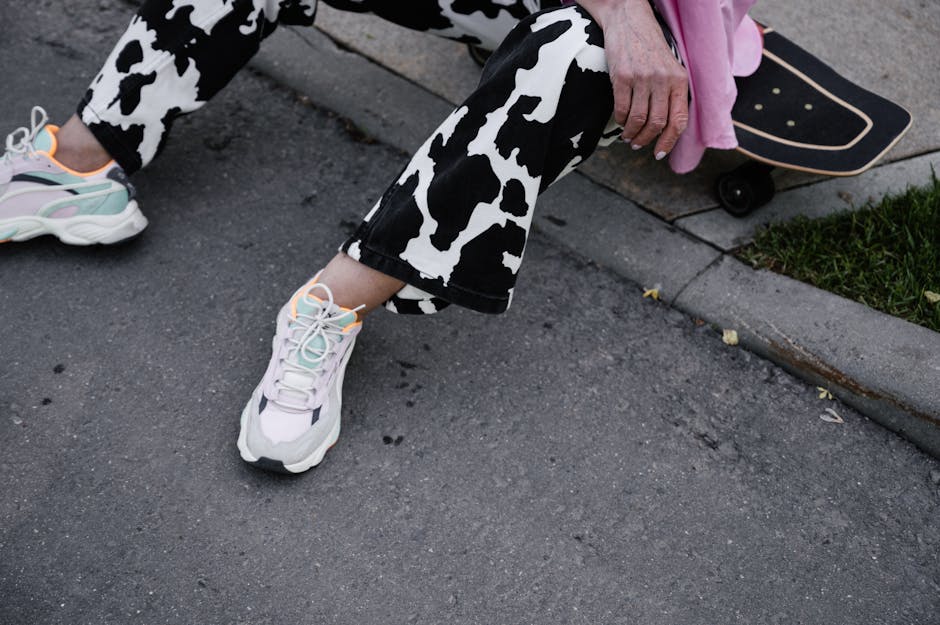
The minimalist white sneaker is the uniform of the modern office. Zara’s Leather Tennis Sneakers (Ref: 2212/120) are the standout here. They are priced around $89.90. They feature a clean, low-profile silhouette that mimics the aesthetic of the Achilles Low. No loud branding. No unnecessary stitching. Just a flat sole and a leather upper. They work with chinos, they work with tech-pants, and they can even pass with a slim-fit navy suit if the environment isn’t too stiff.
Key Specs for Minimalist Models
- Approximate Price: $79.90 – $99.90
- Pros: Genuine leather options, versatile silhouette, very easy to clean.
- Cons: Very thin insoles provide almost zero arch support; the heel counter is stiff and requires a break-in period.
If you want something slightly more modern, look at the Monochrome Real Leather Sneakers. These usually come in black, navy, or sand. The secret to making these look expensive is the lack of contrast. When the sole matches the upper exactly, the eye doesn’t catch the minor imperfections in the bonded leather. It creates a streamlined look that hides the fact that you didn’t spend $400. Avoid the versions with the high-contrast white soles if you’re trying to look professional; they lean too far into the “suburban mall” category. Stick to tonal colors. Also, swap the stock polyester laces for waxed cotton ones immediately. It’s a $5 upgrade that makes the whole shoe look three times more expensive.
The top Zara chunky sneakers for the modern streetwear aesthetic
The chunky sneaker trend isn’t dying; it’s just evolving. Zara’s Multi-Piece Sneakers (Ref: 2202/320) are the current kings of this category. Priced at approximately $69.90, they use a mix of split suede, mesh, and synthetic overlays. This is where Zara excels. They know how to layer colors—greys, creams, and olives—to create a shoe that looks complex and high-end. The “Vibram-style” thick soles give you about two inches of height, which is a nice bonus for the vertically challenged among us.
Performance Breakdown
| Model Type | Best For | Material Quality | Comfort Level |
|---|---|---|---|
| Multi-Piece Chunky | Streetwear / Casual | Mixed (Suede/Mesh) | Moderate (Heavy) |
| Technical Mesh | Summer / Travel | High Synthetic | |
| Retro Runner | Vintage Style | Faux Suede | Low (Flat) |
The downside to these chunky models is weight. They are heavy. If you’re walking through an airport, you’ll feel the drag by Terminal C. The “Track” series is another heavy hitter, featuring aggressive outsoles that look like they belong on a mountain trail but are actually designed for the sidewalk. These are polarizing. You either love the “clunky” look or you think they look like orthopedic shoes from the future. One warning: the mesh on these models is a magnet for dirt. Unlike the leather minimalist shoes, once these get stained, they stay stained. Don’t wear them to a muddy festival unless you consider them disposable.
Zara technical sneakers vs. athletic brands: Can you actually workout in them?
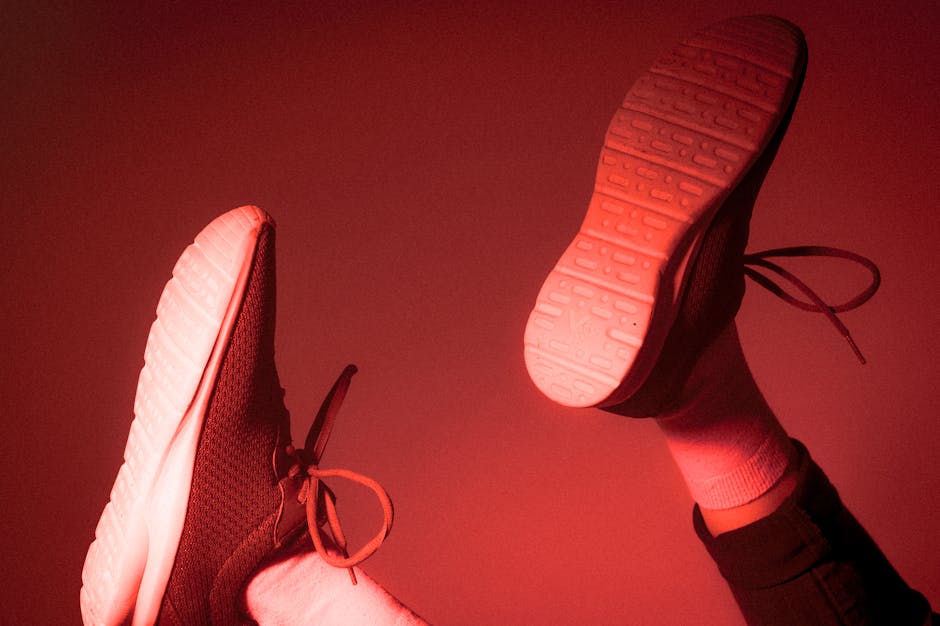
Short answer: No. Long answer: Only if your workout consists of standing near a squat rack and taking a selfie. Zara’s Technical Sneakers (Ref: 2206/220) look like they belong in a high-performance gym. They have the heat-sealed seams, the toggle laces, and the knitted uppers that you see on Nike or On Running models. But the engineering isn’t there. Athletic brands spend millions on gait analysis and energy return. Zara spends their money on making sure the shoe looks good under bright retail lights.
The midsole on Zara technical shoes is usually a basic injected EVA. It feels soft for the first twenty minutes, then it compresses and stays compressed. If you try to run a 5k in these, you are asking for shin splints. However, for a “commuter” shoe—something you wear to walk to the office before changing into dress shoes—they are fantastic. They are incredibly lightweight, often weighing less than a pound for the pair. They are also highly breathable, making them a solid choice for summer city trips where you’re doing a lot of light walking but want to stay cool.
The “Sport” label on Zara shoes is a style designation, not a performance guarantee. Treat them as lifestyle sneakers that happen to look like gym gear.
If you insist on using them for activity, stick to low-impact movements. Weightlifting is okay because the soles are relatively flat and stable. But for anything involving jumping, lateral movement, or distance running, go buy actual New Balance or Brooks. Your knees will thank you in five years. The price difference is usually only $40, which is cheaper than a single physical therapy session.
How to choose the right size in Zara men’s footwear
Zara sizing is a nightmare if you don’t know the rules. They use European sizing (40-45 typically), and they do not offer half sizes. This is the biggest hurdle for most men. If you are a US 10.5, you are essentially stuck. A 44 might be too loose, and a 43 will crush your toes. Because Zara shoes are often built on narrow European lasts, they tend to run small and slim. If you have wide feet, you almost certainly need to size up and use an aftermarket insole to take up the extra length.
The material also dictates how you should size. Leather sneakers will stretch slightly—maybe 5% over a month of wear. Synthetic sneakers will stretch exactly zero percent. If a synthetic shoe feels tight in the store, it will feel tight until the day you throw it in the trash. Never buy a synthetic Zara shoe hoping to “break it in.” It won’t happen. The material will crack before it conforms to your foot shape.
Pro-tip for sizing: Go to the store in the afternoon. Your feet swell throughout the day. If the shoe fits at 4:00 PM, it’s the right size. If you’re buying online, measure your foot in centimeters and compare it to their size chart, but always lean toward the larger size if you’re between numbers. You can always add a $10 Dr. Scholl’s insole to fix a slightly large shoe, but you can’t fix a shoe that’s too small without cutting your toes off.
Durability secrets: How to make your Zara sneakers last longer
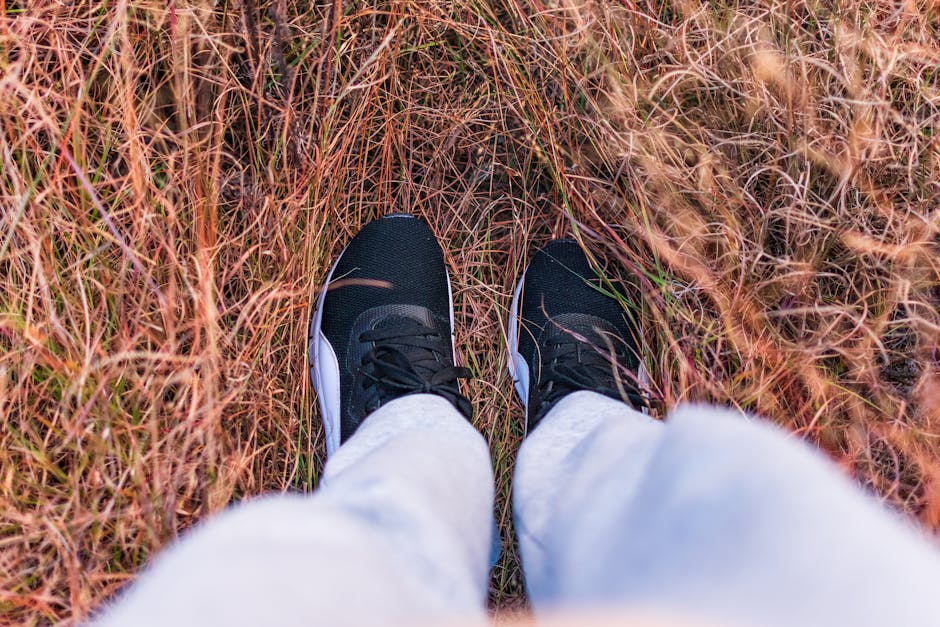
The reason people think Zara shoes are “trash” is that they treat them like $200 boots. You have to be proactive. The first thing you should do is apply a water and stain repellent spray. Because the materials (even the real leather) are often thinner than premium brands, they absorb liquids faster. A quick spray of Jason Markk or Crep Protect creates a barrier that keeps the cheap dyes from running and the mesh from soaking up coffee spills.
Rotation is the second secret. Do not wear the same pair of Zara sneakers two days in a row. The moisture from your feet seeps into the synthetic liners and the foam midsoles. Because these shoes use cheaper materials, they take longer to dry out and regain their structural integrity. If you wear them every day, the foam will collapse in a month. If you give them 24 hours to breathe between wears, you can easily get six to eight months of heavy use out of them. It sounds counter-intuitive to buy two pairs to make one last, but that’s the reality of fast-fashion footwear.
Finally, stop using the washing machine. I see guys throwing their mesh Zara sneakers in the wash on a “delicate” cycle. The heat and the agitation will melt the glue holding the sole to the upper. Zara uses heat-activated adhesives that are not designed for the 1200-RPM spin cycle. Use a damp cloth, some mild soap, and a soft-bristled brush. It takes five minutes and extends the life of the shoe by months. If the insoles start to smell (and they will, because the liners aren’t very breathable), pull them out and replace them with cedar inserts or just buy new charcoal insoles. Don’t drown the shoe in water.
Zara sneakers vs. designer brands: A price and quality comparison
Is there a real difference between a $60 Zara sneaker and a $400 designer equivalent? Yes, but it’s diminishing. Ten years ago, the gap was massive. Today, many designer brands have moved production to the same regions where Zara operates, using similar automated processes. The difference now lies in the “Lasting” (the shape of the shoe) and the density of the foam. Designer shoes usually feel “solid”—they have weight and the materials feel thick. Zara shoes feel “hollow.” If you tap the side of a Zara sole, it sounds like plastic. If you tap a designer sole, it sounds like dense rubber.
However, from six feet away, nobody can tell. In the world of men’s fashion, silhouettes change so fast that spending $500 on a specific “look” is often a bad investment. If you want a classic white sneaker that you’ll wear for five years, buy the expensive version (like Koio or Oliver Cabell). The cost-per-wear will be lower. But if you want a pair of neon-green trekking sneakers to wear with a specific outfit this summer, buy the Zara version. You’ll get 90% of the style for 15% of the price.
The sweet spot for Zara is their Leather Collection. At the $90 price point, they are actually competitive with brands like Steve Madden or ALDO, and they usually have much better design taste. Zara’s designers are experts at stripping away the “tacky” elements that plague other mid-market brands. They keep it clean, they keep it modern, and they keep it affordable. Just don’t expect them to become family heirlooms. They are tools for a specific job: looking good right now.
Summary Comparison
- Zara Leather Models ($89): Good for offices, dates, and semi-formal events. Best longevity.
- Zara Multi-Piece/Chunky ($69): Best for streetwear trends and weekend wear. High style, high weight.
- Zara Technical/Mesh ($59): Best for travel and summer heat. Low durability, very comfortable for short bursts.
- The Verdict: Stick to the leather. Avoid the 100% synthetic “plastic” shoes unless you only need them for a week.