Seventy percent of women in the US wear a size 14 or larger. Yet most fashion brands still design samples on a size 2 and grade up by adding 2 inches at each increment. The result? Clothes that fit no one well. Inclusive sizing isn’t a trend — it’s a correction of a broken system. Here’s what’s actually changing and how to navigate it.
The Real Cost of Limited Sizing
When a brand only carries sizes 0–12, it’s not just excluding customers. It’s making a statement: we didn’t design for you. That message costs brands billions. The plus-size market alone is worth $24 billion in the US, and it’s growing faster than straight-size apparel.
But the damage goes deeper. Women in larger bodies spend 20–40% more time shopping because they have to hunt across brands, check size charts obsessively, and return ill-fitting items. That’s not a shopping experience. That’s a second job.
Universal Standard was one of the first to address this head-on. Their size range goes from 00 to 40. Every style is designed on a size 18 and graded both up and down — the opposite of the industry norm. The fit is consistent across the entire range because the proportions are engineered for each size, not stretched from a single sample.
What Inclusive Sizing Actually Means (Beyond the Label)
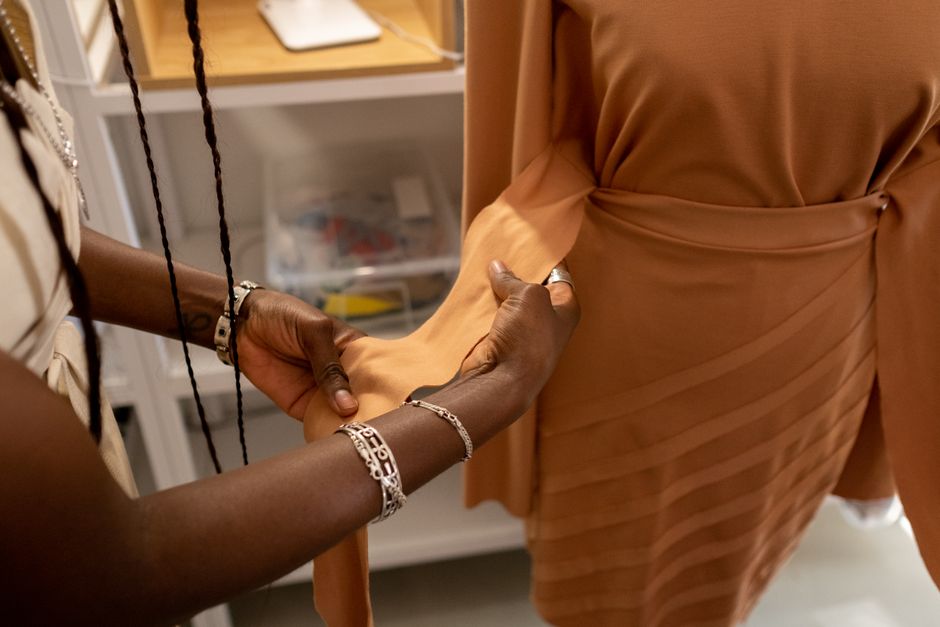
Inclusive sizing isn’t just adding a few larger sizes to an existing line. That approach fails because the grading math doesn’t translate. A dress graded from a size 2 to a size 20 will have armholes that choke, a bust that gapes, and a waist that sits at the wrong spot.
Real inclusive sizing requires:
- Separate grading curves for different body shapes (pear, apple, hourglass, rectangle)
- Fit models at multiple sizes, not just one sample size
- Proportional adjustments — a size 22 needs a different shoulder-to-waist ratio than a size 6
- Extended size charts with actual garment measurements, not vanity sizing numbers
Nike got this right with their Plus Size collection. They used 3D body scans of over 60,000 women to build their size blocks. The leggings don’t roll down at the waist. The sports bras actually contain. That’s because the data came from real bodies, not a design studio assumption.
Brands Doing It Right (and One That Isn’t)
| Brand | Size Range | What They Do Differently | Price (Jeans) |
|---|---|---|---|
| Universal Standard | 00–40 | Designed on size 18, graded both ways; Fit Liberty program lets you swap sizes for a year | $98 |
| Old Navy | 0–30 (selected styles) | Uses real customer fit data to adjust patterns; affordable entry point for extended sizing | $40 |
| ASOS | 0–28 (ASOS Curve) | Separate design team for Curve line; models shown at every size on product pages | $55 |
| Madewell | 23–37 (jeans) | Offers Tall and Petite within extended sizes; uses a fit finder quiz based on measurements | $128 |
| Gap | 0–20 | Gap Body has better stretch retention in larger sizes; denim still inconsistent above size 16 | $70 |
One brand to skip for now: Abercrombie & Fitch. They launched a “curve love” line that goes up to size 37, but the quality drops sharply after size 18. The fabric is thinner, the stitching pulls, and the rise is shorter. The sizing is inclusive on paper but not in practice.
How to Shop for Inclusive Sizing Without Wasting Money
Here’s a process that cuts returns by half:
Step 1: Ignore the tag number. Vanity sizing means a size 14 at one brand is a size 20 at another. Instead, measure your bust, waist, and hips. Write down the numbers in inches. Do not rely on “size chart matches your measurements” — those charts are often aspirational.
Step 2: Find the garment measurements. Most brands hide them. Email customer service if needed. For pants, you need waist (relaxed and stretched), hip (at the widest point 8 inches below waist), and inseam. For tops, shoulder width, bust (at full point), and length from shoulder to hem.
Step 3: Read reviews from people with your body shape. Not your size — your shape. A size 18 with a short torso and broad shoulders needs different reviews than a size 18 with a long torso and narrow shoulders. ASOS and Nordstrom let you filter reviews by size and body type. Use that.
Step 4: Buy two sizes and return one. This sounds wasteful, but it’s faster than ordering one, waiting for the return, and reordering. Brands with free returns (Universal Standard, ASOS, Nordstrom) make this painless.
When Inclusive Sizing Is a Marketing Gimmick
Not all extended sizing is good. Here are the red flags:
- “One size fits most” — This is a lie. It fits a narrow range of medium bodies and excludes everyone else.
- Only plus sizes in black or navy — If the fun prints and bright colors stop at size 12, the brand doesn’t believe larger bodies deserve style.
- No fit model above size 16 — The clothes were designed on a smaller body and stretched. They will fit poorly.
- No customer photos on larger models — If they’re proud of the fit, they’ll show it. If they hide it, there’s a reason.
One example: a well-known denim brand launched a “size inclusive” line with sizes up to 32. But the waistband gaped on sizes 20+, the back pockets were placed too high, and the rise was too short for anyone with a belly. The brand used the same pattern block from their straight-size line and just scaled it up. That’s not inclusive. That’s cheap.
The One Metric That Predicts a Brand’s Commitment
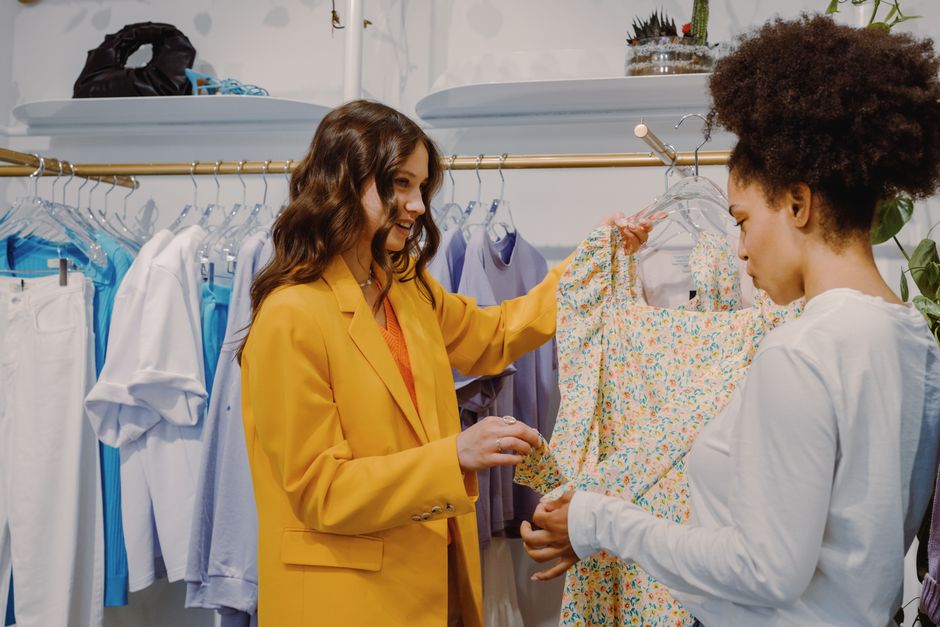
Look for this: do they show all sizes on models on the product page?
Brands that are serious about inclusive sizing photograph every style on at least three body sizes. ASOS does this consistently — you can see the same dress on a size 4, size 12, and size 20. Universal Standard goes further: they use models from size 10 to size 32, and you can filter by model size to see how the garment actually drapes on a body like yours.
Brands that hide larger sizes behind a separate tab or don’t show them at all are treating inclusive sizing as a checkbox, not a commitment. If they won’t show it, they didn’t design for it.
That’s the real test. Not the size range on the tag. Not the marketing campaign. The product page tells you everything.