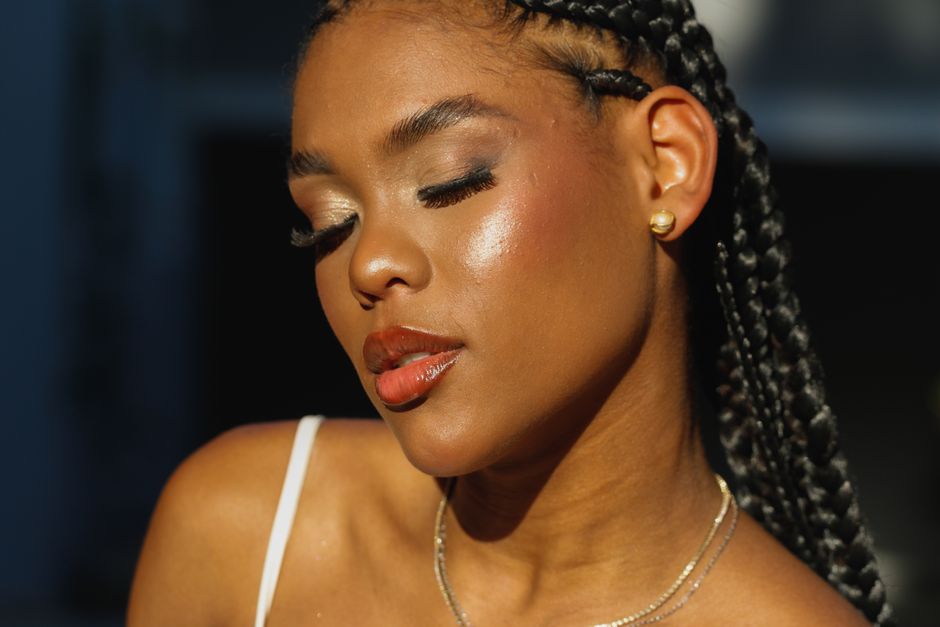
Most necklace tangles start before you put the jewelry on. The problem is usually a poor length gap, two chains with the same weight, or a clasp that sits in the wrong place. A layered look can stay neat through a full workday, but only when each chain has a clear job.
Why Layered Necklaces Tangle in the First Place
Necklace chains do not tangle at random. They tangle because friction, movement, and overlapping lengths push separate pieces into the same small area. When two chains sit at the same point on your chest, their links catch as your head turns, your coat collar moves, or your pendant swings. Fine chains create a second problem: they are light enough to move with every step, so they wrap around a heavier chain instead of staying in place.
Length gaps create visible lanes
Start with a gap of at least 2 inches between the main points of your necklaces. A 16-inch chain and an 18-inch chain can work, but the pendants may still collide if both sit at the same height. A 16-inch chain, an 20-inch chain, and a 24-inch pendant chain create clearer lanes. The exact gap matters less than the visual separation between the chains.
Weight matters more than matching color
A thin 0.8-millimeter cable chain behaves differently from a 2-millimeter curb chain. If the heavier piece hangs below a very delicate chain, it can pull the lighter chain toward the center of your neck. Pair one fine chain with one medium chain, then add a third chain only if the first two stay separate during movement. Three identical fine chains often look pretty in a mirror and become a knot in real life.
Pendants change the balance
A pendant adds a fixed point of weight, but it also increases swing. Keep large pendants on the longest chain. Put small charms or plain links on shorter chains. A round pendant that measures 15 millimeters across can share space with a slim bar, while a 30-millimeter medallion usually needs its own lane. The most reliable foundation is one plain chain, one small pendant, and one longer statement piece.
The Fastest Way to Build a Tangle-Free Stack
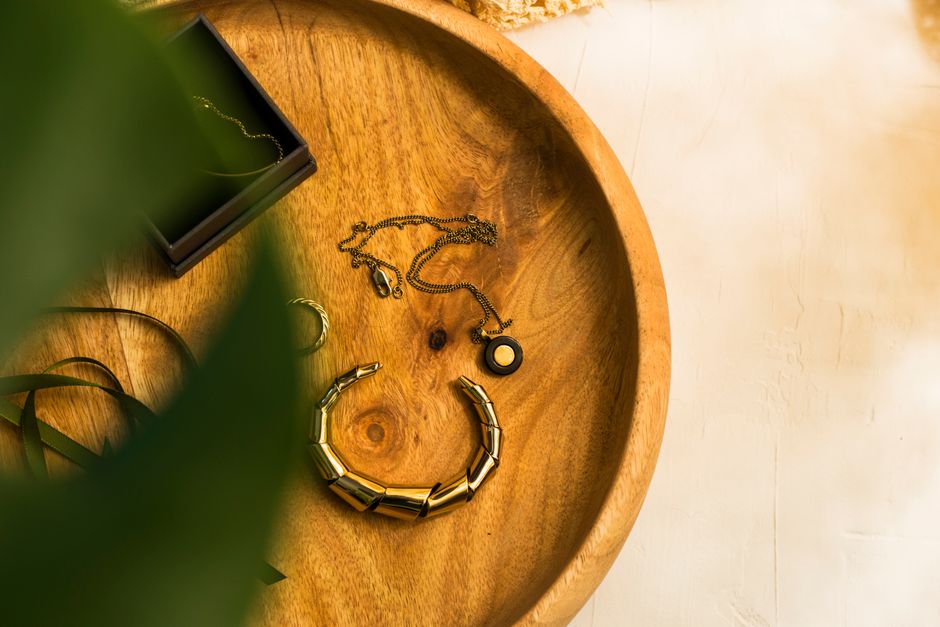
Use three different lengths and three different visual weights. Put the shortest chain at 16 inches, the second at 18 to 20 inches, and the longest at 22 to 24 inches; keep the smallest pendant closest to your collarbone and reserve the largest pendant for the lowest position. This setup works because the chains spread across the body instead of competing for one point, and it remains readable under an open shirt, a crew-neck sweater, or a winter coat.
Which Chain Combinations Stay Separate?
For a practical comparison, think about chain shape, thickness, and the amount of movement each piece creates. The table below uses common jewelry formats and real examples that illustrate the differences. Prices can change by metal weight and retailer, so treat them as approximate retail ranges rather than fixed promises.
| Layer role | Chain or example | Useful specification | Why it works |
|---|---|---|---|
| Short base | Catbird Sweet Nothing Chain | Delicate 16-inch style; usually about $128 in 14K gold | Light and close to the collarbone |
| Middle layer | Mejuri Box Chain | Common 18-inch length; roughly 1.5 to 2 millimeters wide | Square links add structure without a bulky pendant |
| Long layer | Missoma Flat Snake Chain | Often offered around 20 to 22 inches; usually about $150 to $250 depending on finish | Smooth surface reduces visible link-on-link catching |
| Statement option | Monica Vinader Riva Diamond Pendant | Use on a 22-inch or longer chain; pendant commonly about 15 to 20 millimeters | One clear focal point at the bottom |
Verdict: the most stable combination is a fine cable or station chain at 16 inches, a structured box chain at 18 inches, and a smooth snake or pendant chain at 22 inches. Avoid placing two tightly linked curb chains beside each other unless one is much longer.
How to Put on the Stack Without Creating a Knot

The order you use matters. Lay the chains flat before fastening them, then check the clasp positions before you lift the stack to your neck.
- Sort the necklaces by length. Place the shortest piece on the left and the longest on the right. Remove any chain with a twisted section before you begin.
- Check the clasp and extender. If an extender hangs at the front, it can catch on the next necklace. Move the extender to the back or remove it if the length remains comfortable.
- Fasten the longest chain first. Hold the clasp at the nape of your neck and let the pendant fall straight. This gives you a stable bottom layer.
- Add the middle chain. Keep one hand on the back of the first chain so the clasp does not slide around your neck while you fasten the second.
- Add the shortest chain last. Check that its pendant or center detail sits above the second chain rather than directly on top of it.
- Test movement before leaving. Turn your head, raise both arms, and put on the coat or shirt you plan to wear. If two chains cross the same point, change the length before adding another piece.
For travel, fasten each necklace around a drinking straw or slide the chain through a drinking straw before closing the clasp. Store each piece separately in a small zip pouch. A jewelry roll helps only when the chains have separate compartments; one shared pocket can create the same knot you were trying to avoid.
My Strongest Recommendation for Everyday Wear
Choose a two-layer stack for daily outfits and save three layers for controlled looks. Two chains give you enough depth to frame a neckline without creating a moving pile of metal. My everyday pick is a 16-inch fine chain with no pendant and an 18- or 20-inch chain carrying one small pendant. That pairing is easier to wear under a sweater, less likely to catch on a scarf, and quick to remove at night.
For a polished gold look, the Mejuri Box Chain works well as the middle layer because its squared links provide contrast against a round cable chain. The Catbird Sweet Nothing Chain is a better choice for someone who wants a barely visible base line, but it should not carry a heavy charm. The Missoma Flat Snake Chain is the clearest choice for a smooth, modern stack because its flat surface gives the eye a clean break between layers.
When a third necklace earns its place
Add a third chain when the neckline leaves enough open space and the lengths differ by at least 3 inches. A simple 16-inch chain, an 18-inch structured chain, and a 22-inch pendant chain can look balanced with a V-neck blouse or an open blazer. The same combination may feel crowded over a high crew neck. In that case, remove the middle chain instead of forcing all three pieces to compete.
When not to buy another chain
Do not buy a new necklace to fix a stack that tangles because of bad spacing. Test the pieces you already own with temporary jump rings, a longer extender, or a different clasp position. Also skip delicate chains if you wear thick scarves every day, sleep in your jewelry, or need a low-maintenance piece for travel. A sturdier 2-millimeter chain will serve you better than a fragile trend piece that needs constant untwisting.
Questions That Solve Common Layering Problems
Why do my necklaces tangle when they have different lengths?
Different lengths help, but they do not guarantee separation. A pendant may swing upward into the chain above it, and a lightweight necklace can slide toward the center as you move. Use a larger length gap, place the heaviest pendant lowest, and choose chain shapes with different textures. If the chains still cross, wear two instead of three.
Should all layered necklaces be the same shade of gold?
No. Matching gold tones create a clean finish, but mixing yellow gold with a small amount of white gold or vermeil can make each layer easier to see. Keep one metal tone dominant, then use the second tone as an accent. A yellow-gold base with a white-gold pendant usually looks more deliberate than three nearly identical yellow-gold chains with no contrast.
Are necklace separators worth buying?
A necklace separator can help if you wear several delicate chains and want one clasp at the back, but it does not solve every tangle. The separator adds weight and may pull the chains toward the same point. For a simple two-chain outfit, separate clasps are usually easier. For three fine chains, a separator is useful only when the chains have clearly different lengths.
What should I do if a chain knots during the day?
Do not pull both ends. Lay the knot on a flat surface, loosen it with the tip of a sewing needle, and add a tiny drop of mineral oil only if the metal finish allows it. Wipe the chain clean afterward. For valuable solid-gold jewelry, take the piece to a jeweler instead of forcing a tight knot and risking a stretched link.
The cleanest layered look in 2026 is not the one with the most necklaces. It is the stack where every chain has enough space to be seen, move freely, and come off without a fight.