Start With the Neckline, Not the Necklace
You have a dinner invitation, a clean blouse, and one dramatic necklace that looked perfect in the product photo. Then you put everything on. The pendant disappears under the collar, the chain crowds your throat, or the whole outfit looks busy. The problem usually is not the necklace. It is the relationship between the necklace and the neckline.
A statement necklace creates a visual center near your face. Your neckline creates the frame. When the two shapes compete, neither one looks intentional. When they echo each other, even a simple sweater can look styled.
Open necklines need a controlled focal point
V-necks, scoop necks, and square necks leave visible skin, so they can support a pendant or layered centerpiece. The necklace should sit inside the open area rather than cross the fabric at an unrelated angle. For a narrow V-neck, choose a pendant that follows the vertical line. For a broad scoop neck, a rounded bib or collar can repeat the curve.
High necklines need space or contrast
Turtlenecks and crew necks already occupy the area around your throat. A short necklace can vanish into the fabric, while a very tight collar necklace can make the outfit feel compressed. The strongest choice is usually a long pendant that falls below the bust or a bold piece worn over the knit as a clear layer. This is not legal advice — consult a licensed attorney.
Which Necklace Shape Works With Each Neckline?
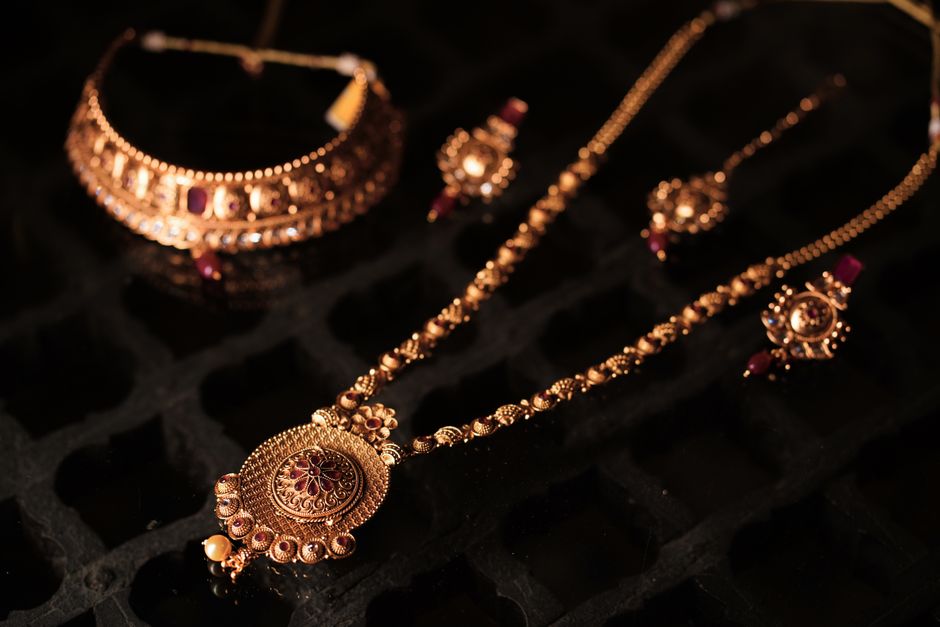
The clearest answer comes from matching line direction. Use the table as a starting point, then adjust for the thickness of the fabric and the scale of the necklace.
The fastest matching rule
Repeat the neckline’s main shape when you want a polished result. Choose a contrasting shape when you want the jewelry to make a stronger fashion statement. The safest first purchase is an adjustable necklace between 16 and 18 inches because it works with more tops than a fixed 14-inch collar.
| Neckline | Best necklace shape | Useful length | Clear verdict |
|---|---|---|---|
| V-neck | Teardrop pendant or narrow Y-chain | 18 to 24 inches | Choose a pendant that follows the V |
| Scoop neck | Rounded bib, pendant, or short layered chain | 16 to 20 inches | Repeat the curved opening |
| Square neck | Geometric collar or angular pendant | 15 to 18 inches | Use clean, firm lines |
| Boat neck | Long pendant or low-hanging strand | 24 to 30 inches | Break the horizontal line vertically |
| Turtleneck | Long pendant, rope chain, or oversized beads | 28 to 36 inches | Wear the necklace over the fabric |
Scale matters as much as shape
A delicate chain can look lost against a thick cable-knit sweater. A heavy bib can overpower a thin silk camisole. Match the visual weight of the necklace to the garment: chunky with textured fabric, refined with smooth fabric, and medium scale with everyday cotton. My strongest general recommendation is a medium-weight pendant for a mixed wardrobe because it gives definition without demanding a special occasion.
Measure the Drop Before You Buy
Necklace length is not a minor detail. Two pieces with the same pendant can create completely different outfits when one sits at the collarbone and the other reaches the sternum.
Use this three-step fitting test
- Measure a necklace you already like from clasp to end. Record the full length, not just the chain.
- Stand in front of a mirror wearing the neckline you plan to style. Mark the point where the new necklace should end. A V-neck often looks best when the pendant ends above the deepest point of the V.
- Add the necklace’s pendant height to the chain length. A 16-inch chain with a 3-inch pendant has a visual drop closer to 19 inches.
Check movement, not only the mirror
Turn your head, sit down, lift your arms, and place a coat over the outfit. A pendant that looks balanced while standing may swing into a button placket when you move. For workwear, keep the main element at least one inch above the top edge of a shirt’s opening or at least two inches below it. That small gap helps the jewelry look deliberate.
Skip fixed-length pieces if you wear many different necklines. An extender adds flexibility, but it cannot correct a pendant that is too large for the fabric. The best practical buy is an adjustable chain with a lightweight focal piece.
My Best First Choice Is a Medium Pendant
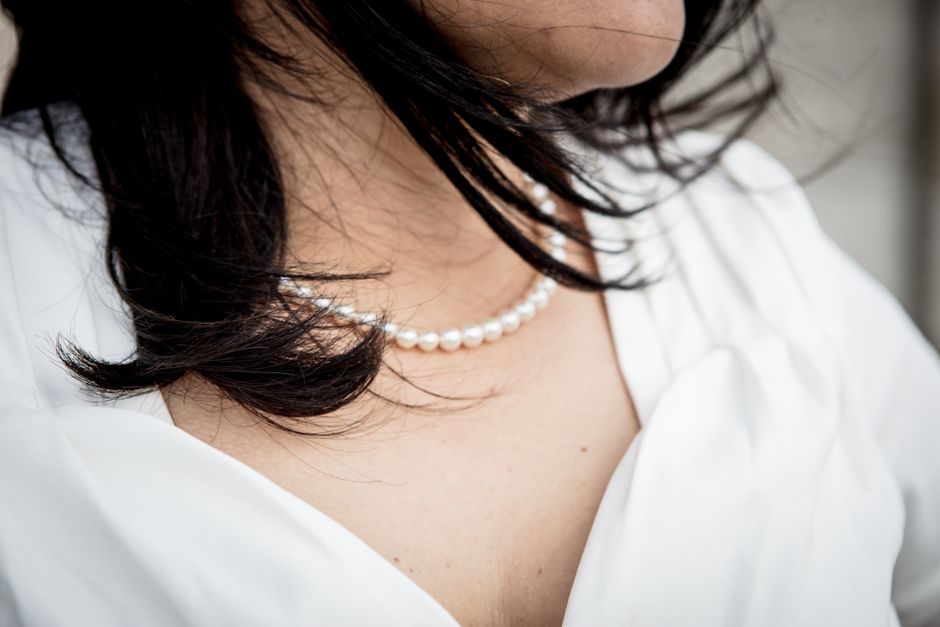
Buy a medium pendant before a giant bib necklace. A pendant measuring roughly 1.25 to 2 inches gives you enough presence for a statement effect while still working with V-necks, open shirts, and simple crew necks. It also creates fewer proportion problems for petite frames or narrow shoulders.
Why the medium pendant wins
The Kendra Scott Elisa Pendant Necklace is a useful reference point: its adjustable chain is about 15 inches with a 2-inch extender, and its pendant gives a noticeable focal point without covering the entire neckline. It is usually priced near $70, depending on the finish and stone. For a first statement necklace, that balance makes it a better starting point than an oversized collar.
The Mejuri Bold Curb Chain Necklace takes the opposite route. At about 18 inches, with a thicker chain and a higher typical price near $198, it works best over a plain crew neck or turtleneck. It is the better choice for someone who wants texture rather than a central pendant. My verdict is simple: choose Kendra Scott for versatility and Mejuri for a minimalist outfit that needs weight.
Match the finish to the outfit’s temperature
Warm gold looks especially strong with cream, camel, rust, chocolate, and olive. Silver and bright steel sharpen black, white, gray, icy blue, and denim. Mixed metal can work, but keep the rest of the jewelry quiet. A necklace with gold, silver, and colored stones should remain the only highly complex accessory near the face.
Five Mistakes That Make Necklaces Look Wrong
Most necklace failures come from proportion, not personal style. These are the mistakes I would correct before buying another piece.
What should you avoid with collars?
Do not place a short, wide necklace directly against a busy shirt collar. The collar already supplies structure, so the jewelry needs either a longer drop or a much simpler shape. Do not force a bib necklace under a buttoned shirt. Wear the shirt open at the top, or choose a pendant that can sit between the lapels.
Why does the necklace disappear?
Dark jewelry on a dark knit, tiny pendants on heavy fabric, and chains that end inside a printed neckline all lose visual impact. Test the necklace against the actual garment, not a white fitting-room top. Also check the clasp and extender. A necklace that twists constantly will not look polished, even if its shape is right.
Another common mistake is copying a celebrity’s exact length without copying the clothing proportions. A 30-inch chain may look elegant over a fitted turtleneck but awkward over a loose ruffle blouse. Buy for the outfit you wear, not the image you saved.
Statement Necklace Questions With Clear Answers
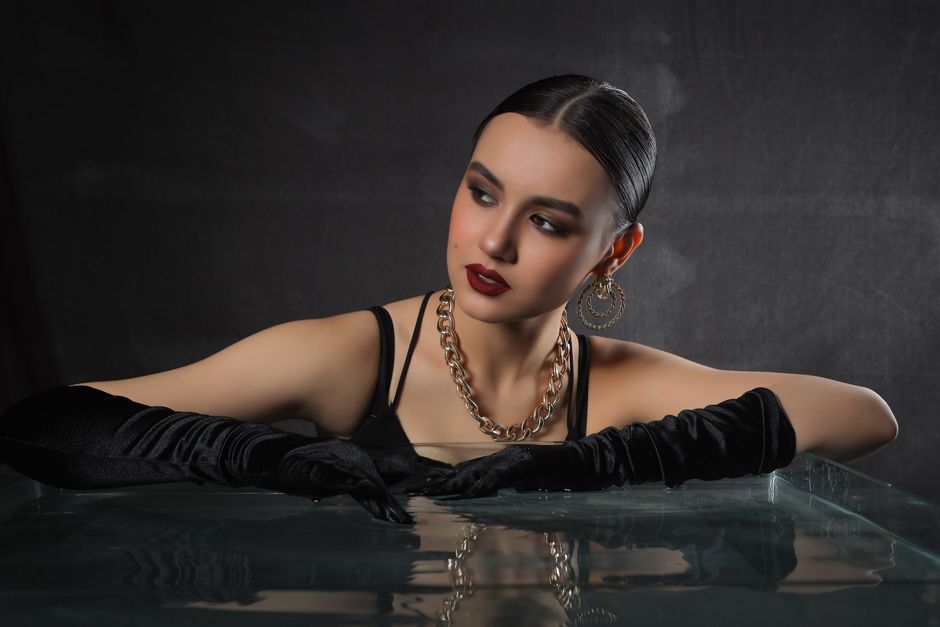
Can you wear a statement necklace with a patterned top?
Yes, but choose one repeated color and keep the necklace shape simple. A black-and-white print can take a sculptural silver pendant. A floral blouse usually needs one of its flower colors repeated in the stone or beads. The best result comes from matching one visual detail, not competing with every color in the print.
Is a choker right for a short neck?
A very tight choker is rarely the strongest choice for a short neck because it creates a hard horizontal stop. Choose a collar necklace with a small gap from the throat, or move the focal point lower with a 18-inch pendant. The exception is a low, open neckline where visible skin creates breathing room.
Should a statement necklace match earrings?
It should coordinate, not form a complete matching set. Small studs, slim hoops, or a single metal finish let the necklace lead. Large earrings plus a large bib necklace usually split attention between two nearby focal points. For most outfits, the necklace should win and the earrings should support it.
When to Skip the Statement Necklace
A statement necklace is not automatically the best finishing piece. Skip it when the garment already has a high ruffle, large bow, jeweled collar, or strong shoulder detail. Adding more visual weight near the face can make the outfit look crowded. In those cases, choose slim hoop earrings or a bracelet instead.
Choose another accessory for heavy fabric
Thick winter sweaters can swallow delicate chains and pull at fragile clasps. The BaubleBar Gumball Statement Necklace, often found around $68 with a short adjustable drop, works better over a plain fine-gauge knit than a bulky cable sweater. With heavy wool, a long pendant or brooch placed on the lapel is more reliable.
The final buying verdict
For one necklace that covers the most outfits, choose an adjustable 16-to-18-inch medium pendant in the metal you wear most. Pick a teardrop or narrow vertical shape for V-necks, a rounded design for scoop necks, and a long pendant for turtlenecks. That rule solves the real problem: giving the neckline enough space to remain visible while adding a clear focal point near your face.
As fashion moves toward more personal styling and fewer fixed outfit rules, neckline awareness will remain one of the easiest ways to make statement jewelry look intentional rather than excessive.