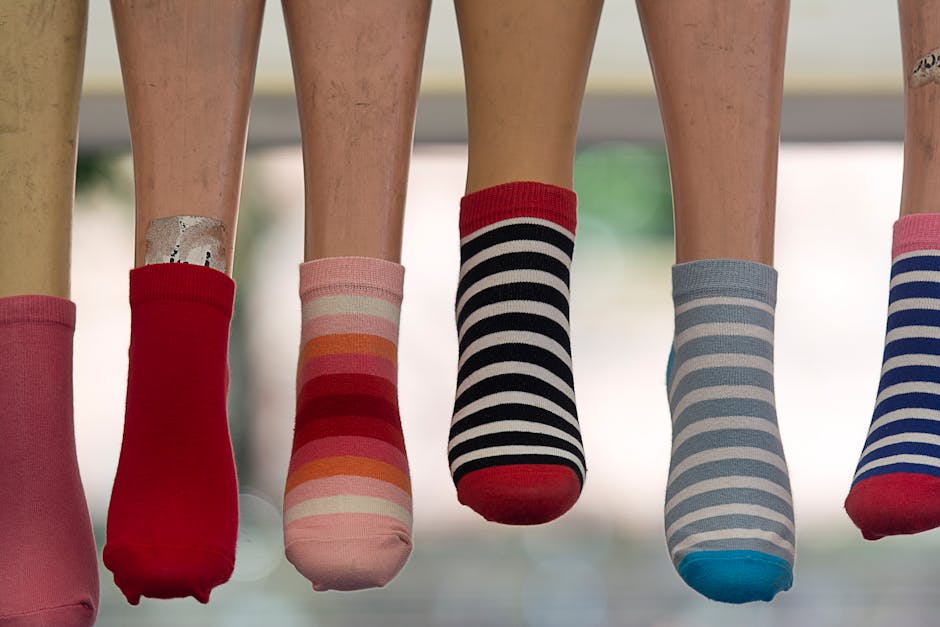
After putting a dozen pairs through their paces, my top recommendation for the best overall Japanese sock for men goes to the Tabio Men’s Cotton Knit Rib Socks. These aren’t just good socks; they’re an experience in subtle luxury and enduring quality. They hit the sweet spot between comfort, durability, and a refined aesthetic that makes them suitable for almost any occasion, from business casual to weekend wear. They simply get the fundamentals right, consistently.
The Best Overall Japanese Sock for Most Men: Tabio Cotton Knit Rib Socks
When you’re looking for a sock that you can wear day in and day out, one that feels substantial without being bulky, and maintains its shape and color through countless washes, the Tabio Men’s Cotton Knit Rib Socks are unmatched. These socks exemplify the Japanese dedication to craftsmanship, focusing on comfort and longevity rather than fleeting trends. They offer a snug yet gentle fit, preventing slippage or bunching, which is a common complaint even with higher-end socks. The rib-knit provides a classic look that pairs well with anything from Oxfords to loafers, making them incredibly versatile.
What truly sets them apart is the balance of materials and construction. Made predominantly from high-quality cotton, they offer breathability crucial for all-day wear, especially in varied climates. The blend often includes a small percentage of nylon or polyurethane, not to cut costs, but to add elasticity and shape retention. This means the sock conforms to your foot without feeling restrictive and doesn’t sag around the ankle by midday. I’ve found pairs that have lasted me for years, a testament to their exceptional build.
Tabio Men’s Cotton Knit Rib Socks: Key Details
- Material Composition: Typically 80-85% Cotton, 10-15% Nylon, 5% Polyurethane. This blend delivers softness with excellent stretch and recovery.
- Price Point: Expect to pay around $20-$25 per pair. While this is higher than drugstore socks, their lifespan and comfort justify the investment.
- Ideal Use Case: Excellent for daily wear, business casual settings, and anyone prioritizing comfort and durability without sacrificing style. They perform well year-round due to their breathable weave.
Tabio’s commitment to detail extends to the seamless toe, a feature that might seem minor until you experience its absence. This eliminates the irritating ridge that can cause discomfort and blisters, especially during long walks or when wearing close-fitting shoes. They aren’t the flashiest socks on the market, but their consistent performance and understated elegance make them the default choice for a reason. If you’re buying your first pair of high-quality Japanese socks, start here.
What Makes Japanese Socks Different? A Deep Dive into Craftsmanship
The world of Japanese socks isn’t just about material; it’s a philosophy. It’s about meticulous attention to detail, innovative textile engineering, and a deep respect for both tradition and functional design. Unlike mass-produced socks that often prioritize low cost and quick turnaround, Japanese manufacturers frequently focus on creating a superior product that justifies its higher price point through comfort, durability, and unique aesthetic.
One primary differentiator lies in the yarn itself. Japanese brands often source premium fibers, such as long-staple Supima cotton for exceptional softness and strength, or high-grade merino wool for its temperature-regulating and moisture-wicking properties. They’re also pioneers in blending natural fibers with advanced synthetics, not as a cost-saving measure, but to enhance performance characteristics like elasticity, quick-drying capability, or anti-odor properties. This thoughtful approach ensures the sock isn’t just a covering but a well-engineered piece of apparel.
Understanding Yarn Blends and Weaving Techniques
Japanese sock makers excel at creating complex yarn blends. For instance, a common blend might feature cotton for breathability, silk for luxurious feel and sheen, and a touch of nylon or polyurethane for elasticity and shape retention. The weaving techniques are equally advanced, often employing specialized knitting machines that can produce intricate patterns, varying thicknesses, and even seamless construction. Flat knitting machines, for example, allow for precise shaping that minimizes bulk, while circular knitting can create truly seamless tubes for maximum comfort. This level of technical mastery is rarely found outside of a few select regions globally, with Nara Prefecture being a significant hub for this expertise.
The Art of Seamless Toes and Reinforced Zones
The seamless toe is a hallmark of quality in Japanese socks. Achieved by meticulously linking individual stitches at the toe, it eliminates the bothersome seam ridge that can cause irritation. This might seem like a small detail, but it dramatically improves comfort, especially for individuals sensitive to pressure points or during extended wear. Furthermore, many Japanese socks feature reinforced heels and toes. This isn’t just about adding extra material; it involves using denser knits or stronger yarns in these high-wear areas to significantly extend the sock’s lifespan. This targeted reinforcement ensures that areas prone to thinning or tearing maintain their integrity much longer than average socks, making them a more sustainable and economical choice in the long run.
Durability Beyond Appearances: Longevity Through Quality
The investment in higher-quality materials and construction directly translates to superior durability. While a cheap multi-pack might seem like a bargain, those socks often develop holes, lose their shape, or thin out within months. Japanese socks, on the other hand, are designed to endure. Their fibers resist pilling, their elastic components maintain stretch, and their reinforced zones stand up to abrasion. This means fewer replacements, less waste, and a more consistent experience over time. It’s a testament to a philosophy that values lasting quality over disposability, reflecting a broader Japanese cultural appreciation for craftsmanship and longevity in everyday items.
Common Mistakes When Buying Japanese Socks: Avoid These Pitfalls
- Ignoring Material Composition: People often pick socks based purely on color or pattern. However, the material blend dictates everything from comfort and breathability to durability and care requirements. A beautiful pair of socks made from 100% synthetic can feel clammy, while a pure cotton pair might lack elasticity and sag. Always check for blends that offer the best of both worlds – natural fibers for comfort and synthetics for stretch and resilience. For example, a merino wool blend is excellent for temperature regulation, while a cotton-hemp blend offers superb breathability and strength. Don’t assume all “Japanese socks” are automatically superior; scrutinize the label.
- Overlooking Proper Sizing: Socks aren’t one-size-fits-all. Japanese sizing can sometimes differ slightly from Western standards, so always refer to the brand’s specific size chart. A sock that’s too small will stretch and wear out quickly, causing discomfort and pressure points. One that’s too large will bunch up, leading to blisters and an untidy appearance. Pay attention to foot length in centimeters or inches, and consider your calf circumference if you’re buying crew or over-the-calf styles, as a too-tight cuff can be uncomfortable.
- Skipping Care Instructions: High-quality socks require specific care. Machine washing hot and tumble drying high can destroy delicate fibers, degrade elastic, and shrink wool. Many premium Japanese socks recommend cold water wash, gentle cycle, and air drying. Ignoring these instructions will drastically shorten the lifespan of even the best socks. Treat them like a fine garment, not a disposable item, and they will serve you well for years.
- Falling for Cheap Imitations: The popularity of Japanese craftsmanship has led to cheaper imitations. If a deal seems too good to be true for a brand typically known for its $20+ socks, it probably is. These imitations often use inferior yarns, lack reinforced areas, and feature poor seam construction. The initial savings are quickly negated by rapid wear and a disappointing experience. Stick to reputable retailers and known brands to ensure you’re getting genuine quality.
- Only Buying One Style: While it’s easy to find a favorite, Japanese sock brands offer a wide array of styles for different purposes. You might love a thick, cozy RoToTo for winter, but it won’t be suitable for summer dress shoes. Consider having a rotation of dress socks, casual everyday socks, and perhaps specialized options like tabi socks or five-finger socks if they suit your footwear or needs. Diversifying your sock drawer ensures you always have the right pair for the occasion and extends the life of each individual pair.
Top Japanese Sock Brands: A Feature Comparison

Understanding the nuances between brands helps in selecting the perfect pair for your specific needs. While many share a commitment to quality, their approach to materials, design, and target audience can differ significantly. Here’s a comparison of some leading names in the Japanese sock market.
| Brand | Primary Focus | Typical Materials | Price Range (per pair) | Key Differentiator |
|---|---|---|---|---|
| Tabio | Everyday elegance, athletic performance | Cotton, Silk, Nylon, Wool blends | $18 – $30 | Exceptional fit, seamless construction, classic designs. Highly versatile. |
| Anonymous Ism | Artisan craftsmanship, unique patterns | Cotton, Hemp, Silk, Slub yarns | $25 – $40 | Distinctive texture, bold patterns, often hand-linked toes. More fashion-forward. |
| Chup (Glen Clyde) | Heritage-inspired, intricate patterns | Combed Cotton, Merino Wool, Dralon | $30 – $45 | Complex jacquard patterns, robust build, focus on traditional textile art. Very durable. |
| RoToTo | Comfort, heavy-duty, outdoor/casual | Organic Cotton, Merino Wool, Hemp, Double-face knitting | $28 – $50 | Thick, cushioned feel. Often features reversed double-faced knit for unique texture. Great for boots. |
| Nishiguchi Kutsushita | Natural fibers, sustainable, simple luxury | Linen, Merino Wool, Mohair, Silk, Cotton | $22 – $40 | Focus on natural materials, excellent temperature regulation, understated aesthetic. Environmentally conscious. |
Each of these brands brings something distinct to the table. Tabio remains my go-to for consistent, everyday quality and a near-perfect fit. If you’re looking to make a statement with your socks, Anonymous Ism or Chup offer unparalleled pattern work and textural interest. For sheer warmth and cushioning, particularly with rugged footwear, RoToTo is an excellent choice. Finally, if natural fibers and a refined, subtle feel are your priority, Nishiguchi Kutsushita consistently delivers.
Consider your personal style, the shoes you’ll be wearing, and the climate. A well-rounded sock drawer might include a mix from these brands to cover all bases.
Your Questions on Japanese Socks Answered
Are Japanese socks worth the higher price point?
Yes, for most people, they are absolutely worth the investment. The price difference often reflects superior materials like long-staple cotton, premium merino wool, or silk blends, which feel better and last longer. Beyond materials, the manufacturing processes involve intricate weaving techniques, seamless toe closures, and reinforced stress points that significantly enhance comfort and durability. While a pair might cost $20-$40, they often outlast multiple pairs of cheaper socks, making them more economical in the long run and reducing waste. Think of it as investing in footwear comfort and longevity.
How do I care for delicate Japanese socks to maximize their lifespan?
Proper care is crucial. Always check the specific care label, but generally, most high-quality Japanese socks benefit from a cold water wash on a delicate cycle. Use a mild detergent. Avoid bleach at all costs. Air drying is highly recommended to preserve elasticity and prevent shrinking, especially for wool or delicate blends. If you must use a dryer, tumble dry on the lowest heat setting and remove them while slightly damp. Turning them inside out before washing can also help protect the outer fibers and patterns from abrasion.
What’s the deal with Tabi socks, and are they only for traditional wear?
Tabi socks are traditional Japanese socks characterized by a split toe, separating the big toe from the others. Historically, they were worn with geta or zori sandals. Today, they’re increasingly popular for their unique feel and specific functional benefits. While they certainly complement traditional Japanese attire, modern tabi socks are designed to be worn with contemporary footwear like sandals, flip-flops, or even sneakers. Some athletes find the toe separation beneficial for grip and balance, particularly in martial arts or activities where foot dexterity is key. Brands like Tabio offer a range of tabi socks in modern designs and materials, making them a stylish and comfortable choice for many.
Do Japanese socks offer any specific health benefits?
While not explicitly medical devices, certain features in Japanese socks can contribute to foot health and comfort. The use of natural, breathable fibers like cotton, linen, and merino wool helps manage moisture, reducing the risk of fungal infections and odors. Seamless toe construction eliminates common irritation points, which is beneficial for people prone to blisters or those with sensitive feet. Specialized designs like five-finger socks or tabi socks can improve toe alignment and circulation, providing a more natural feel for the foot, potentially reducing strain. Compression socks, while a specific sub-category, are also produced by some Japanese brands, offering targeted support for circulation.
The Future of Footwear: Beyond the Basics
The landscape of Japanese socks continues to evolve, pushing boundaries not just in aesthetics but in sustainable practices and advanced material science. We’re seeing more brands prioritize organic cotton, recycled fibers, and innovative biodegradable synthetics, reflecting a growing global consciousness. Beyond materials, the focus remains on the wearer’s experience – socks engineered for specific climates, activities, or even therapeutic benefits are becoming more common. Expect further integration of smart textiles and even more personalized fit options. The simple sock, in Japan, is anything but simple, and its future promises even greater comfort, style, and functional innovation.