Build the Bag Around the Day, Not the Packing List
A beach tote earns its place when it carries the messy middle of a day: the walk from the hotel, the damp hour after swimming, a proper lunch and the trip home. The trick is not packing more. It is deciding where every change of state will go.
Most beach-bag advice begins with a pile: towel, water, sunscreen, book, hat, spare clothes. The list looks sensible on a bed and becomes chaotic as soon as the first wet swimsuit meets a paperback. A better method begins with the schedule. Picture every threshold the bag will cross and give each transition a simple rule.
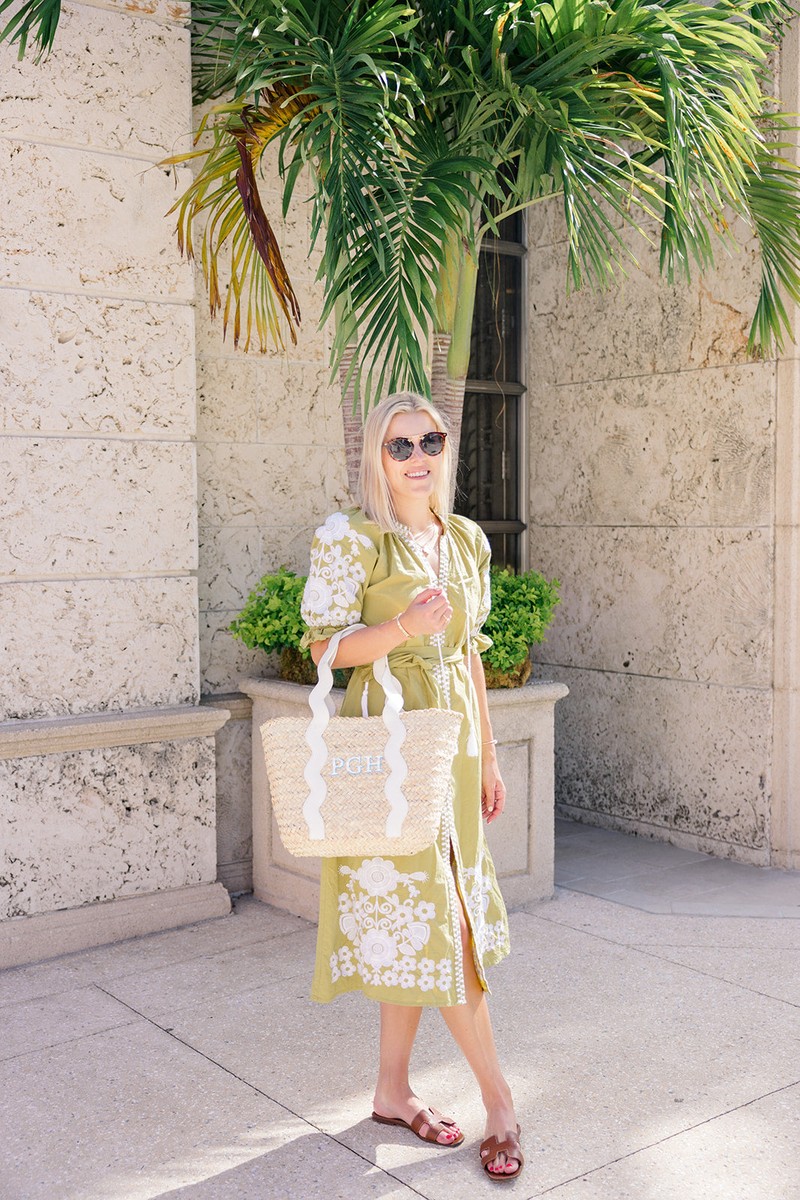
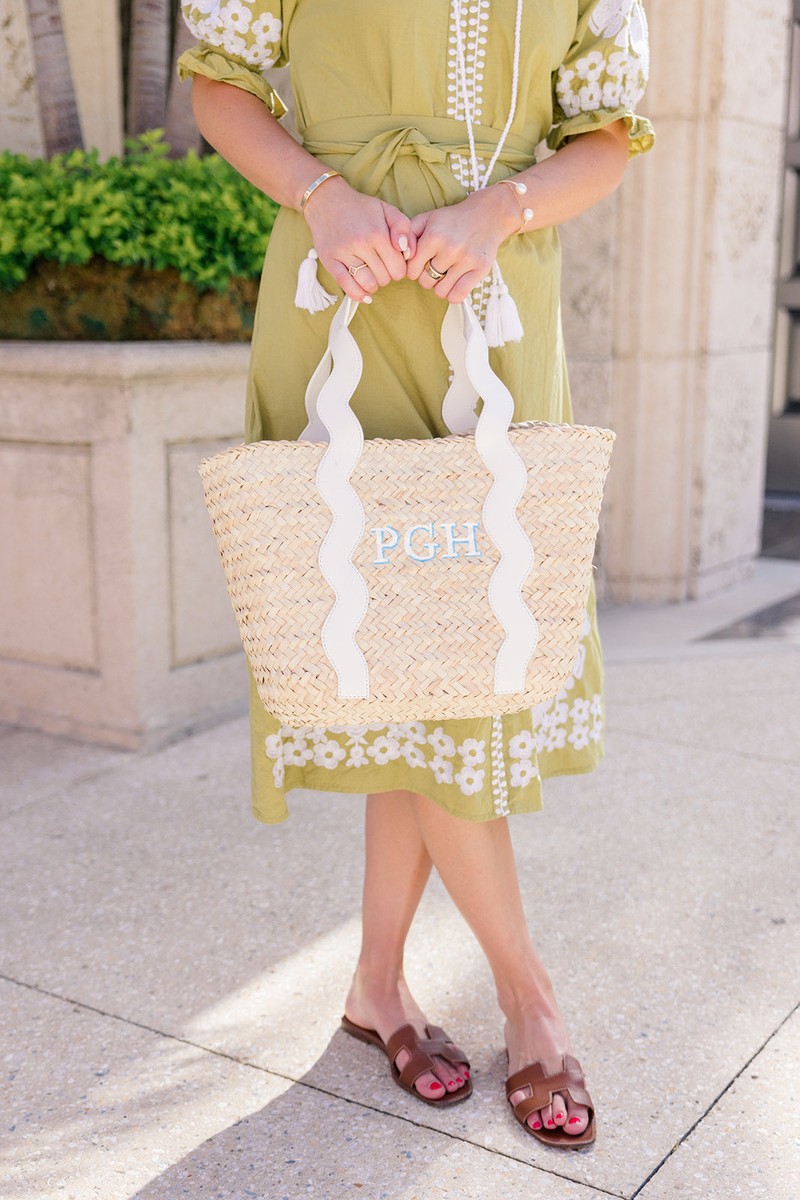
A large open tote such as the Breck & Grier Ridgely makes quick access easy, while a more structured shape such as the Boo Rattan Tote changes how much can be stacked and how neatly the bag stands beside a chair. Neither format decides the day for you. The useful question is whether the contents match the bag’s opening, base and carrying style.
Draw the route before opening the wardrobe
Write the day in verbs rather than destinations: walk, change, swim, rinse, eat, browse, return. Each verb creates a small demand. Walking requires an easy load and free hands. Swimming creates wet fabric. Lunch asks for a bag that can sit beside a table without releasing half its contents. Browsing after lunch makes weight more noticeable than it felt at breakfast. The route exposes those needs before optimism fills every corner of the tote.
Now mark the moments when you will have access to a room, car or locker. A hotel pool day with a nearby room can tolerate a light bag because replacements are close. A beach reached by ferry or a long walk needs a more self-contained plan. This distinction matters more than the number of hours outdoors. Distance from your base determines how expensive a forgotten item becomes.
Choose one anchor activity. If swimming is the point of the day, protect space for a proper towel and dry layer. If lunch is the occasion, keep the bag lighter and make the water stop secondary. A tote works best when one purpose leads and the others are supported, rather than when every possible version of the day is packed at full scale.
Match the opening to the way you move
An open-top beach tote is useful when you repeatedly reach for sunscreen, a hat or a child’s goggles. It is less forgiving in crowded transport or strong wind. Before choosing it, decide how valuables will be contained. A zipped pouch or small crossbody worn on the body can handle cards, room keys and a phone while the large tote carries soft, replaceable things. The goal is not to turn the entire tote into a locked box; it is to separate the few items that truly require control.
Structure changes the packing order. A broad, flat base allows bottles and pouches to remain upright, which reduces rummaging and gives the bag a tidier presence at lunch. A softer straw body is easier to fit around a rolled towel but needs deliberate weight distribution. Put dense items low and close to the side that rests against your body. If a water bottle leans at the outer edge, the bag will pull away from you all morning.
Test the handles with the real load. A tote that feels weightless when empty may sit differently over a linen sleeve or bare shoulder once it carries water and a towel. Lift it, walk around the room and set it down twice. If you need two hands to rearrange the handles every time, remove something before leaving.
Create three zones instead of twelve little pouches
Over-organising can make a beach tote slower. When every small item lives inside another small bag, a simple sunscreen stop becomes an excavation. Three zones are enough. The dry zone holds clothes, book and anything made of paper. The active zone holds sunscreen, sunglasses, water and the items you expect to use repeatedly. The return zone begins empty and receives wet swimwear, damp cloths and sandy objects later.
Use texture to distinguish the zones by touch. A smooth waterproof sack works for the return zone. A soft cotton pouch can protect dry clothing. The active zone should remain visible or reachable at the top. This arrangement lets you find what you need without laying the contents on the sand, and it preserves a place for wet items before they exist.
Avoid dedicating a pouch to every category. Toiletries that are used together can share one small case. Snacks need a single wipe-clean container, not several loose wrappers. Sunglasses should have a firm case if they sit under a bottle. The best system is easy to reset after lunch, when patience and available table space are both lower.
Pack in the order the day will unfold
The bottom of the bag is not storage for the least important things. It is storage for the things needed latest. Begin with the dry change of clothes, protected inside its pouch. Place the return sack flat beside it. Add the rolled or folded towel so it creates a stable wall rather than a lid. Water can stand beside that wall, close to the body side of the tote. The top layer belongs to the first hour: hat, sunscreen and sunglasses.
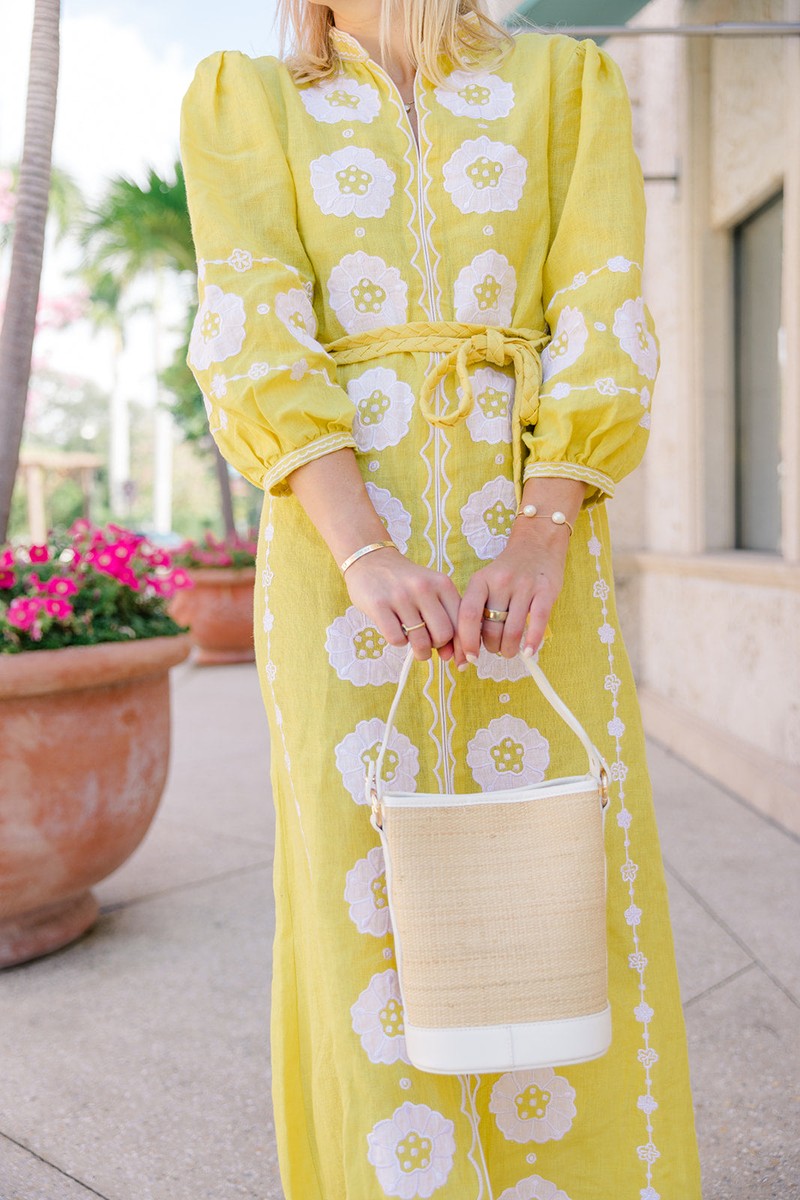
If the bag has a flat base, use it. The structured Boo silhouette illustrates why an upright bag can be helpful when a day includes a terrace or cafe. A base that stands steadily reduces the temptation to hang a heavy bag from a chair, where it can tip or pull on the handle. Even so, keep liquids closed and contained; structure is not a substitute for a secure cap.
Leave visible air at the top. That space is not wasted capacity. It is where a light layer goes after the morning warms up, where a small purchase can sit without crushing a hat, and where the bag gains enough flexibility to close around a rolled newspaper or folded menu. A tote packed flush at breakfast has nowhere to absorb the day.
Make lunch a changeover, not an interruption
Before leaving the beach or pool, take two minutes to reset. Shake sand from the towel away from other people, place wet swimwear in the return sack and wipe the outside of any sunscreen bottle. Move the book and dry clothes to the top only after wet items are sealed. This short changeover keeps the lunch table from becoming the place where the whole bag must be reorganised.
Think about what the bag looks like from above. An open tote beside a chair reveals everything at once. A folded scarf or dry layer can cover the practical interior without pretending the bag is an evening purse. Keep the valuables pouch on your body or under the top layer, not balanced loose near the opening. When the table is small, place the tote upright between your feet rather than blocking a walkway.
Lunch is also the best moment to reduce the return load. Finish the water you packed rather than carrying several half-full bottles. Dispose of wrappers responsibly. Put receipts into the valuables pouch before they become damp. The bag should leave lunch more organised than it arrived.
Protect woven materials without treating them as fragile
Natural straw and rattan bring texture precisely because they are not smooth synthetic shells. Respect that texture by avoiding prolonged dampness and by keeping oily products contained. A sunscreen spill is easier to prevent than to remove from a tight weave. Close caps, wipe threads and place bottles upright in a washable pouch. If the exterior becomes sandy, let it dry before brushing gently rather than rubbing wet grains into the fibres.
Do not use the handles as a hook for wet swimwear. The extra moisture and uneven weight work against both appearance and comfort. Keep damp items inside the return sack and carry a very wet towel separately for the short walk back if necessary. Once indoors, empty the tote completely, remove loose sand and allow air to reach the base.
Storage between trips should preserve shape without trapping humidity. Keep the bag in a dry place, lightly supported with clean tissue or a soft cloth rather than overstuffed. The merchant’s current care guidance should always take priority for a particular finish or painted detail, so read the product page before cleaning.
Edit the return journey before it edits your mood
The return trip is when an overpacked tote becomes most obvious. Energy is lower, straps feel narrower and damp items weigh more. Before leaving, make one deliberate pass: confirm phone, keys and cards; seal the wet zone; place anything fragile above the towel; tighten every bottle. The sequence takes less than a minute and prevents the anxious search that often happens at a station or hotel entrance.
Carry the bag on the same side for only part of the walk. Switch shoulders before discomfort begins, not after. If the handles are designed primarily for hand or arm carry, do not force them into a tight shoulder position. The right carrying method is the one that respects the handle length and keeps the bag close to the body without distorting its opening.
Back in the room, unpack immediately. Wet items go to dry, water bottles go to the sink, and the valuables pouch returns to its normal place. A tote that is reset on the same day is ready for breakfast or a market the next morning. A tote left full overnight becomes tomorrow’s sorting problem.
THE LAST EDIT
Choose capacity you can manage, not capacity you can fill
A polished beach bag is not the one with the fewest practical items. It is the one whose contents remain understandable from morning to evening. Give wet things a future place, keep valuables separate, pack by timing and leave enough room for the day to change.
Explore Breck & Grier’s current woven bag formats and check product details, dimensions and care information against your own route before choosing.