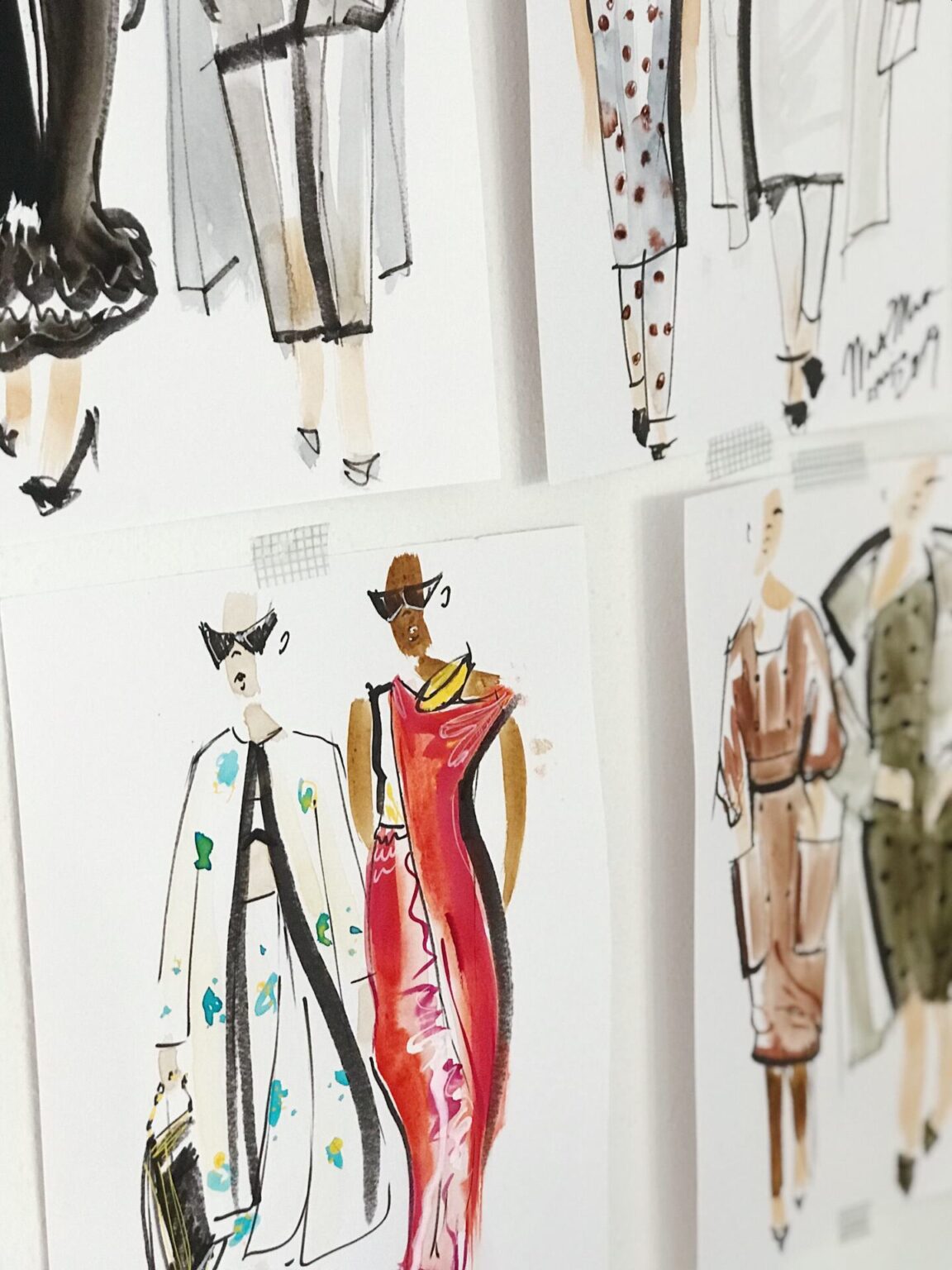
I used to think you needed a degree from FIT or Parsons to call yourself a stylist. Turns out, that’s total garbage. I landed my first paid styling gig with nothing but a $200 camera, a borrowed wardrobe, and a lot of hustle. Seven years later, I’ve styled editorials for magazines you’ve read and dressed clients for red carpets. Here’s exactly how I did it — and how you can too.
Step 1: Kill The “I Need A Degree” Myth
Let me save you $40k and two years of your life. Nobody cares about your diploma. Clients and editors care about one thing: can you make them look good? I’ve worked with stylists who studied engineering, psychology, and one who was a barista six months prior.
What actually matters? Your eye. Your taste. Your ability to pull together a look that tells a story. I learned more in three months of assisting a working stylist than I did in any classroom. If you want formal training, take a weekend workshop from someone like Micaela Erlanger or Kate Young — they occasionally teach masterclasses. But don’t go into debt for it.
Here’s what I’d skip: full-degree fashion programs at schools like FIDM or Parsons unless you want the networking. If you’re already networking on your own? Save the cash for clothes and cameras.
Step 2: Build A Portfolio That Screams “Hire Me”
Your portfolio is your resume. Full stop. I started with zero budget, so I offered to style friends for free in exchange for photos. Then I reached out to local photographers on Instagram who needed fresh content. Trade work is the currency of beginners.
Here’s my exact process for building a portfolio on a shoestring:
- Find a photographer — search hashtags like #TFPphotographer or #collaboration on Instagram. Offer to style a shoot for free. You bring the clothes, they bring the camera.
- Source clothes for free — hit up local boutiques and ask to borrow pieces for a shoot. Most small shops will say yes if you tag them. I borrowed from Reformation and Everlane early on.
- Shoot 5-8 looks — that’s enough for a solid portfolio. Mix editorial (dramatic, high fashion) with lifestyle (real-world, wearable).
Don’t just throw photos on a website. Curate them. I keep my portfolio to 12 images max. Anything more and you look unfocused.
What To Include In Your First Portfolio
Three types of shots: a full-body look (shows the whole outfit), a detail shot (shows texture or accessory styling), and a group shot (shows you can style multiple people). Each tells a different story about your skill set.
Step 3: Learn The Tools Of The Trade (And I Don’t Mean Sewing)
You don’t need to know how to sew. You need to know how to organize a rack, steam a garment, and pack a trunk for a shoot. These are the boring skills that separate amateurs from pros.
Here’s what I carry in my kit every single shoot:
- Garment steamer — I use the Conair Turbo ExtremeSteam ($35). It heats up in 30 seconds and fits in a duffel.
- Fashion tape — Hollywood Fashion Tape ($8 for 60 strips). Keeps necklines in place and hems from riding up.
- Safety pins and clothespins — for quick alterations. I keep a mix of sizes.
- Lint roller — obvious but forgotten. I use the Scotch-Brite Lint Roller ($6).
- Mood board app — I use Milanote (free tier). I create a board for every client or shoot to organize references, color palettes, and specific garments.
You also need to know how to talk to a tailor. Learn basic terminology: hem, take in, let out, shorten sleeves. I send my clients to a specific tailor in my neighborhood — Luis at Stitch It — because he understands fashion fit, not just suit adjustments.
Step 4: Build Your Network (This Is The Hard Part)
I hate networking. It feels fake. But here’s the truth: every single job I’ve gotten came from a referral. Not a cold email. Not a LinkedIn message. A friend-of-a-friend recommendation.
Start with these three groups:
- Photographers — they’re the gateway to editorial work. Find ones whose aesthetic matches yours. I met my first regular collaborator at a coffee shop after DMing her on Instagram.
- Makeup artists and hair stylists — they work on the same sets as you. Befriend them. They’ll recommend you for jobs they can’t take.
- Fashion PR people — these are the gatekeepers to borrowing clothes. Be polite, professional, and return everything on time. I still have a relationship with the PR team at Staud from years ago because I always sent back their samples clean and on schedule.
Attend one industry event per month. I go to NYFW shows (even the off-schedule ones) and local fashion week events in my city. Bring business cards — yes, they’re still a thing. I use Moo for mine ($20 for 100).
Step 5: Get Your First Client (And Don’t Screw It Up)
Your first paying client will likely be a friend, a friend-of-a-friend, or someone who saw your portfolio on Instagram. I charged $300 for my first full-day styling session. I was terrified. Here’s what I learned:
| What To Do | What NOT To Do |
|---|---|
| Arrive 30 minutes early with everything steamed and organized. | Show up late or unprepared. One bad review kills your reputation. |
| Ask the client about their lifestyle, budget, and personal style before buying anything. | Assume you know what they want. You don’t. |
| Bring 3-4 complete outfit options for every occasion. | Bring one option and force it. If they hate it, you have no backup. |
| Send a follow-up email with photos of the outfits and where to buy each piece. | Disappear after the session. Follow-up builds trust. |
Charge by the hour or by the day. I started at $50/hour for personal styling. Now I charge $150/hour. For editorial work, I charge a flat rate per look — usually $200-$500 depending on the complexity.
When NOT To Take A Client
If a client wants you to style them for free in exchange for “exposure,” say no. Exposure doesn’t pay rent. The only exception is if the shoot will produce portfolio-quality images you can use. Even then, set a limit — I did two free shoots in my entire career. After that, I started charging.
Step 6: Specialize Or Stay General — Pick One
I spent my first two years trying to do everything: editorial, personal styling, bridal, red carpet. It was exhausting and my work was mediocre across the board. Then I narrowed down to editorial and commercial styling — that’s where my best work lives.
You don’t have to pick one lane forever, but starting out, pick one. Here are the main paths:
- Personal stylist — works one-on-one with clients to build their wardrobe. Best for people who love relationship-building and seeing daily impact.
- Editorial stylist — works on photoshoots for magazines, lookbooks, or advertising. Best for creative types who love visual storytelling.
- Commercial stylist — styles for e-commerce websites, catalogs, or TV commercials. Less creative freedom but steady pay.
- Bridal stylist — helps brides find wedding attire. High pressure but high reward.
I started with editorial because I loved the creative control. If you’re more people-oriented, go personal styling. If you want stability, go commercial. The key is to commit for at least a year before switching.
One more thing: don’t try to be a “celebrity stylist” right away. That’s like a rookie baseball player aiming for the World Series before spring training. Start small, build a reputation, and the big jobs come later.
Step 7: Keep Learning And Pivoting
The fashion industry changes fast. What worked five years ago — like shooting on film for editorial — is now niche. What’s hot now? Sustainable styling (using vintage and rental pieces) and digital styling (creating looks for virtual try-ons or social media).
I take one course per year to stay sharp. Last year I took a class on sustainable sourcing from the Fashion Institute of Technology’s online program ($150 for a certificate). This year I’m learning about AI styling tools like Zalando’s virtual stylist — not because I’ll use them for everything, but because I need to understand what my competitors are using.
Here’s what I’d recommend for continuing education:
- Read — Vogue Business and The Business of Fashion for industry trends. Who What Wear for consumer trends.
- Watch — YouTube channels like Fashion Roadman and The Style Insider for practical tips.
- Network — join the Fashion Stylists United Facebook group (free) for job postings and advice.
And don’t be afraid to pivot. I started as a personal stylist, moved to editorial, then added commercial work. Each pivot taught me something new. The stylists who fail are the ones who refuse to adapt.
If I were starting today, I’d focus on personal styling with a sustainable twist — helping clients build capsule wardrobes from vintage and rental pieces. That’s where the demand is growing fastest, and it aligns with what I care about. Pick your niche, build your portfolio, and start charging before you feel ready. You’ll figure it out on the job — I sure did.