Emirati cuisine is one of the most misunderstood food cultures in the world. Most people who visit Dubai eat Lebanese, Indian, or Pakistani food and call it “local.” That’s not local — that’s a cosmopolitan city with great import restaurants. Real Emirati food has a completely different DNA: shaped by Bedouin desert life, pearl diving culture, and centuries of Indian Ocean trade routes.
Here’s what you actually need to know to cook or eat it properly.
Why Emirati Food Is Nothing Like What You’ve Been Served
The confusion is understandable. The UAE is roughly 90% expat population. Walk through Dubai Marina and you’ll pass fifteen Lebanese restaurants before you find one serving machboos. But the food that Emirati families actually cook at home tells a completely different story.
Emirati cuisine is built around three historical realities: the desert Bedouin tradition, the coastal fishing and pearl diving culture along the Arabian Gulf, and the spice trade through ports like Sharjah and Dubai. These three threads don’t just add flavor variety — they create a cuisine genuinely distinct from anything else in the region.
The Pearl Diving Diet That Built This Food
Pearl divers (ghawwaseen) spent months at sea with almost nothing — dried fish, dates, rice, and coffee. That scarcity created a cuisine that extracts maximum flavor from minimum ingredients. Dried limes (loomi) are a perfect example: a preservation technique born from necessity that became a defining flavor of the entire cuisine. You cannot replicate authentic Emirati food without loomi. It is not optional.
The Bedouin side of the equation brings slow-cooked whole animals, bread baked directly in sand (khubz al-tawa), and dairy from camels and goats. These are not tourist gimmicks. They are living food traditions still practiced in the Liwa oasis region and at family gatherings across the country.
Why the Spice Profile Is So Specific
Emirati food uses a blend called bezar — a spice mix that typically includes turmeric, cumin, coriander, black pepper, cinnamon, dried ginger, and dried lime powder. This is not the same as baharat. It is not ras el hanout. Bezar is specifically Emirati, and using the wrong spice blend is the single fastest way to produce food that tastes generically Middle Eastern instead of distinctively Emirati.
Saffron appears constantly — in rice, in desserts, in coffee. Cardamom goes in nearly everything. Rose water finishes sweets. This flavor combination is distinctive enough that one bite should tell you exactly what cuisine you’re eating.
The 7 Dishes That Define Emirati Cooking
Not fifty dishes you’ll never encounter. The seven below appear at every Emirati family meal, national celebration, or serious restaurant attempting to serve real Emirati food.
| Dish | Main Ingredients | Best Occasion | Cook Time | Difficulty |
|---|---|---|---|---|
| Machboos Al Dajaj | Chicken, basmati rice, bezar, loomi | Everyday family dinner | 90 minutes | Medium |
| Harees | Cracked wheat, bone-in lamb, ghee | Ramadan, weddings | 3–4 hours | Low |
| Balaleet | Vermicelli, egg, saffron, rose water | Breakfast, Eid morning | 30 minutes | Low |
| Majboos Al Samak | Whole fish, rice, tomato, bezar, loomi | Coastal family meals | 75 minutes | Medium |
| Luqaimat | Flour, yeast, date syrup, sesame | Ramadan street food | 45 minutes | Low |
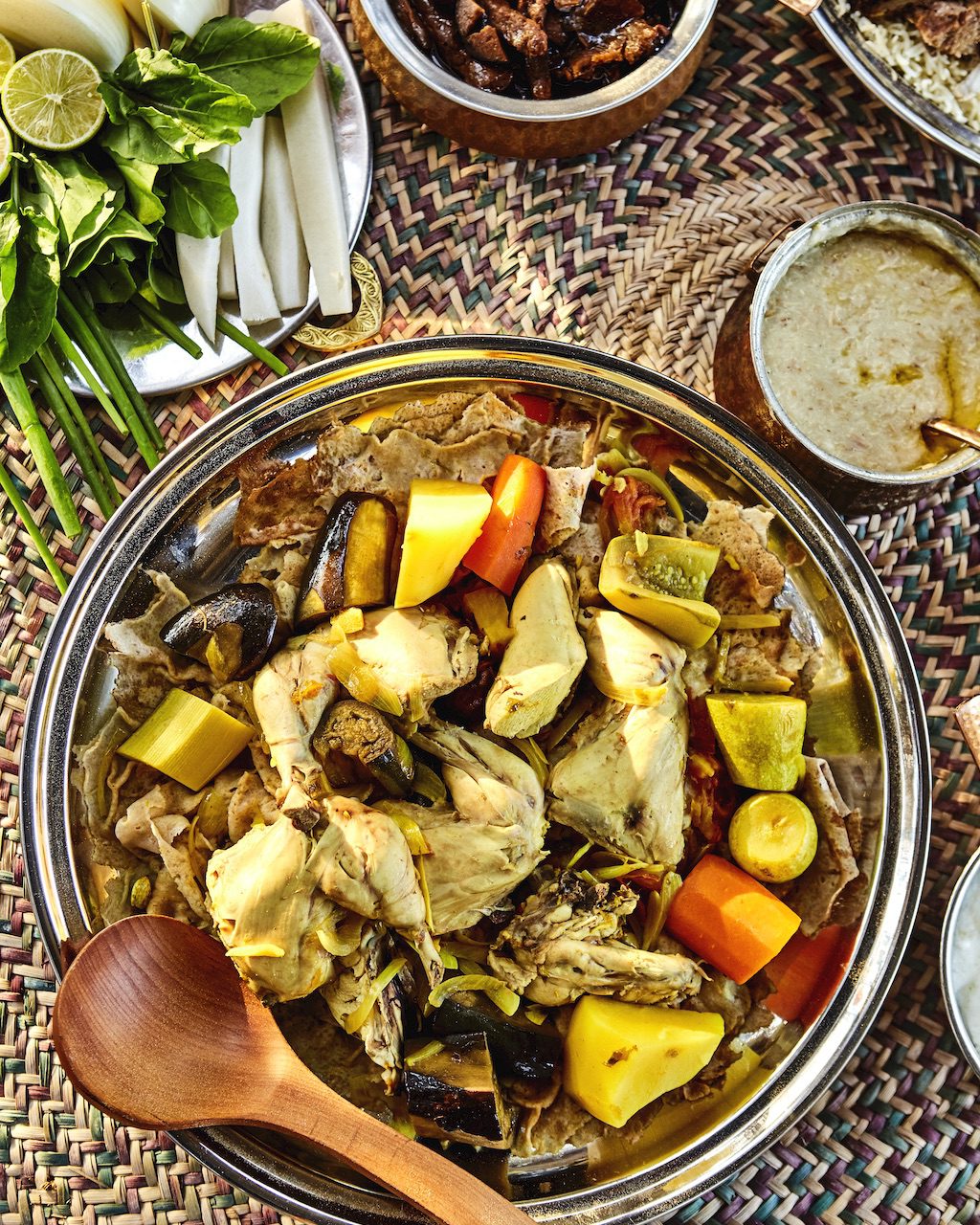
| Thareed | Lamb, root vegetables, flatbread, broth | Winter gatherings | 2 hours | Medium |
| Aseeda | Wheat flour, date syrup, ghee | Breakfast, Ramadan | 25 minutes | Low |
Machboos is the dish that matters most for home cooks. Get this one right and you understand 60% of Emirati cooking technique. Everything else builds from the same foundation: bezar, loomi, and long-cooked rice.
How to Make Machboos Al Dajaj: Every Step That Actually Matters
Machboos Al Dajaj is the national dish of the UAE. Most Western recipes treat it like a biryani or a pilaf. It is neither. The technique is specific, and the details below are what separate a good machboos from an average one.
The Ingredients You Cannot Substitute
- Basmati rice — aged basmati, not short-grain. Tilda brand aged basmati is widely available in UAE supermarkets and gives the right starch level for separate, non-clumping grains.
- Loomi (dried lime) — whole, not ground. Pierce each one three to four times before adding to the pot. Al Doha dried limes, sold in 200g bags at Carrefour UAE, are the standard option.
- Bezar spice mix — buy pre-blended from a UAE spice shop if possible. The Areej brand bezar from Spice Souk in Deira, Dubai, is the most consistent for home cooks. To make your own: 1 tsp turmeric, 1 tsp cumin, 1 tsp coriander, ½ tsp black pepper, ½ tsp cinnamon, ¼ tsp dried ginger, ¼ tsp loomi powder.
- Rose water — used in the finishing step only. Sadaf brand rose water, available at most Middle Eastern grocery stores globally, works well here.
- Ghee — not butter, not neutral oil. Saffola Pure Ghee or Al Ain brand both work. The flavor difference is most noticeable at the browning stage.
The Step-by-Step Method
- Brown 1kg skin-on chicken pieces in ghee over high heat until deeply colored. Set aside.
- In the same pot, fry 2 large onions until deeply golden — minimum 15 minutes. This step determines final flavor depth. Do not rush it.
- Add 4 garlic cloves (minced), 1 tbsp bezar, 1 tsp turmeric, and ½ tsp saffron dissolved in 2 tbsp warm water.
- Add 2 large tomatoes (grated), 2 pierced loomi, and return the chicken to the pot.
- Pour in 600ml chicken stock. Simmer covered for 35 minutes until chicken is cooked through.
- Remove chicken. Strain the cooking liquid — you need exactly 500ml of it for the rice.
- Add washed and soaked (30 minutes minimum) basmati rice to the pot with the strained stock. Cook covered on the lowest heat setting for 18 minutes.
- Rest 10 minutes off the heat, fluff with a fork, then layer the chicken on top. Finish with 1 tsp rose water drizzled across the rice.
The rose water finish sounds minor. It is not. Skip it and the dish tastes noticeably flat compared to what Emirati families actually serve.
Bezar: The Spice Blend That Makes or Breaks Everything
What Exactly Is in Bezar?
Bezar varies slightly by family and region, but the core profile is consistent across the UAE. Think of it as Emirati spice mix — calibrated specifically for rice and meat, not lentils or vegetable dishes. The loomi powder gives a tartness you will not find in any other regional blend, and that tartness is what makes the flavor profile immediately recognizable.
Standard ratio: 3 parts cumin : 2 parts coriander : 2 parts turmeric : 1 part black pepper : 1 part cinnamon : 1 part dried ginger : ½ part loomi powder. Toast the whole spices before grinding — three minutes in a dry pan over medium heat before processing makes a noticeable difference in aroma depth.
Where to Buy It
In the UAE, Deira Spice Souk in Dubai is the obvious answer. Vendors sell bezar loose by the gram and will often grind it fresh. The Areej blend is the most requested and most consistent. Outside the UAE, Al Doha brand bezar is available on Amazon UK and Amazon US — search “Al Doha bezar spice mix.” It ships in 200g and 400g bags. Solid commercial product, slightly less fresh than souk-bought, but genuinely usable for home cooking.
How Much to Use
1 tablespoon bezar per 500g meat, or per 2 cups dry rice. Emirati cooking is generously spiced. Starting with half the amount and “adjusting to taste” produces underseasoned, disappointing food. Use the full measure and trust the blend.
The Rice Mistake That Ruins Machboos
Skipping the soak. Every time, without fail. Non-negotiable: soak your basmati for minimum 30 minutes before cooking machboos. Dry rice absorbs stock too fast, goes starchy, and clumps into something closer to porridge. Soaked rice cooks evenly, stays separate, and gives you the texture that makes the dish work. This one change will more immediately improve your machboos than any spice adjustment you could make.
Emirati Breakfast vs. Dinner: What Each Spread Actually Looks Like
Emirati eating culture does not follow Western meal structure. Breakfast is substantial and often sweet-savory in the same bowl. Dinner, especially during Ramadan, is elaborate and communal. Knowing the difference matters whether you’re cooking for guests or sitting at an Emirati table for the first time.
Breakfast: Balaleet, Chebab, and Gahwa
Balaleet is sweet vermicelli cooked with saffron, cardamom, and rose water — served with a plain fried egg placed directly on top. The sweet-savory combination sounds wrong until you try it. It works because the egg is unseasoned and the vermicelli is fragrant rather than cloying. The egg breaks into the noodles and the result is genuinely satisfying, not confusing.
Chebab are thin Emirati pancakes made with flour, eggs, saffron, and sometimes dates blended into the batter. Eaten with date syrup (dibs) and fresh white cheese. Al Ain brand date syrup is the household standard — 500ml bottles, available at most UAE supermarkets and on Amazon internationally. Bateel dates are genuinely worth the premium for a breakfast spread meant to impress; their Kholas variety has a caramel-butterscotch profile that pairs perfectly with the savory white cheese.
Coffee (gahwa) arrives before food. Always. Emirati gahwa is made with lightly roasted beans, cardamom, saffron, and rose water — deliberately pale and fragrant compared to Turkish or Arabic coffee. It is served in small handleless cups (finjan) and refilled by the host until you shake the cup side to side to signal you have had enough. Refusing a refill by placing your hand over the cup is considered rude.
Dinner: The Full Communal Spread
A formal Emirati dinner means multiple dishes placed simultaneously on a large shared tray or low table. Machboos anchors everything. Around it: sliced cucumber and tomato with lemon, a yogurt-based side, fried whole fish if the meal is coastal, and dates served at the start before the hot food arrives.
Harees — slow-cooked cracked wheat and bone-in lamb simmered for three to four hours until the meat fully dissolves into the grain — appears at most formal dinners and throughout Ramadan. It is the ugliest dish in Emirati cuisine and one of the most satisfying. Finished with a visible pour of ghee over the top at serving. Nothing complicated. Deeply good.
Dessert typically means luqaimat (fried dough balls drizzled with date syrup and sesame seeds), Om Ali (a cream-and-nut bread pudding adopted wholesale from Egypt into UAE dinner culture), or simply more Bateel dates alongside a second round of gahwa.
Where to Eat Authentic Emirati Food in Dubai and Abu Dhabi
Genuine Emirati restaurants are rare in the UAE. Most places marketing “local cuisine” are serving pan-Arab food with UAE decor. These four are the honest shortlist.
Al Fanar Restaurant
The most reliable Emirati restaurant chain in the country. The interior is designed to evoke a 1960s UAE fishing village and the menu covers all the classics — machboos, harees, balaleet, luqaimat. Machboos Al Dajaj runs around AED 75 (approximately $20). The harees served during Ramadan is worth visiting specifically for. Locations at Festival City Mall in Dubai and Al Bahar in Abu Dhabi. Not fine dining. Honest, consistent Emirati cooking at fair prices.
Logma (Dubai)
Logma in Boxpark Jumeirah takes a modern approach to the same tradition. Smaller menu, higher execution. Their balaleet waffle — the classic dish rebuilt in waffle form — works better on the plate than it sounds on paper. The right option if you want Emirati flavors without a full traditional dining format. Mains AED 60–90.
Aseelah Restaurant (Waldorf Astoria Dubai Palm Jumeirah)
The upscale version. Aseelah serves Emirati cuisine at hotel fine-dining standards — AED 150–250 per main. The machboos is excellent. The aseeda dessert here is the best restaurant version currently available in Dubai. Worth the price for a special occasion or if you want to understand what refined Emirati cooking looks like at its highest level.
Milas Restaurant (Abu Dhabi)
Abu Dhabi’s strongest option for traditional homestyle Emirati cooking. The thareed — lamb and root vegetable stew ladled over torn flatbread — is particularly well executed here. Located in the Al Zahiyah area. Mains AED 50–90. Less polished than Al Fanar, more authentic in feel and execution.
Get the bezar right, soak your rice, and use real loomi — those three things determine whether your machboos tastes like the real thing or like a well-intentioned approximation of it.