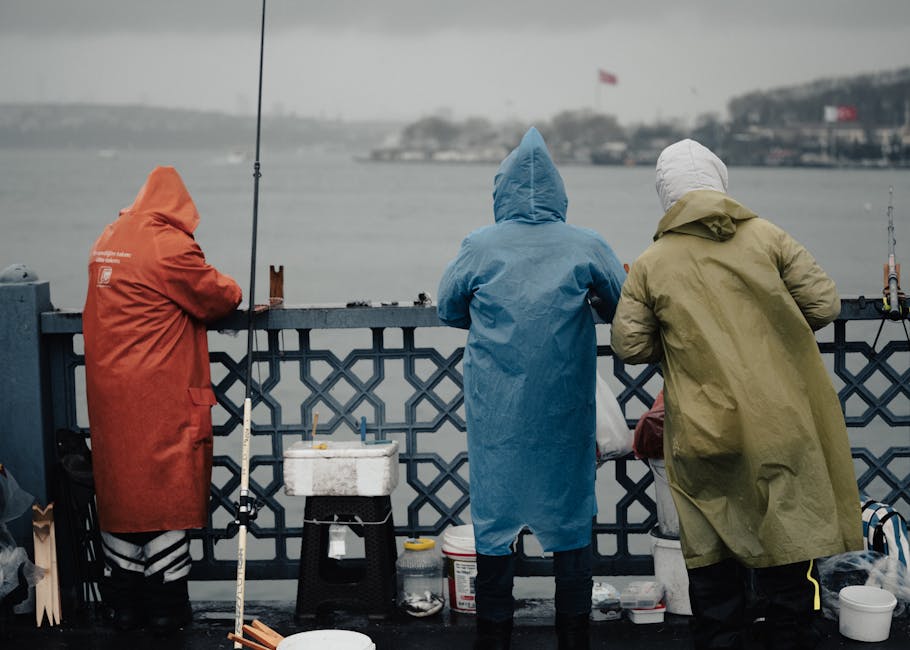
Navigating the monsoon season in India requires a strategic approach to one’s wardrobe that transcends mere aesthetics. While many shoppers view rainwear as a seasonal afterthought, the reality is that the best raincoat on Flipkart represents a sophisticated intersection of textile engineering and ergonomic design. The average raindrop falls at roughly 20 miles per hour, hitting your clothes with enough force to penetrate standard knit fabrics almost instantly. In the context of the Indian monsoon—where humidity often hovers at 90% and rainfall can be torrential—the stakes for choosing the right gear are high. I spent several days analyzing the current catalog on Flipkart, filtering through thousands of user reviews, and cross-referencing material specifications to determine which brands actually hold up when the clouds burst. It is not just about staying dry; it is about finding a garment that survives more than one season without the seams disintegrating or the inner lining peeling off like a bad sunburn.
What is the difference between water-resistant and waterproof raincoats on Flipkart?
When you are scrolling through listings for the best raincoat on Flipkart, you will encounter a lot of marketing jargon that intentionally blurs the line between ‘water-resistant’ and ‘waterproof.’ From a technical standpoint, these are not interchangeable terms. Water-resistance usually implies a DWR (Durable Water Repellent) coating on the exterior of the fabric. This causes water to bead up and roll off, but under the pressure of a sustained downpour or the weight of a backpack strap, the moisture will eventually be forced through the fibers. For a casual walk from the car to the office, this might suffice. However, for anyone facing a Mumbai or Bangalore monsoon, true waterproofing is the only logical choice.
True waterproofing involves a solid barrier, typically a laminated membrane or a heavy coating of PVC (Polyvinyl Chloride) or PU (Polyurethane). PVC is the classic ‘yellow slicker’ material—it is 100% waterproof but has zero breathability. You will stay dry from the rain but end up soaked in your own sweat. Modern polyester blends with PU coatings, which you often see from brands like Wildcraft, offer a middle ground. They utilize a microscopic pore structure that is too small for liquid water to enter but large enough for water vapor (sweat) to escape. When evaluating a product, look for the ‘Hydrostatic Head’ rating. While rarely listed explicitly on Flipkart, a good rule of thumb is that any jacket claiming ‘heavy rain protection’ should effectively withstand 5,000mm to 10,000mm of water pressure. If a listing focuses more on the ‘look’ than the material density, it is likely a fashion-first piece that will fail in a real storm.
The Science of Breathability and MVTR
Beyond simple waterproofing, a high-quality raincoat must address the “sauna effect.” This is measured by the Moisture Vapor Transmission Rate (MVTR), which determines how many grams of sweat vapor can pass through a square meter of the fabric in 24 hours. On Flipkart, premium models from Wildcraft often feature an MVTR of around 5,000g/m², which is essential for the humid Indian climate. Without this breathability, the temperature inside the coat rises rapidly, leading to discomfort and dampness from within, even if the exterior remains bone dry. When shopping, prioritize garments that mention “breathable mesh lining” or “ventilation flaps,” as these are physical workarounds for lower-cost fabrics that lack advanced membrane technology.
Key Material Specs to Look For
- Polyester with PVC Backing: High durability, heavy weight, excellent for bike riders who face high-velocity rain. It is virtually impenetrable but offers low breathability.
- Nylon Ripstop: Lightweight and resistant to tearing; usually found in higher-end trekking raincoats. The “ripstop” pattern prevents small snags from turning into large holes.
- Taped Seams: This is the most critical detail. Even the best fabric will leak if the needle holes from the stitching aren’t sealed with waterproof tape on the inside. Look for the phrase “fully seam-sealed” in the product description.
- TPU Lamination: Thermoplastic Polyurethane is a more eco-friendly and flexible alternative to PVC, often found in mid-to-high range rainwear for better movement.
Which are the best raincoat brands on Flipkart for heavy monsoon rain?

The Flipkart marketplace is flooded with generic brands, but three names consistently rise to the top based on material consistency and construction quality: Wildcraft, Zeel, and The Clownfish. Each caters to a slightly different demographic, and understanding their build philosophy is essential before clicking ‘buy.’ After looking at the return rates and long-term durability complaints in various forums, it becomes clear that spending an extra few hundred rupees often saves you from buying a replacement three months later. The budget ‘no-name’ transparent ponchos you see for ₹200 are essentially disposable; they are fine for a single football match but useless for a daily commute.
| Brand & Model | Approx. Price | Material Spec | Primary Pro | Primary Con |
|---|---|---|---|---|
| Wildcraft Men Solid Raincoat | ₹1,800 – ₹2,400 | PU Coated Polyester | High breathability and brand warranty | Higher price point compared to local brands |
| Zeel Men Self Design Raincoat | ₹800 – ₹1,200 | Heavy-Duty PVC/Nylon | Heavy-duty protection for bikers | Can be quite heavy and bulky to carry |
| The Clownfish Double Layer | ₹1,100 – ₹1,500 | Double Layer Polyester | Excellent aesthetic and pocket placement | Inner lining can sometimes snag on zippers |
| Bulfyss Unisex Poncho | ₹500 – ₹700 | EVA (Ethylene Vinyl Acetate) | Easy to throw over a backpack | Flaps around excessively in high winds |
| Versalis Premium Rain Suit | ₹1,300 – ₹1,700 | Nylon with Rubberized Lining | Extremely rugged; great for heavy winds | Stiff fabric limits mobility slightly |
Wildcraft: The Premium Performer
Wildcraft is generally considered the gold standard for outdoor gear in India. Their raincoats usually feature a polyester shell with a high-quality PU coating. What sets them apart is the ergonomic fit. They don’t just feel like a plastic bag; they are cut to allow movement. The zippers are usually YKK or of similar high quality, which is often the first point of failure in cheaper coats. If you are someone who hikes or walks long distances, the breathability of a Wildcraft coat is worth the ₹2,000 investment. Specific models like the “Wildcraft Pro” series offer reinforced elbows and knees, which are prone to wear. Pro: Taped seams that actually stay sealed. Con: The fabric is thinner than Zeel, which might feel ‘less sturdy’ to some, even though it’s technically superior.
Zeel: The Biker’s Choice
If you spend your monsoon on a Royal Enfield or a Scooty, Zeel is likely your best bet. Their raincoats are notoriously thick. They often use a ‘self-design’ fabric which is essentially a textured PVC or heavy-duty polyester. The weight of the coat prevents it from flying up while you are riding at 40 km/h. Most Zeel models come with a pant-and-jacket set, which is mandatory for two-wheeler commuters. They also feature high-collar designs with Velcro closures to prevent water from entering through the neck area. Pro: Incredible water resistance even in hours-long storms. Con: It takes a long time to dry out once you get indoors, and it occupies a lot of space in your bag.
The Clownfish: Fashion Meets Function
For those who prioritize style alongside utility, The Clownfish offers designs that mimic high-street trench coats and parkas. Their “Double Layer” series is particularly popular on Flipkart because it uses a soft-touch outer fabric that doesn’t have the “crinkly” plastic sound of traditional rainwear. These models often include sophisticated features like adjustable waist belts and hidden hoods. Pro: Stylish enough for corporate environments. Con: The double-layer construction makes it heavier and slower to dry than single-layer technical shells.
How to choose a raincoat based on your daily commute and style?
Your choice of the best raincoat on Flipkart should be dictated by your ‘exposure time.’ I categorize users into three groups: the ‘Last Mile’ commuter, the ‘Two-Wheeler’ warrior, and the ‘Outdoor’ enthusiast. Each requires a different silhouette. A ‘Last Mile’ commuter—someone who walks from the metro to the office—doesn’t need a heavy two-piece suit. A sleek trench-style raincoat or a long coat that covers the knees is often enough. These are more ‘fashion-forward’ and won’t look out of place in a professional setting. Look for brands like ‘The Clownfish’ for these styles, as they often include belts and better-tailored collars.
For the two-wheeler warrior, style is secondary to staying dry. You need a two-piece suit with an elasticated waist and, crucially, a hood that can fit under (or comfortably around) a helmet. Look for ‘double-flap’ zipper covers. This is a strip of fabric that buttons over the zipper to prevent water from seeping through the teeth—a common failure point in high-speed rain. Also, ensure the raincoat has reflective strips. Visibility drops to near zero during heavy Indian downpours, and being seen by trucks and cars is a genuine safety requirement. Don’t compromise on this for a ‘cooler’ all-black look.
Critical Design Features to Check
- Adjustable Cuffs: Velcro or elastic cuffs prevent water from running down your arms when you lift your hands (like when holding handlebars or an umbrella).
- Hood with Drawstrings: A hood without a drawstring will blow off your head the moment a gust of wind hits. Look for hoods with “stiffened bills” to keep water out of your eyes.
- Internal Pockets: If you carry a smartphone or wallet, an internal ‘dry pocket’ is a lifesaver. Never trust external pockets, even if they have flaps, for electronics.
- Ventilation Slits: Look for ‘caped’ backs or underarm vents. These allow hot air to escape without letting rain in, significantly reducing the ‘sauna effect.’
- Quality of Hardware: Plastic zippers are less likely to corrode in the rain than cheap metal ones, but high-grade treated metal or YKK zippers are the gold standard.
Safety Tip: If you are buying a raincoat for biking, always opt for bright colors like neon yellow, orange, or at least a model with significant 3M reflective piping. The ‘best’ raincoat is one that keeps you dry and visible to other drivers in low-visibility conditions.
Common Mistakes When Buying Rainwear Online

One of the most frequent errors shoppers make on Flipkart is ignoring the “sizing up” rule. A raincoat should never be a skin-tight fit. You must account for the layers you are wearing underneath, such as a formal blazer, a sweater, or even a small laptop backpack. If you buy your exact t-shirt size, the tension on the seams when you move will eventually cause the waterproofing tape to peel away. Always look for a “relaxed fit” or buy one size larger than your standard garment size.
Another mistake is falling for the “ultra-lightweight” trap without checking the material. While lightweight is good for hiking, an ultra-thin raincoat on a motorcycle will flap violently, which not only distracts the rider but also causes the fabric to fatigue and tear. For high-speed travel, weight is actually your friend as it provides stability. Lastly, don’t ignore the length of the trousers in a rain suit. If they are too short, water will simply run off the jacket and directly into your shoes, defeating the purpose of the entire outfit.
How do you maintain the waterproofing on a budget raincoat?

Even the most expensive raincoat from Flipkart will eventually lose its ability to bead water. This happens because the DWR coating on the exterior wears off due to friction, dirt, and body oils. Many people assume their raincoat is ‘broken’ when the fabric starts looking dark and saturated (this is called ‘wetting out’). In reality, the waterproof membrane inside is likely still fine, but the saturated outer fabric is blocking breathability, making you feel wet from sweat. To maintain your raincoat, you should never wash it with standard laundry detergent. The harsh chemicals in detergents break down the water-repellent finish and can even dissolve the seam tape over time.
Instead, use a technical wash or simply wipe it down with a damp cloth. If you must machine wash it, use a gentle cycle and a specialized cleaner like Nikwax. One trick I’ve learned through years of testing outdoor gear is the ‘dryer revive.’ Most DWR coatings are heat-activated. If your raincoat is starting to soak up water, putting it in a tumble dryer on low heat for 15-20 minutes can often ‘reset’ the chemical bond of the water repellent, making water bead up like new again. However, check the care label first—PVC coats will melt in a dryer, so this only applies to polyester or nylon jackets.
Storage is the other silent killer of raincoats. Most people fold their wet raincoat and shove it into a small pouch or under a bike seat. This is a recipe for mold and ‘delamination’—where the waterproof coating peels away from the fabric. Always hang your raincoat in a well-ventilated area until it is bone dry before folding it. If you notice a small leak in a seam, don’t throw the coat away. You can buy ‘Seam Grip’ or waterproof repair tape for a few hundred rupees, which can extend the life of a ₹1,500 investment by several years. Being a researcher of quality means looking at the total cost of ownership, not just the initial checkout price on Flipkart.
Summary of Care Instructions
- Never use fabric softeners: They coat the fibers in a way that attracts water rather than repelling it, effectively killing the DWR.
- Avoid dry cleaning: The solvents used will destroy the waterproof membranes and melt the seam tapes instantly.
- Spot clean first: Use a soft sponge and cold water for 90% of stains. Mud is best removed once it has dried and can be brushed off.
- Re-waterproof annually: Use a spray-on DWR treatment (like those from Decathlon or specialized brands) if the water stops beading after a heavy season of use.
- Check the Zippers: Periodically rub a bit of candle wax or specialized zipper lubricant on the teeth to prevent them from snagging or oxidizing.