Here is the misconception worth clearing up immediately: most first date outfit advice is designed to make you feel heard, not to actually help you get dressed. “Wear something that feels like you.” “Express your personality.” “Confidence is your best accessory.” None of this tells you whether to wear the midi dress or the trousers.
This is a practical guide. It treats the first date restaurant outfit like a logistical problem with real constraints — you do not want to overshoot the venue’s dress code, undershoot and feel underdressed next to your date, or spend the evening adjusting something that does not fit right. The goal is simple: get out of your head and stay in the conversation.
This is not a style rule. These are observations from tracking what actually works across different restaurant settings and body types.
Why Generic First Date Outfit Advice Keeps Failing You
The standard advice — “wear something you already own and love” — sounds reasonable until you are standing in front of your closet at 6pm wondering why nothing looks right. The problem is not your wardrobe. The problem is that first date dressing sits at an uncomfortable intersection of three competing pressures: wanting to look attractive, wanting to look effortless, and needing to be physically comfortable enough to eat, talk, and sit for two hours without distraction.
Most advice addresses only the first pressure.
What actually matters more: fit and proportion over trend. A well-fitted pair of dark straight-leg jeans from Madewell will outperform a trendy but slightly-too-tight mini dress every time — not because it is more attractive in theory, but because you will not spend the meal tugging it down. First date anxiety already occupies enough mental bandwidth. Your outfit should not add to it.
There is also a venue mismatch problem. Wearing a floor-length Reformation gown to a casual neighborhood wine bar signals you either did not read the room or you are trying too hard. Both create friction before you have said a word. Showing up in athleisure to a nice Italian spot communicates the same thing in reverse. Neither is fatal. Both are avoidable.
The other piece of advice worth pushing back on: “dress for yourself, not for your date.” It is true that you should feel comfortable in what you are wearing. But ignoring the social context of a first date entirely is also naive. You are going somewhere specific, at a specific level of formality, to make an impression on a specific person. These are real variables. Pretending they do not exist does not make you authentic — it makes you underprepared.
The actual goal of a first date outfit
Your outfit should do one job: put you in a mental state where you are focused on the conversation rather than your appearance. Everything else — attractiveness, style, personality expression — is secondary to that functional goal. Once you reframe it this way, getting dressed becomes much easier.
How the Restaurant Type Changes Everything
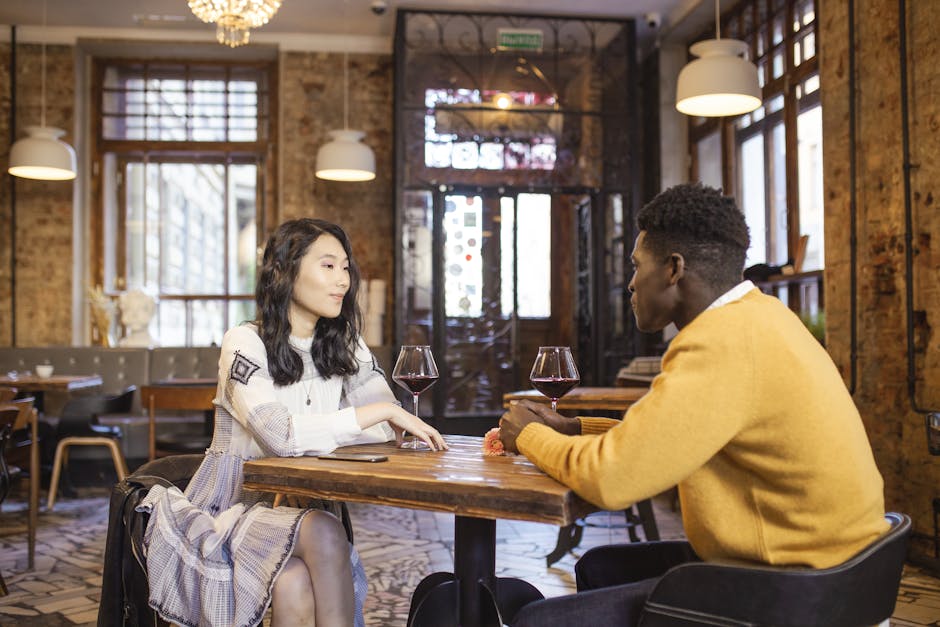
Before you open your closet, you need to know where you are going. The single biggest mistake is applying a one-size-fits-all approach to restaurant outfit planning. A rooftop cocktail bar in a city center has a completely different dress expectation than a cozy neighborhood pasta spot — and both differ from a Michelin-starred tasting menu restaurant.
| Restaurant Type | Dress Code Reality | Outfit Formula | What to Avoid |
|---|---|---|---|
| Casual neighborhood bistro or wine bar | Smart casual. Jeans are fine. Sneakers can work. | Dark straight-leg jeans + silk or satin blouse + ankle boots | Formal gowns, heavy sequins, stilettos on cobblestone |
| Mid-range Italian or Mediterranean | Smart casual to slightly dressy. No sportswear. | Wrap dress or midi skirt + fitted top + block-heel mule | Overly casual denim, athleisure, flip-flops |
| Upscale contemporary or modern American | Business casual minimum. Most guests will be in dresses or trousers. | Tailored wide-leg trousers + fitted blouse + low heel or loafer | Jeans (even dark ones), sneakers, anything too casual |
| Rooftop bar or cocktail lounge | Trendy and put-together. Fashion-forward works here. | Slip dress + leather jacket + ankle boot, or satin co-ord set | Conservative or overly formal looks; anything that reads daytime |
| Fine dining or tasting menu | Semi-formal. Some restaurants still enforce a dress code. | Midi dress or elegant jumpsuit + heels or dressy flat | Jeans, casual sneakers, loud prints that distract |
Bottom Line: If you do not know the restaurant’s vibe and cannot check their website or Instagram, default to smart casual — dark jeans or a midi dress in a neutral color. You will fit almost anywhere.
Three Outfit Formulas Worth Memorizing
These are not trends. They are structural approaches that work regardless of season or body type. Each holds up across different restaurant settings and levels of formality.
- The Elevated Casual: Dark Jeans + Intentional Top + One Statement Piece
Dark or black straight-leg jeans — Madewell’s Column Straight or AGOLDE’s 90s Pinch Waist both hold their shape well through a full evening — paired with a silk or satin blouse in a solid color or minimal print. Add one statement: a quality blazer, an interesting bag, or a bold earring. The jeans signal you are relaxed; the blouse and statement piece signal effort. This formula works for roughly 80% of casual-to-smart-casual restaurant first dates.
- The Dress Formula: Midi Length, Fitted Through the Waist, Comfortable Enough to Sit In
A midi dress that hits below the knee does several things well. It photographs cleanly, it does not ride up when you sit, and it reads as intentional without looking overdressed. Reformation’s Tulum slip dress and their Lysander style are cut well for this purpose. Wrap dresses from & Other Stories consistently earn repeat wears because the adjustable waist means they actually fit. Avoid anything with a structured bodice that does not allow for a full meal — comfort matters more than silhouette here.
- The Trousers Approach: Wide-Leg or Straight Trousers + Fitted Top + Quality Shoe
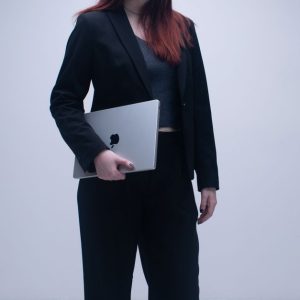
Wide-leg trousers from Zara or ASOS, paired with a simple fitted top or bodysuit, and a loafer, mule, or low block heel. This reads as fashion-forward but put-together. The shoe does the heavy lifting — a good leather loafer (Everlane’s Day Loafer sits around $168) elevates the whole outfit. This formula works especially well for upscale casual restaurants where jeans feel too casual but a dress feels too formal.
All three share a common thread: a clear fit, minimal fussing required once you leave the house, and enough flexibility to look appropriate whether your date is underdressed or overdressed relative to you.
Specific Pieces Worth Knowing About

Category advice only gets you so far. Here are specific items across different price points that have earned consistent wear for this exact context.
Dresses under $150
Zara’s satin slip dresses (usually $49–$69) drape cleanly and photograph well. The caveat: sizing runs small and the color is not always true online — order two sizes if you are between. ASOS’s wide selection of midi wrap dresses gives more fit options, particularly if you have a longer torso. The Unique21 brand on ASOS consistently hits the smart casual mark at around $40–$60 per piece.
Dresses in the $150–$350 range
Reformation dominates this range for restaurant dressing. The Ceres midi, the Tulum slip, and the Lysander all share a waist-defining cut that works well in a seated setting. Saylor and Likely (both available at Nordstrom) produce well-made options in the $180–$250 range that hold up across multiple wears. & Other Stories consistently delivers interesting fabric choices — their satin bias-cut pieces are worth checking each season.
Tops and separates that work
Madewell’s satin cami tops ($68–$78) pair with almost anything and tuck cleanly into trousers or a skirt. The Treasure & Bond line at Nordstrom hits the elevated-casual mark consistently. For blazers that work over both jeans and dresses, H&M’s Premium selection has outperformed its price point in cut and fabric — specifically their single-button styles in camel or deep green, usually under $80.
What Actually Goes Wrong
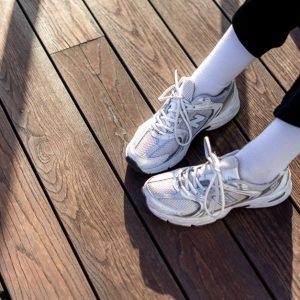
New shoes. That is the single most common first date outfit mistake. Brand-new heels on a night that involves walking from a parking spot, possibly waiting at a bar, and sitting for two hours is a guaranteed blister situation. Save the new shoes for date three.
Over-dressing for the venue by two or more levels is the second mistake. A floor-length formal gown at a casual neighborhood restaurant does not read as effort — it reads as someone who did not look up where they were going. Neither impression helps.
The third: wearing anything that requires maintenance. A white top you will be monitoring all night. A wrap dress with a tie that comes undone. A top that needs constant tucking. If you are adjusting your outfit more than once during dinner, it is the wrong outfit.
The Get-Dressed Decision Framework
Do I actually know what kind of restaurant this is?
Check their Instagram or Google Maps photos before you finalize your outfit. Look at what other guests are wearing in tagged photos — not the food shots. If the restaurant has no tagged photos and you cannot find any reference, default to smart casual: dark jeans or a midi dress in a neutral color, one thoughtful accessory. You will fit almost anywhere with that combination.
Have I worn this exact combination before?
If the answer is no, do a trial run the night before. Sit down in it. Eat something while wearing it. See if the waistband shifts, if the neckline needs adjustment, if the shoes are actually comfortable after an hour. A first date is not the time to test unknowns. Your most reliable, already-proven outfit almost always beats the new dress you ordered last Tuesday.
What is the weather doing, and what is the walk from the car?
A silk midi dress in November without a coat plan is a comfort problem. Stilettos on a city street with cobblestones is a safety problem. Solve both before you leave the house, not while you are walking to the restaurant. These are logistics, not style questions.
Does this outfit feel like mine, or am I auditioning a character?
This is the one useful version of “dress for yourself” advice — not as a vague platitude, but as a practical filter. If you would feel like you are wearing a costume rather than clothes, skip it. An outfit that makes you feel watched rather than comfortable will show in how you carry yourself all evening. The goal is a polished version of yourself, not an entirely different person.
First date outfit advice will keep evolving with trends, but the underlying problem stays the same: reducing cognitive friction before a high-stakes social event. The formulas above hold up because they are built on fit, venue-awareness, and comfort — none of which is going out of style.