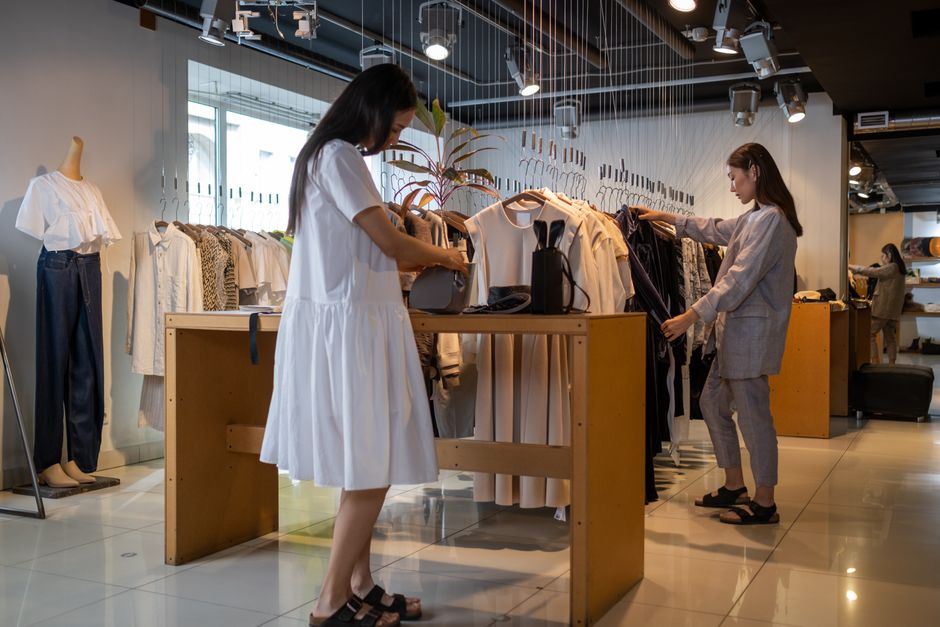
The fashion industry produces 92 million tons of textile waste every year. That’s a garbage truck full of clothes dumped every second. Most of it comes from cheap fast fashion that falls apart after three washes.
You don’t need to spend a fortune to dress sustainably. In fact, shopping smarter often costs less. Here’s how to do it without sacrificing style or your wallet.
Why Sustainable Fashion Feels Expensive (and Why It’s Not)
A $200 organic cotton shirt from Patagonia looks pricey next to a $15 fast-fashion tee. But the Patagonia shirt lasts five years. The fast-fashion tee lasts five washes. Cost per wear? Patagonia: $0.11 per wear. Fast fashion: $3.00 per wear.
The real problem isn’t price. It’s perceived value. Most people see the upfront cost, not the lifetime cost.
The Hidden Cost of Cheap Clothes
Cheap clothes are made from polyester blends that pill, fade, and lose shape fast. They can’t be repaired easily. And they end up in landfills within months.
Buying one quality piece for $80 that lasts three years beats buying eight $10 pieces that last three months each. You save $40 total and produce far less waste.
What “Sustainable” Actually Means for Your Wallet
Sustainable fashion isn’t just about fabric. It’s about durability, timeless design, and resale value. A classic Everlane cashmere sweater holds 60% of its value after a year on resale sites. A fast-fashion sweater is worth zero.
That means you can recoup part of your investment when you’re done with a piece. That’s something you can’t do with cheap clothes.
How to Thrift Like a Pro (Without Wasting Time)
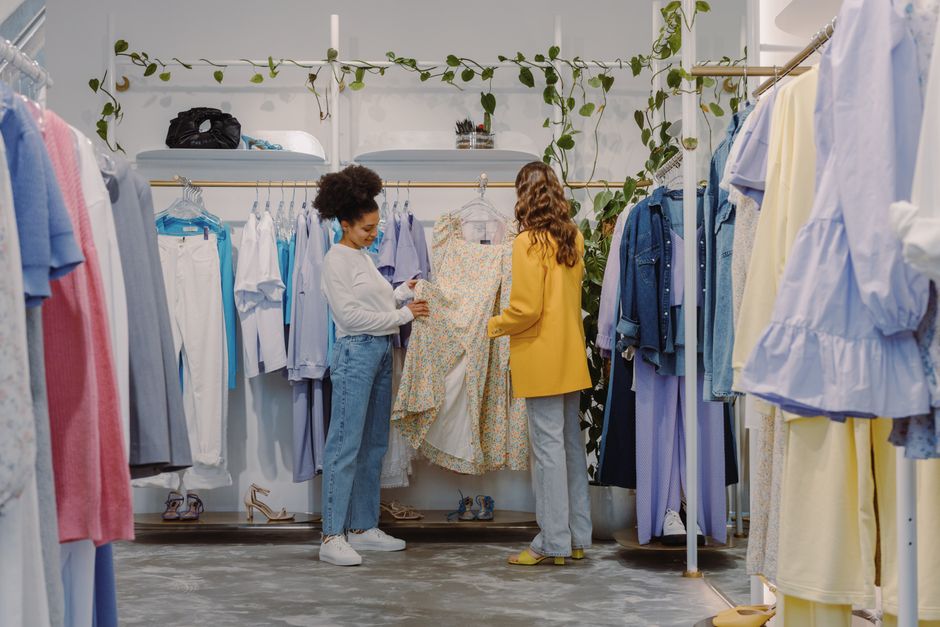
Thrift stores are packed with sustainable finds at 90% off retail. But you can’t walk in blind. You need a system.
Skip the chaos. Go on weekday mornings when shelves are freshly stocked. Bring a measuring tape. Know your measurements: chest, waist, inseam. Sizes vary wildly between brands and decades.
The 5-Second Fabric Test
Touch every piece before you pull it off the rack. Natural fibers win: cotton, linen, wool, silk, cashmere. Polyester and acrylic? Put them back. They pill, they smell, and they don’t breathe.
Look for These Brands
Certain brands hold up better and resell well. Grab these when you see them: Levi’s (especially vintage denim), Patagonia (fleece and outerwear), Carhartt (workwear), Ralph Lauren (button-downs), and Brooks Brothers (suits and blazers).
Check the care tag. If it says “dry clean only,” budget $5-10 per cleaning. That’s fine for a $200 wool coat. Not fine for a $10 polyester dress.
What to Never Buy Used
Skip used underwear, swimwear, and shoes that can’t be resoled. Also avoid anything with permanent stains, broken zippers, or missing buttons unless you can fix them yourself.
| Item Type | Buy Used? | Why |
|---|---|---|
| Denim jeans | Yes | Vintage denim is often higher quality than new. Levi’s 501s from the 90s are thicker and better constructed. |
| Wool coats | Yes | Dry clean once. Look for 100% wool or cashmere blends. Avoid polyester. |
| Cotton t-shirts | Yes | Check for pilling and stretched collars. Patagonia and Everlane tees hold up well. |
| Sneakers | Maybe | Only if the sole is intact and the insole is removable. Replace the insole. |
| Dress shoes | Yes | If they can be resoled. Allen Edmonds and Red Wing are good bets. |
| Underwear | No | Hygiene. Just buy new. |
The Biggest Mistake People Make When Trying to Dress Sustainably
They buy cheap “sustainable” brands.
A $40 “eco-friendly” dress from a trendy Instagram brand is still cheaply made. It’s probably polyester with a green label. That’s greenwashing. Real sustainability means durability, not marketing.
Here’s what greenwashing looks like:
- Vague claims like “eco-conscious” or “planet-friendly” with no certification.
- Fabric blends that are mostly polyester with a tiny percentage of organic cotton.
- No transparency about factories or supply chains.
If a brand can’t tell you exactly where and how a garment was made, assume it’s not sustainable.
How to Verify a Brand’s Claims
Look for third-party certifications. GOTS (Global Organic Textile Standard) for organic fibers. OEKO-TEX for chemical safety. Fair Trade Certified for worker conditions.
Check the brand’s “About” or “Sustainability” page. If it’s just a paragraph of buzzwords, move on. Good brands post factory audits, material sourcing details, and repair programs.
When Buying New Is Better Than Used
Some items are worth buying new for sustainability reasons. Underwear, socks, and activewear benefit from newer fabric technologies that reduce microplastic shedding. Patagonia and Girlfriend Collective make recycled polyester activewear that sheds less than standard synthetics.
Also, buying new from a truly sustainable brand supports the model. If everyone only thrifted, brands making genuine efforts would disappear.
Five Sustainable Brands That Won’t Break the Bank
You don’t need to spend $200 on a t-shirt. These brands offer quality, transparency, and reasonable prices.
- Uniqlo – Their “LifeWear” line uses recycled materials and basic designs that last. A cotton t-shirt costs $15 and holds up for years. Not perfect on sustainability, but better than most fast fashion.
- Everlane – Transparent pricing. A cashmere crewneck costs $130 and lasts. They publish factory audits and material costs.
- Patagonia – The gold standard. Their Worn Wear program lets you buy used gear at 50% off. New pieces are expensive, but they last forever and come with a repair guarantee.
- Levi’s – Their Water
- Muji – Japanese basics made from natural fibers. Linen shirts for $40. Cotton sweaters for $50. Simple, durable, and affordable.
For budget-conscious shoppers, Uniqlo and Muji are the best entry points. You get real quality without the premium markup.
How to Extend the Life of Every Garment You Own
The most sustainable garment is the one you already own. Making clothes last longer is free and easy.
Wash Less, Wash Cold
Washing clothes is the #1 cause of wear. Most items don’t need washing after every wear. Jeans: every 10 wears. Sweaters: every 5-10 wears. T-shirts: every 2-3 wears.
Wash in cold water (30°C or below). Hot water shrinks fibers and fades dyes. Cold water saves energy and keeps clothes looking new.
Air Dry, Don’t Tumble
Dryers destroy clothes. Heat breaks down elastic fibers, shrinks natural fibers, and causes pilling. Hang dry everything. It takes a few hours longer but adds years to your clothes.
If you must use a dryer, use the lowest heat setting and remove clothes while still slightly damp.
Learn Basic Repairs
A loose button takes 30 seconds to fix with a needle and thread. A small hole in a sweater can be darned in 10 minutes. YouTube has free tutorials for both.
For bigger repairs, find a local tailor. Replacing a zipper costs $15-25. Hemming pants costs $10-15. That’s cheaper than buying new.
If you own a pair of Levi’s 501s that needs a new zipper, spend the $20 to fix them. Those jeans will last another five years. A new pair costs $70-100 and won’t fit the same.
Dressing sustainably on a budget isn’t hard. Thrift smart. Buy fewer, better pieces. Fix what breaks. Ignore greenwashing. Your wallet and the planet will thank you.