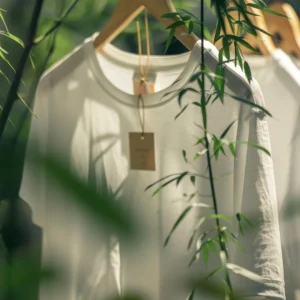
Minimalism is often framed as a style choice, something visible in the clothing someone wears, but in practice, it usually manifests as repetition. Minimalist wardrobes are not just about having fewer items; they are about relying on the same items often and returning to familiar shapes week after week. A truly minimalist wardrobe is smaller by design, not by accident. The goal is not just to own less but to own better, more reliable pieces.
Quantity tends to creep in when clothing does not hold up. Even the most carefully chosen pieces wear out eventually: fabrics stretch, colors fade, and shapes lose structure. When these issues occur, the natural response is to replace what no longer works, creating a cycle where the wardrobe looks full but feels unreliable. Over time, this leads to constant consumption rather than thoughtful use, leaving little satisfaction in the items you own. Minimalism in clothing isn’t about deprivation; it’s about reliability and consistency.
Investing in Better Basics: Where to Start
The foundation of a functional wardrobe lies in basics. These are the pieces that do the most work but often receive the least attention: underwear, socks, simple tops, layering pieces, and versatile bottoms. Because they are worn so frequently, their failures are far more noticeable than their successes.
When basics are made well, they almost disappear into daily life. A well-fitted t-shirt, a pair of socks that do not sag, or underwear that keeps its shape can be worn repeatedly without thought. The fabric feels the same after months of washing, the fit remains consistent, and nothing requires constant adjustment during the day. Starting with reliable pieces like high-quality essentials designed to last reduces the need to keep backups or replacements in rotation.
Building your wardrobe from the ground up with dependable basics makes managing the rest of your clothing easier. Fewer gaps appear, fewer emergency purchases are made, and each new item has a clear purpose within a cohesive collection.
Fabric, Fit, and Function
The story of a garment begins with its fabric. Lightweight or low-quality materials wear out faster, while stretch fabrics that fail to recover their shape lose their usefulness quickly. These issues often appear long before a piece looks visibly old, quietly undermining its reliability.
Fit is equally critical. Clothing that constantly slips, rides up, or requires adjustment tends to be avoided, regardless of style. Simple construction, predictable sizing, and comfort matter more than chasing the latest seasonal trend. Function and usability drive consistent wear more than fashion alone.
Cost Per Wear Is Not a Formula
Many people treat “cost per wear” as a precise mathematical formula, but it is mostly an observational principle. Clothes that last are worn frequently, while those that fail are replaced. Over time, the difference in value becomes apparent without extensive tracking. Spending less up front does not necessarily mean spending less overall. Investing in quality can prevent a cycle of repeated purchases, ultimately saving money and reducing waste.
Colour Limits Reduce Noise
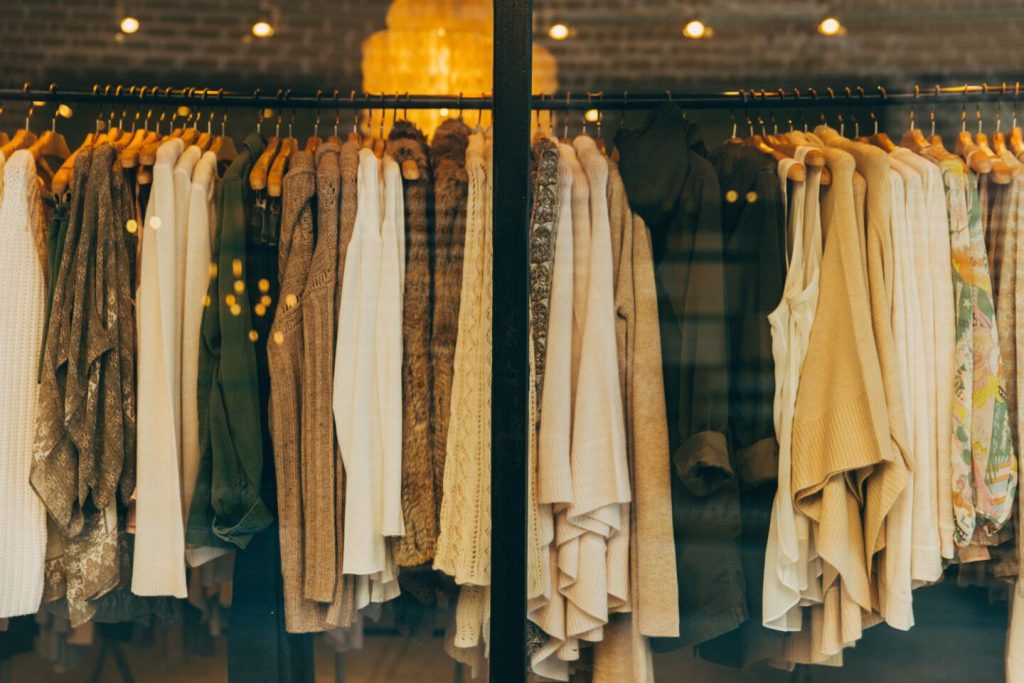
Limiting your wardrobe to a narrow color palette reduces decision fatigue. Neutral colors mix and match effortlessly, making daily dressing simpler and preventing items from sitting unused. Trendy colors may feel exciting initially, but they age faster and often clash with other pieces, adding friction rather than utility.
Fewer Clothes, Fewer Decisions
A wardrobe built around quality and function naturally limits the number of items needed. When pieces hold their shape and serve their purpose, there is less reason to shop constantly. Minimalism, in practice, often looks like this: fewer items, used more often, without thought or effort. The wardrobe works, not as a display of consumption, but as a tool for living efficiently and confidently.
By focusing on quality over quantity, your wardrobe becomes less about keeping up with trends and more about creating a consistent, functional, and enjoyable daily experience. Minimalism is not a style you wear; it is a lifestyle you live through the clothing you choose, wear, and care for.