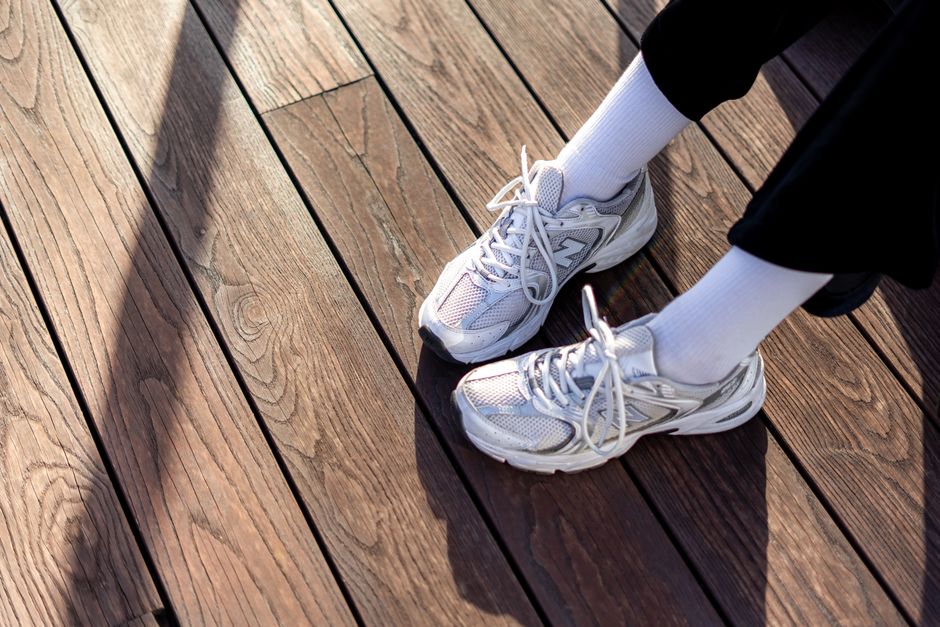
You spend $130–$160 on a pair of sneakers marketed specifically for everyday comfort, wear them through a full day of meetings, errands, and a long commute, and by 6 p.m. your feet are reminding you they exist. Both Allbirds and On Running have built their reputations on solving exactly this problem. But they solve it in fundamentally different ways — and buying the wrong one for your lifestyle is a common, fixable mistake.
The short answer: Allbirds wins for low-impact all-day casual wear; On Cloud wins when you need more structure and energy return over long distances. Everything else depends on specifics.
The Comfort Promise Both Brands Make — and Where It Breaks Down
Allbirds launched in 2016 with a single pitch: natural materials, minimal design, maximum softness. The Allbirds Tree Runner ($115–$130) uses eucalyptus fiber uppers and a proprietary SweetFoam midsole derived from sugarcane. It feels like a well-constructed slipper that earned a business casual pass. Most people who try it on in a store are immediately sold.
The problem shows up on pavement after mile three. SweetFoam, while genuinely soft, compresses quickly and offers limited rebound. For walking around an office or light urban errands over four to five hours, it performs well. Push into territory involving inclines, extended standing on concrete, or carrying a heavy bag, and the cushioning starts losing the argument.
On Running, the Swiss company behind the On Cloud line, took the opposite approach. Their CloudTec sole system — a series of hollow pods in the midsole — compresses on impact and then snaps back. The On Cloud 5 ($140) and the more cushioned On Cloudmonster ($160) both use this system, though the Cloudmonster adds significantly more foam volume for long-distance comfort.
Where On Cloud breaks down: the CloudTec pods create a slightly uneven contact surface that some users find uncomfortable on tile or polished hardwood. The general experience among long-term wearers is that this sensation fades after a break-in period of one to two weeks. Users with plantar fasciitis, however, have often reported that the pod structure aggravates rather than relieves heel pain — a meaningful caveat for that population.
Specs That Actually Matter: Side-by-Side

| Feature | Allbirds Tree Runner | On Cloud 5 | On Cloudmonster |
|---|---|---|---|
| Price (2026) | $115–$130 | $140 | $160 |
| Weight (Men’s size 9) | 9.2 oz | 8.9 oz | 10.8 oz |
| Stack Height | ~22mm heel / 16mm toe | ~28mm heel / 18mm toe | ~35mm heel / 27mm toe |
| Midsole Material | SweetFoam (sugarcane-based) | Helion foam + CloudTec pods | Helion foam + CloudTec pods |
| Upper Material | Eucalyptus fiber or Merino wool | Engineered mesh | Engineered mesh |
| Machine Washable | Yes | No | No |
| Best Use Case | Casual wear, light urban walking | Commuting, travel, light jogging | Long-distance walking, active days |
The Allbirds Wool Runner ($130) is worth a separate mention — Merino wool regulates temperature better than most synthetics, and the Wool Runner holds a clear advantage in cold-weather months over the Tree Runner’s eucalyptus upper.
How Each Brand Actually Feels After Six Hours on Pavement
This is where most comparisons stay vague. Specific data matters more than impressions.
Allbirds underfoot: the compression problem
The SweetFoam midsole in the Tree Runner delivers a genuinely soft sensation for the first two to three hours of wear. After that, compression set becomes a factor. The foam compacts under sustained load, and the cushioning feel diminishes noticeably on hard surfaces. This is a property of softer, low-density foams in general — not a defect unique to Allbirds.
Users above roughly 185 lbs typically notice the compression faster. The Tree Runner runs narrow through the midfoot, which creates pressure points for wider feet. Allbirds offers select wide options, but the range is limited compared to brands like New Balance or Brooks. Arch support is minimal — the Tree Runner is effectively a neutral shoe with a flat footbed. Mild overpronators generally manage fine; significant overpronators typically need an aftermarket insole.
On Cloud underfoot: energy return with a caveat
The Cloud 5’s CloudTec sole performs differently depending on surface. On soft or semi-soft ground, the pods compress smoothly and release energy through the stride. On polished tile, the pods produce a slight rocking sensation. Most wearers find this resolves naturally within two weeks of regular use.
The Cloud 5’s heel cup is snug without feeling restrictive. The toe box is moderately wide — better than the Tree Runner for wider feet, though not as generous as the Brooks Ghost 16 ($140). Energy return stays noticeably higher than Allbirds through a full day; where the Tree Runner’s foam has already compressed by hour five, the Cloud 5 typically still has some spring. The Cloudmonster, at $20 more, adds stack height that makes it a legitimate choice for people logging 8,000–12,000 steps daily — its cushioning volume approaches a dedicated running shoe.
Durability: On Cloud Has This Category
On Cloud’s high-abrasion rubber outsoles outlast Allbirds’ rubber coverage by a meaningful margin under equivalent daily use. Tree Runner outsoles show visible heel wear after roughly six months of daily walking for most users. The Cloud 5 generally maintains structural integrity through 400–500 miles of walking — approximately 12–18 months for a typical commuter — before pod rebound begins to degrade.
Five Situations Where Allbirds Is the Right Call
- You work from home or in a soft-floored office. Minimal pavement time means the SweetFoam compression issue rarely surfaces in a meaningful way.
- You care about verified sustainability. Allbirds carbon-labels every product and publishes full lifecycle assessments. On Running includes recycled content but does not match that level of transparency.
- You need a machine-washable sneaker. The Tree Runner handles a cold, gentle machine cycle without structural damage. The Cloud 5 does not.
- Your daily step count stays under 6,000. Light use keeps the foam performing within its design range.
- You want a shoe that reads casual rather than athletic. The Tree Runner pairs with denim and chinos in a way the Cloud 5 — which has a more sport-forward silhouette — does not.
When On Cloud Is the Smarter Investment

Buy the On Cloud 5 if you are covering real ground daily. The energy return and durability at a $10–$25 price premium over the Tree Runner represent genuine added value, not marketing.
For urban commuters walking 8,000-plus steps on mixed surfaces, the CloudTec rebound makes a measurable difference by the end of the day. For people with mild to moderate pronation, the Cloud 5’s structured heel counter provides corrective support the Tree Runner’s neutral platform cannot. For travel — airports, cobblestones, varied terrain — the pod sole adapts to surface irregularities that a flat midsole simply absorbs as impact.
One firm recommendation: if you are on your feet for eight or more hours routinely, step up to the Cloudmonster rather than the Cloud 5. The standard Cloud 5 is an excellent moderate-use shoe. The Cloudmonster is built for sustained high-load days and the $20 difference is well-justified for that use case.
What to Buy When Neither Brand Fits
Not everyone belongs in either camp.
- Significant overpronation: Brooks Adrenaline GTS 24 ($140) or New Balance Fresh Foam 1080v14 ($165). Both offer medial post support that neither Allbirds nor On Cloud provides.
- Plantar fasciitis: Hoka Bondi 8 ($165). Maximum-cushion platform distributes pressure more evenly than CloudTec pods, which have shown mixed results for heel pain in available user reports.
- Wide feet: New Balance 990v6 ($200) in 2E or 4E. Both Allbirds and On Cloud run narrow to standard; New Balance builds genuine wide-width construction, not just a wider label.
- Mixed walking and light running: On Cloudstratus ($170) handles the transition better than the Cloud 5, with dual-layer CloudTec designed for higher-impact movement patterns.
For four-hour casual days, the Allbirds Tree Runner typically delivers; for daily high-mileage pavement wear, the On Cloud 5 is the more durable and resilient investment at a price difference most budgets can absorb.