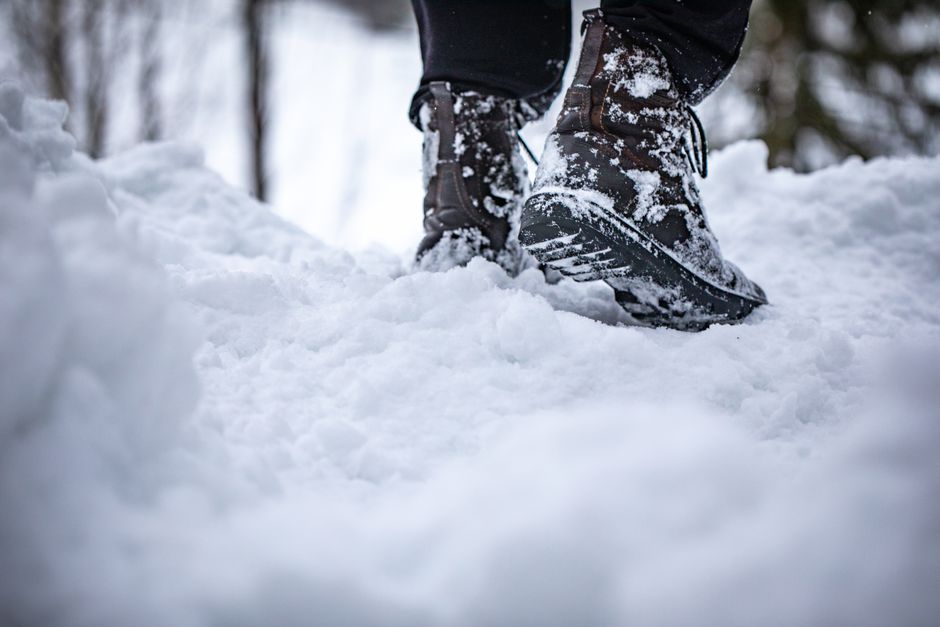
You get home in January with white rings around your boots, damp toes, and a dark patch across the leather. The common reaction is to scrub hard, add heat, and cover the surface in oil. That routine causes more damage than the pavement. Salt needs water to lift it, leather needs slow drying, and protection only works after the boot is clean.
The safest winter routine is simple: remove grit, dissolve salt gently, dry the boots at room temperature, restore lost moisture, then add a thin protective layer. The order matters more than owning a crowded shoe-care kit.
Why salt stains damage leather boots
Salt pulls moisture toward the surface
Road salt is not just a cosmetic nuisance. When salty slush dries on leather, the crystals draw moisture toward the surface and leave a pale, uneven mark. Repeated wet-and-dry cycles can make finished leather feel stiff. The salt also mixes with street grime, skin oils, and grit around the welt, creating a rough film that blocks the leather from looking even.
Smooth leather has a finish, but that finish is not a sealed plastic shell. Water can enter through seams, flex points, and tiny scratches. Salt water reaches those areas quickly because winter pavements keep boots wet for longer than a short rain shower.
Why rubbing dry salt makes the mark worse
Do not rub salt crystals into dry leather. A dry cloth can drag the crystals across the finish like fine sandpaper. You may remove the visible ring while creating dull streaks that catch light from every angle. Brushing helps with loose grit, but it does not replace a damp cleaning step.
The best verdict is clear: treat a salt mark as a water-soluble residue, not as a stubborn stain that needs force. Gentle moisture, patience, and a clean cloth beat aggressive scrubbing.
What to do when wet boots come home
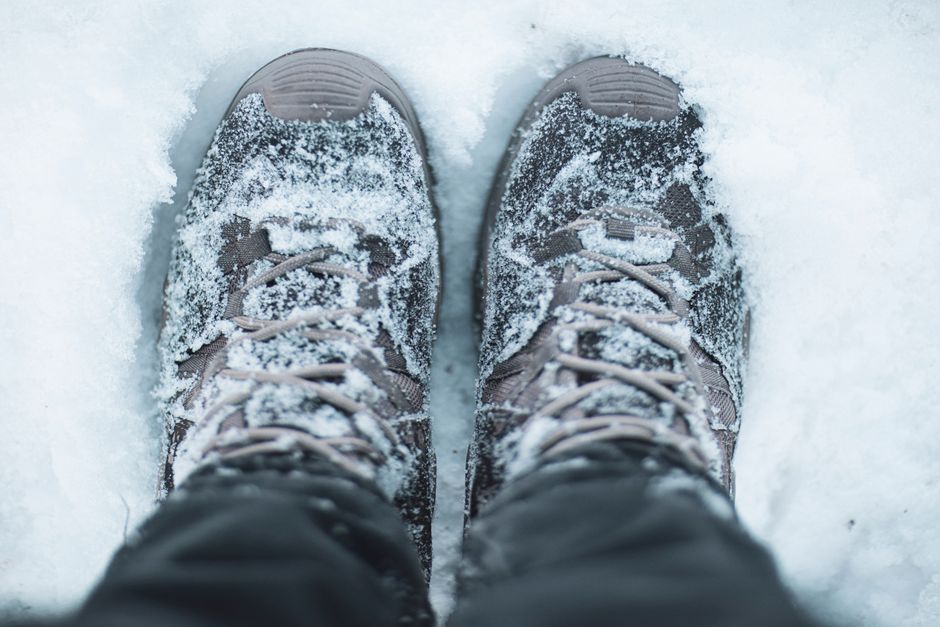
Step one: remove the dirt before drying
- Take out the laces and insoles so air can reach the inside.
- Brush off loose grit with a soft horsehair brush. Work from the shaft toward the toe.
- Blot standing water with a plain cotton towel. Do not twist the leather or press hard along the welt.
- Place unprinted paper or cedar shoe trees inside the boots. Use enough support to hold the shape, not enough to stretch the leather.
Step two: dry slowly and evenly
Dry slowly at room temperature. Keep the boots at least 60 centimetres from a radiator, heater, hair dryer, or heated floor vent. Direct heat pulls water out of the finish faster than the deeper leather can release it. That uneven shrinkage creates hard creases, cracked edges, and a distorted toe.
Change damp paper after two or three hours. Leave the boots alone for 12 to 24 hours, depending on how wet they became. A boot that feels dry outside may still hold moisture around the lining and toe box.
Step three: inspect before cleaning
When the surface feels dry and cool rather than cold or clammy, check the leather type. Smooth finished leather, suede, nubuck, patent leather, metallic leather, and coated fashion leather need different care. If the colour transfers onto a white cloth during a hidden-area test, stop. A professional cleaner is safer than continuing with a home treatment.
Which boot-care products earn a place in your cupboard
A small kit beats a shelf full of overlapping sprays. The products below have clear jobs and useful size or application details. Prices are manufacturer-listed or typical direct-store prices checked for 2026 and can vary by country.
Buy Bickmore Bick 1 when the main problem is salt on smooth leather. Pick Tarrago when one household spray must cover several materials. Choose Saphir Super Invulner for costly boots where colour change and a greasy feel would be unacceptable. None of these products removes the need for drying and testing a hidden area.
The best waterproofing choice for winter leather
Protection works as a barrier, not a force field
Spray after the boot is clean and dry. A protector reduces how quickly water and grime soak into the surface, but it does not make leather waterproof. Water can still enter through seams, tongue edges, worn finishes, and the opening around the ankle. This matters on wet pavements because boots often sit in salty puddles rather than facing a brief shower.
For most smooth leather fashion boots, Saphir Super Invulner is the strongest premium choice because it dries in 30 minutes, uses a 300 ml can, and avoids the heavy oily feel that some wax treatments leave behind. For suede, nubuck, and boots with textile panels, Tarrago High Tech Nano Protector is the more useful all-round pick. Its 250 ml size can treat up to eight pairs, and the manufacturer gives a 30-minute drying time.
When not to buy a waterproofing spray
Skip the spray if your boots have patent leather, metallic leather, or a delicate finish that already looks uneven. The wrong aerosol can create a cloudy film that polishing will not remove. Skip it if the boot is already cracked through the finish; protection will not repair that damage. Use a specialist cleaner or cobbler when the leather is valuable, colour transfers during testing, or salt has reached the lining.
Apply two light coats rather than one soaking coat. Ventilate the room, keep the can around 20 to 30 centimetres away, and let the boots cure before wearing them outside.
Mistakes that wreck boots faster than salt
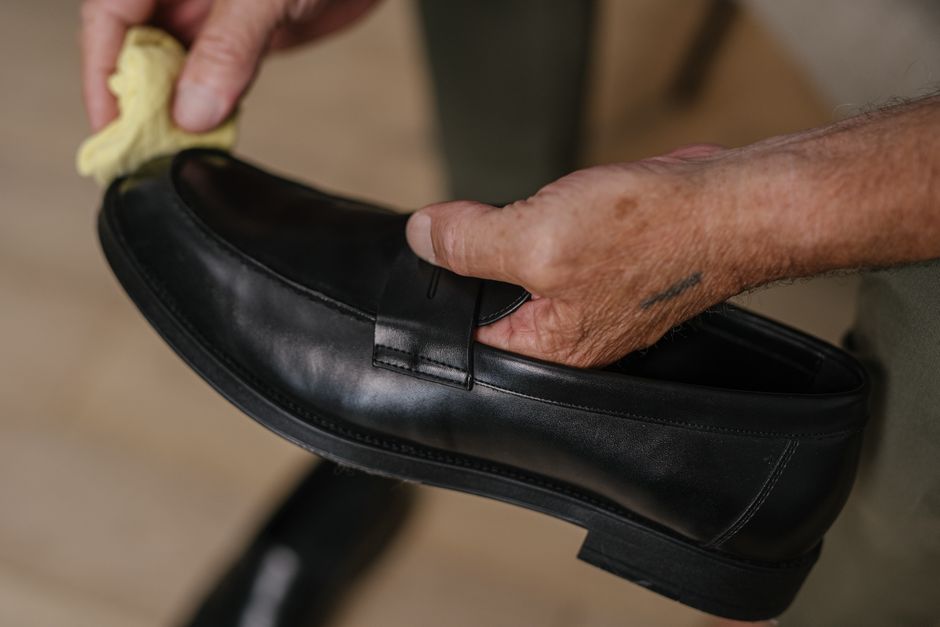
The six errors to avoid
- Putting wet boots beside a radiator. The outer finish dries first and shrinks against a wetter inner layer.
- Using saddle soap on every boot. It can be too strong for soft fashion leather and can remove finish or colour.
- Applying mink oil or heavy grease to sleek dress boots. These products can darken leather, soften structure, and make dust stick.
- Cleaning only the white ring. The untreated border often dries a different shade from the cleaned centre.
- Spraying protector over mud or salt. The coating can lock dirt into the surface and make the next cleaning harder.
- Wearing the same damp pair every day. Leather needs time to release moisture, and the lining needs even longer.
The failure mode people notice too late
The most expensive mistake is treating every leather boot as the same material. A smooth calfskin boot may tolerate a mild cleaner and conditioner. Suede needs brushing and a suede-specific process. Patent leather needs a clean, soft wipe and a product made for its glossy coating. Metallic finishes can lose their surface colour after one unsuitable solvent.
If you cannot identify the leather, start with the least aggressive option: dry brushing, a hidden-area test, and professional advice. A cheap home experiment can turn a repairable salt ring into a full refinishing job.
Should you condition, spray, or replace the boots?
Should I condition boots after every wet commute?
No. Condition when the leather feels dry, stiff, or less flexible, not after every walk through rain. Monthly care is enough for many fashion boots worn two or three times a week. Frequent conditioning can leave the surface soft and dull. Clean visible salt after each exposure, then condition only when the leather needs moisture.
Is a protector enough for boots worn in heavy snow?
No. For regular snow and deep slush, choose boots with a rubber lower section, sealed seams, or a waterproof membrane. A leather fashion boot with a spray protector is still the wrong tool for hours in wet snow. The best purchase is the boot that matches the exposure. Use the leather pair for short city trips and reserve a weatherproof pair for long walks.
When should I replace rather than restore?
Replace or repair the boots when the sole leaks, the welt has separated, the lining stays damp after a full day, or cracks expose the underlying leather. A pale salt ring is usually a care problem. A split seam is a construction problem. Cleaning can improve appearance, but it cannot rebuild a failed sole or waterproof a torn seam.
So when you return home at 7:30 on a wet January evening, brush away the grit, blot the water, and let the boots rest overnight. The next morning, dissolve the salt gently, condition only where the leather feels dry, and protect the clean surface. Those white rings no longer need a desperate scrub; they have a calm, repeatable fix.