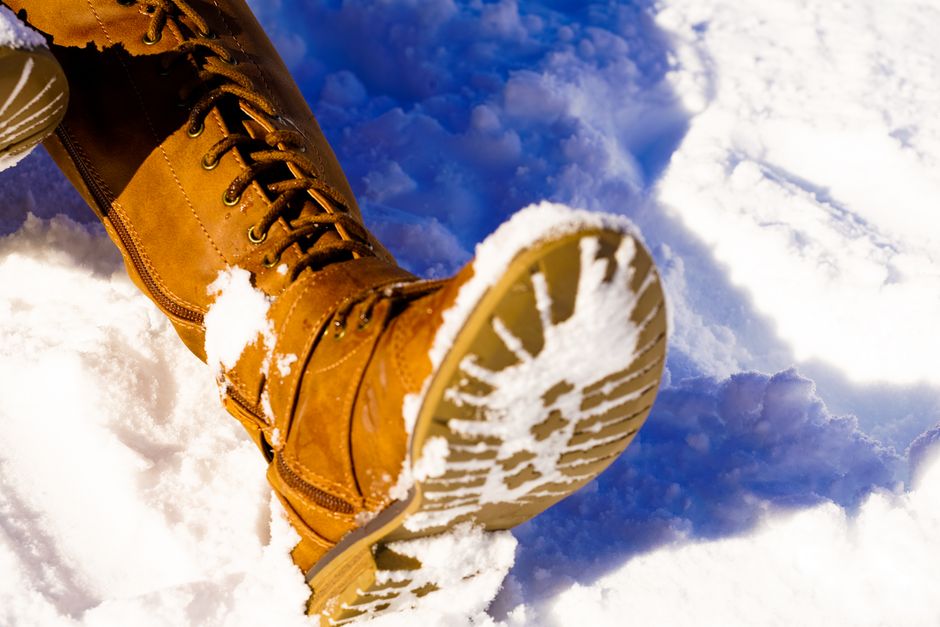
You leave home in polished trousers and a wool coat, then spend the first ten minutes of your commute thinking about your frozen toes. The problem is rarely the outfit; it is a boot that looks winter-ready but traps moisture, slips on pavement, or leaves cold air around the ankle.
The best shearling-lined boots balance insulation, weather protection, fit, and shape. Use the checks below to choose a pair that keeps you warm without making every outfit look like snow gear.
Warmth Starts with Dry Air, Not a Thick Lining
Shearling works because its wool fibers trap small pockets of air next to your skin. Those pockets slow the movement of heat away from your feet. The leather or suede outer layer adds another barrier, while the sole keeps cold ground from pulling warmth downward. This is the basic reason shearling-lined boots feel warmer than a thinly lined fashion boot, even when both pairs have a similar height.
Thickness alone does not decide warmth. A plush lining inside a damp, loose boot can feel colder than a modest lining inside a snug, sealed boot. Your foot also creates heat through movement. If the boot is too roomy, your heel lifts and your toes slide; if it is too tight, compressed wool loses some of its insulating air and your circulation suffers.
Heat comes from trapped air
Look for wool or shearling around the footbed, toe box, and sides of the shaft. A warm collar helps, but it cannot fix a cold sole or a gap around the ankle. Leave about 10 to 15 millimeters of space in front of your longest toe. That gives your toes room to move without leaving a large empty cavity that your body must warm.
Dry lining beats maximum pile
Moisture is the enemy of comfort. Sweat, melting snow, and wet socks flatten the fibers and make the boot feel clammy. Wear merino or synthetic socks instead of cotton, and let the boots dry fully between wears. Do not place suede or shearling directly on a radiator; intense heat can harden leather, shrink the lining, and crack adhesives.
The first verdict is simple: choose a boot with even insulation, a firm footbed, and enough room for circulation. A thick, fluffy collar is a style detail, not proof that the whole boot will keep you warm.
For Wet Snow, Waterproof Construction Beats Plush Shearling

Match the boot to the ground you will actually walk on. A dry, cold city street calls for a different build than slush, salted sidewalks, or deep snow. The table below gives the fastest way to rule out the wrong pair.
| Winter condition | Construction to choose | Construction to avoid |
|---|---|---|
| Dry cold below 32°F | Wool or shearling lining, insulated footbed, rubber outsole | Thin fashion lining and a smooth leather sole |
| Wet sidewalks and slush | Waterproof membrane, sealed seams, treated leather or rubber shell | Untreated suede with open stitching |
| Deep snow | Boot shaft above the snow line, gusseted tongue, lugged rubber sole | Short ankle boot with a low opening |
| Indoor-to-outdoor commuting | Moderate insulation, removable insole, flexible tread | Very heavy insulation that overheats indoors |
| Icy pavement | Rubber lugs with spaced edges and a stable heel | Flat fashion outsole or tall narrow heel |
Check the sole before the upper
Turn the boot over before you admire the color. You want a rubber outsole with visible texture across the heel and forefoot. A deep lug pattern helps in loose snow, while smaller multidirectional grooves feel easier to control on ordinary city pavement. No outsole guarantees traction on polished ice, so walk slowly and shorten your stride when the surface shines.
Read waterproof claims carefully
Water-resistant suede can handle light contact with moisture after treatment. It is not the same as a waterproof, seam-sealed boot. If the product page only says water-repellent, treat it as a dry-weather boot. For slush, choose waterproof construction and keep the top opening above the wet line. The clear winner for wet winters is a sealed boot with a rubber sole, even if its lining looks less dramatic.
For Daily City Wear, Pick a Short Shearling Boot
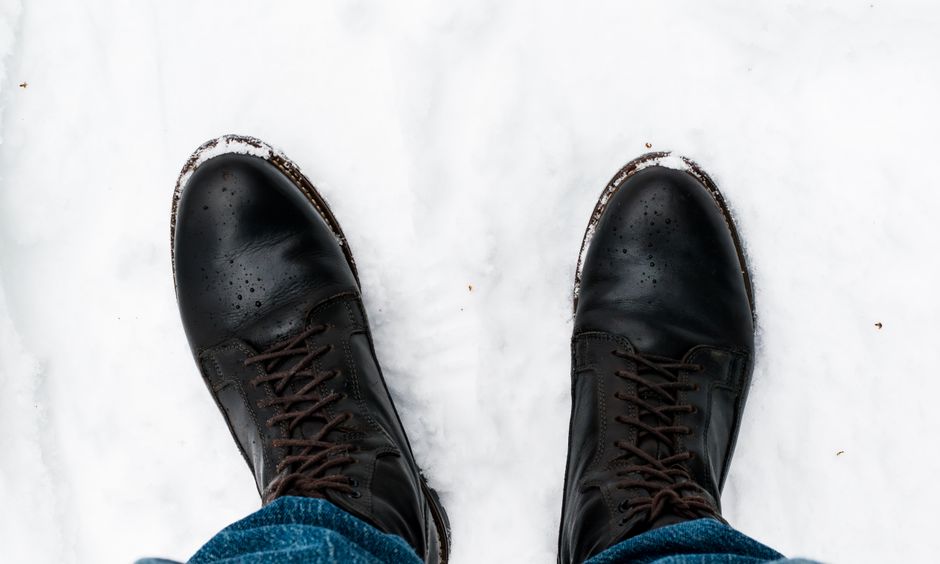
My style pick for most city wardrobes is a short shearling-lined boot in black, chestnut, or dark brown. A shaft around 5 to 6 inches works with straight jeans, leggings, midi skirts, and wide trousers without creating a bulky break at the calf. It also dries faster than a tall boot and feels less awkward when you move from a cold sidewalk into a heated building.
The UGG Mini Bailey Button II is the clearest casual example. Its US list price is $155, with a 5.5-inch shaft and 17-millimeter sheepskin lining in the upper, insole, and lining. The button detail gives it more shape than a plain slip-on, but the suede construction still suits dry sidewalks better than repeated slush. UGG lists the Mini Bailey Button II specifications and current price.
For a more polished outfit, prioritize the outline over extra fluff. A rounded toe and low profile look cleaner with tailored trousers than an oversized cuff. Match the boot color to your belt or bag if you want the outfit to look planned. If you prefer contrast, keep the rest of the outfit simple: cream knitwear, dark denim, and one warm-toned boot are enough.
Best short boot for a casual wardrobe
The UGG Mini Bailey Button II wins for dry cold, weekend errands, and relaxed outfits because it combines a short shaft, light visual weight, and thick lining at a moderate list price. Treat the suede before first wear, avoid standing water, and use a rubber outsole with visible tread as your traction check.
Best elevated boot for dresses and tailored clothes
The Frye Campus Low Heel Mid Shearling Boot has a 10.4-inch shaft, a 14-inch calf circumference, a 1-inch heel, and genuine shearling lining. Its listed price is $458, with sale pricing shown at $349.98 on the product page. The square toe and leather outsole look more refined than a casual suede mini boot, but the leather sole is less suited to slick snow. Frye gives the Campus boot measurements, materials, and listed pricing.
For Deep Snow, Choose Waterproof Protection with a Removable Liner
Can a fashion-forward shearling boot handle a real snow day? Yes, but only when the outer construction matches the weather. For dry cold, a suede boot can be comfortable and stylish. For melting snow, you need waterproof materials, sealed seams, a tall enough shaft, and a sole designed for wet ground.
Is the SOREL Joan of Arctic warm enough?
The SOREL Joan of Arctic is the stronger choice for snow and slush than a casual suede mini boot. It costs $240 at regular price and uses waterproof suede, seam-sealed construction, a molded rubber outsole, and a removable 9-millimeter liner. The waterproof upper and snow-ready shape matter more here than having the thickest possible pile. SOREL lists the Joan of Arctic materials, liner thickness, and regular price.
What should you wear inside a shearling boot?
Use one medium-weight merino or synthetic sock. A cotton sock absorbs moisture and stays wet, while two thick socks can make the boot too tight. If the removable liner gets damp, take it out and dry it separately. Never store the boots with wet snow trapped around the footbed.
The verdict: choose the SOREL Joan of Arctic for snow-heavy commutes, mountain weekends, and wet sidewalks. Choose a shorter suede style for dry cold and outfit flexibility. Using a casual boot in deep slush is the failure mode to avoid; salt stains, soaked lining, and weak traction can ruin the pair before the season ends.
Best Shearling-Lined Boot by Winter Route

Use the comparison below as the final filter. Prices are US list or listed sale prices found in 2026 and can change by color, size, and stock.
| Boot | Best use | Key details | Verdict |
|---|---|---|---|
| UGG Mini Bailey Button II | Dry city cold and casual outfits | $155 list; 17 mm sheepskin lining; 5.5-inch shaft | Best everyday style choice |
| SOREL Joan of Arctic | Snow, slush, and wet commutes | $240; waterproof suede; seam-sealed; removable 9 mm liner | Best weather-protection choice |
| Frye Campus Low Heel Mid Shearling Boot | Polished outfits and dressier winter looks | $458 list; 10.4-inch shaft; 1-inch heel; genuine shearling | Best elevated fashion choice |
Choose the winner for your actual route
Pick the UGG Mini Bailey Button II if most days involve dry sidewalks, short errands, and casual clothes. Pick the SOREL Joan of Arctic if your route includes snowbanks, slush, or long outdoor walks. Pick the Frye Campus boot if your priority is a refined silhouette and you can avoid wet ground or add a separate traction solution.
Final styling rule
Keep the boot as the practical anchor and let the rest of the outfit stay clean. A shearling-lined boot looks current with straight denim, a long wool coat, a knitted midi dress, or wide-leg trousers cropped just above the shaft. Warmth comes from the lining and sole; style comes from choosing the right height, color, and shape for the clothes you already wear.