Start with the dress code, then adapt the outfit to the climate and the ground under your feet. A beach wedding, a mountain ceremony, and a city hotel reception may all need different clothes, even when the invitations use the same words. The best destination wedding outfit looks formal enough for the couple, feels comfortable at the local temperature, and survives the journey without becoming a suitcase tragedy.
Use the venue, ceremony time, weather forecast, and transport plan as one set of instructions. A dress that works for a cool indoor ballroom can fail badly at an outdoor ceremony in direct sun. A beautiful heel can also become useless on sand, gravel, wet grass, or steep stone steps.
Read the Invitation Before You Read the Forecast
The dress code controls the level of polish. The climate controls fabric, coverage, and layers. Do not reverse that order. A hot location does not turn a black-tie wedding into a casual event, and a cold destination does not give you permission to arrive in ordinary travel clothes.
What does each wedding dress code require?
For black tie, choose a floor-length gown, a formal jumpsuit, or a sharply cut evening suit in a rich fabric. Keep jewelry controlled and choose a small evening bag. Black-tie optional gives you more room, but a long dress remains the safest choice. A polished midi dress can work if it has a formal fabric, strong tailoring, and evening shoes.
For cocktail attire, a knee-length or midi dress, a dressy jumpsuit, or a tailored suit works well. Satin, crepe, silk, velvet, and polished lace look more appropriate than jersey or thin cotton. Semi-formal calls for a refined dress or suit with less shine. Avoid anything that looks like beachwear, officewear, or a daytime errand outfit.
When the invitation says festive, colorful, or tropical formal, treat that language as permission to use color and print, not as permission to lower the standard. A bright silk dress with elegant shoes can be formal. A wrinkled cotton sundress with flat rubber sandals usually cannot.
How does the venue change the outfit?
Look at the full route, not only the reception room. A hotel ballroom suggests smooth flooring, controlled temperature, and a higher level of polish. A vineyard may involve grass and uneven paths. A seaside ceremony may include sand, wind, glare, and a long walk from the parking area. A mountain lodge can feel warm inside but cold during photographs.
Check the wedding website for words such as lawn, terrace, beach, garden, rooftop, ruins, courtyard, or boat. Those details tell you more about shoes and layers than the destination name alone. A resort wedding in Mexico can still have a formal indoor dinner. A summer wedding in Scotland can still require a coat after sunset.
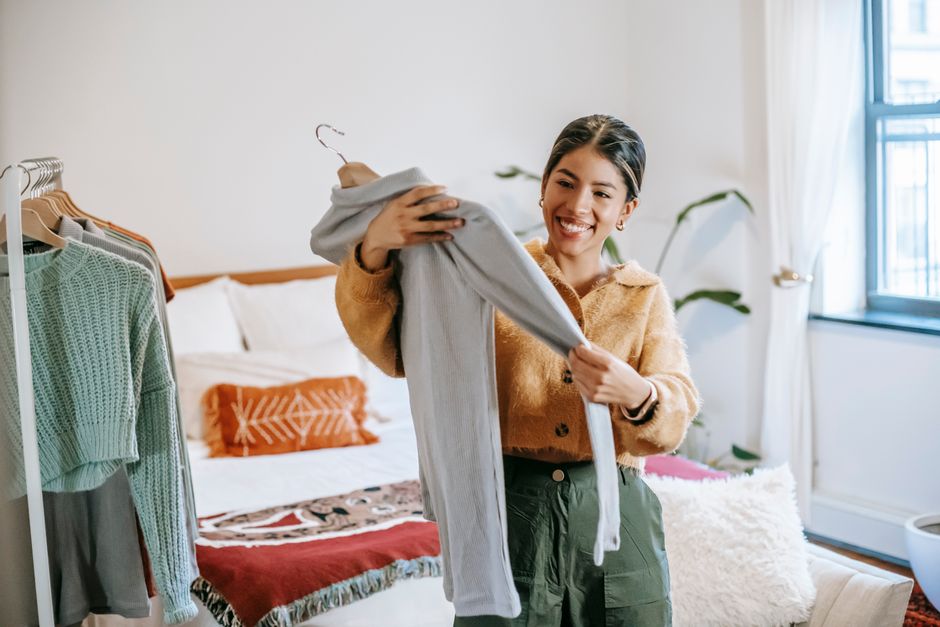
Choose one outfit that meets the dress code and one practical adjustment that handles the setting. That adjustment might be a silk scarf, a cropped jacket, a block heel, a pair of formal flats, or a slip that prevents a lightweight dress from clinging in humid air.
Match the Outfit to Heat, Rain, Wind, or Cold
Use the temperature at the ceremony time, not the average temperature for the destination. A 75-degree afternoon with high humidity feels very different from a dry 75-degree evening. Wind can make a warm beach feel cool, while direct sun can make a covered shoulder uncomfortable within minutes.
Use this climate chart before packing
| Climate or setting | Best clothing choice | Layer to pack | Most reliable shoe | Main test |
|---|---|---|---|---|
| Hot and humid | Silk, linen blend, cotton voile, or lightweight crepe with airflow | Unlined shawl or thin silk wrap | Low block heel, dressy sandal, or formal flat | Can you sit, sweat, and move without the fabric clinging? |
| Hot and dry | Structured midi, wide-leg jumpsuit, or fluid maxi with secure straps | Light cardigan for air conditioning | Block heel or closed-back sandal | Does the outfit protect you from sun without trapping heat? |
| Rainy or windy | Midi length, lined fabric, and a neckline that stays in place | Compact water-resistant coat or tailored jacket | Covered low heel or polished flat | Can the hem stay off wet ground? |
| Cool city evening | Crepe dress, satin midi, or tailored suit | Blazer, wool wrap, or short coat | Closed-toe pump, loafer, or dressy flat | Will the layer still look formal in photographs? |
| Cold mountain venue | Long-sleeve dress, velvet suit, or lined jumpsuit | Warm coat, tights, and a thin thermal layer | Stable closed-toe heel or elegant ankle boot | Can you stand outside for 20 minutes without shaking? |
Build the outfit around the difficult part
Most guests choose the dress first and solve the problem shoes or weather later. Reverse that habit when the venue is demanding. If the ceremony takes place on sand, start with a shoe that will not sink. If rain is likely, choose the hem and outer layer before choosing jewelry. If the reception is in a cold lodge, decide how you will stay warm during photographs.
The practical test is simple: put on the complete outfit, including the layer and shoes, and walk for ten minutes. Sit on a firm chair. Raise your arms. Walk up stairs. Check the hem from the side and back. Destination weddings create long gaps between ceremony, photographs, dinner, and dancing, so an outfit that works only while standing still will not serve you well.
Plan for the difference between indoors and outdoors
Hotels often run air conditioning at a level that feels cold after several hours. Tropical ceremonies may also move into a heavily cooled reception room. Pack a layer that belongs with the outfit rather than a random sweatshirt from the airport. A matte silk wrap, cropped satin jacket, or tailored linen blazer keeps the look intentional.
For cold destinations, use thin layers instead of one bulky sweater under a dress. A lightweight thermal camisole, opaque tights, and a warm coat add insulation without changing the shape of the outfit. Keep the coat on during outdoor photographs if the silhouette looks polished enough to appear in the pictures.
A Hot-Climate Outfit Needs Airflow and a Secure Hemline
For a hot destination, choose the coolest formal outfit that still stays in place. Airflow matters more than a low neckline, and a secure hem matters more than a dramatic train. My strongest warm-weather formula is a lined midi or maxi dress, a low block heel, a small structured bag, and one light layer for indoor air conditioning.
Follow this five-step warm-weather formula
- Pick the fabric first. Look for silk, linen blends, cotton voile, lightweight crepe, or breathable viscose with a lining that does not cling. Avoid heavy polyester satin for an outdoor ceremony. It can trap heat and show every patch of moisture.
- Check the fit at the waist and armholes. A dress should skim rather than grip. Loose sleeves help with airflow, but very wide sleeves can catch on chairs and buffet tables. Secure straps and a stable neckline matter more than a complicated cut.
- Choose a hem that suits the ground. A midi hem works well for grass, stone, and garden paths. A maxi length looks elegant on a clean floor but can drag through sand or mud. If you choose a long dress, keep the hem about half an inch above the ground when you stand in your wedding shoes.
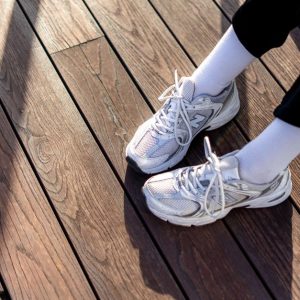
- Use a low, stable shoe. A 2-inch block heel gives height without sinking into grass. Formal flats work for long ceremonies and travel days. The Cole Haan Jaya Travel Ballet Flats, listed at $160, are a useful example of a compact flat with a more polished shape than a casual slip-on.
- Pack a second skin layer. Seamless shorts, a breathable slip, or a low-profile camisole can stop chafing and reduce cling. Test the underlayer under the dress in direct light before you pack it.
Which warm-weather dresses make sense?
The Reformation Alix Linen Dress has a listed regular price of $198 and shows why linen can work for a daytime destination wedding: the fabric reads relaxed, but a defined shape and clean accessories can raise the finish. It is the better choice for a garden, vineyard, or daytime resort ceremony than for black tie.
The Faithfull the Brand Adalee Linen Midi Dress, listed at $380, suits guests who want a lighter look with more structure than a beach cover-up. Pair it with a closed-back sandal, a small bag, and gold-toned jewelry for a polished daytime outfit. Linen will crease, so steam it at the hotel and hang it in the bathroom while the shower runs if a steamer is unavailable.
For a dressier evening, choose a silk or crepe style rather than cotton. The Adrianna Papell One-Shoulder Jersey Gown, listed at $179, is a strong formal option when you need stretch and easy packing. Jersey travels well, but inspect the neckline and sleeve before dancing. A one-shoulder style should stay secure when you lift your arms.
Run the ten-minute heat test
Wear the outfit indoors for ten minutes with the shoes, underlayers, bag, and jewelry. Sit down, walk quickly, reach for a high shelf, and stand near a sunny window. If the dress clings, the straps slide, or you keep adjusting the neckline, change it before the trip. Humidity will make small fit problems feel much larger.
Do not pack a spare outfit that needs a completely different shoe. Pack a compact backup such as a second pair of formal flats or a lightweight midi dress that works with the same accessories. That gives you insurance against sweat, rain, or a delayed suitcase without doubling your luggage.
For Cold or Wet Venues, Choose Warmth You Can Remove
Cold destination weddings work best with a dress-first layer plan. Choose an outfit that already looks complete without the coat, then add warmth in pieces you can remove indoors. A long-sleeve velvet dress, a lined jumpsuit, or a tailored suit gives you more protection than a thin sleeveless dress covered by a casual sweater.
Keep the ceremony layer formal
A wool wrap, satin-lined coat, velvet jacket, or cropped cashmere cardigan looks appropriate in photographs. A technical rain jacket may keep you dry, but it usually makes a formal outfit look unfinished. If heavy rain is likely, wear the practical coat during travel and keep a dressier layer in a garment bag for the ceremony.
Choose a coat that closes without crushing the neckline. Test it with the dress before departure. A high collar can rub against earrings, while a narrow sleeve can make a long-sleeve dress uncomfortable. The best coat leaves enough room to move your arms during photographs and does not pull across the back.
Protect your feet from cold ground and wet paths
Thin tights add warmth without changing the outfit. Opaque black tights work with jewel tones, while sheer tights keep a pale or printed dress lighter. For wet grass, gravel, or cobblestones, choose a closed-toe shoe with a stable heel and a sole that grips. A formal ankle boot can work with a midi dress, but keep the boot sleek and free of heavy buckles or outdoor hardware.
Pack shoes in a cloth bag and bring blister patches, spare tights, and a small packet of stain-removal wipes. Dry shoes fully before storing them. Wet leather trapped in a suitcase can mark clothing and develop an unpleasant smell before the reception begins.
Destination Wedding Packing Questions, Answered
The right outfit usually becomes clear after you answer four practical questions: how formal is the event, how long will you stand outside, what surface will you walk on, and how much can your luggage protect? These answers matter more than the destination label.
Can I wear a black dress to a destination wedding?
Yes, unless the couple asks guests to avoid black or the local celebration has a specific color tradition. Black works especially well for an evening hotel reception, a city venue, or a formal winter wedding. In bright daytime settings, soften it with metallic jewelry, a colored bag, or shoes in tan, silver, or jewel tones. Avoid making the outfit look like officewear by choosing an evening fabric or a more distinctive neckline.
What should I wear to a beach destination wedding?
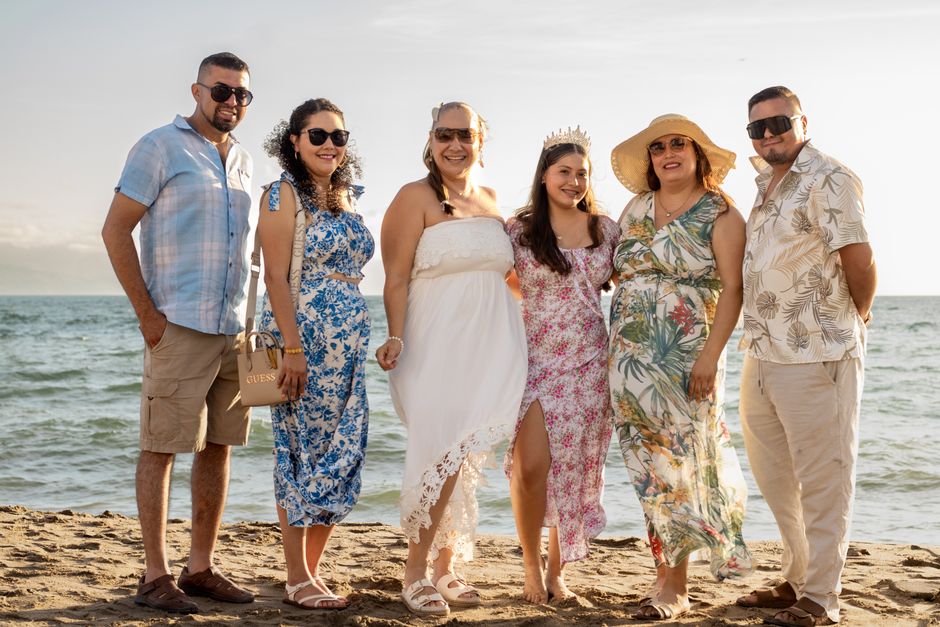
Choose a midi or maxi dress in a breathable fabric, but avoid a train that drags through sand. A flat sandal or low block heel is more reliable than a narrow stiletto. Bring a secure bag that closes, since wind can send loose items across the beach. A Reformation Alix Linen Dress at the listed regular price of $198 fits a daytime beach or garden setting, but it would be too casual for a black-tie evening unless the invitation clearly allows relaxed resort dressing.
Should I bring two wedding guest outfits?
Bring two outfits when the wedding spans a welcome dinner and a ceremony, or when the climate is unpredictable. Use one pair of shoes and one small jewelry set with both looks to control luggage. Do not bring two dramatic gowns that need different bags, bras, and shoes. A dressy midi for the welcome event and a formal dress for the ceremony cover more situations with less bulk.
What should I avoid wearing?
Avoid white, ivory, or pale champagne unless the couple approves it. Skip unstable shoes for grass, sand, or cobblestones. Avoid anything that needs constant taping, pulling, or holding in place. A destination wedding already asks guests to travel, navigate unfamiliar spaces, and spend long hours away from home. Your final outfit should let you greet people, sit through the ceremony, move through photographs, and dance without managing it every few minutes.