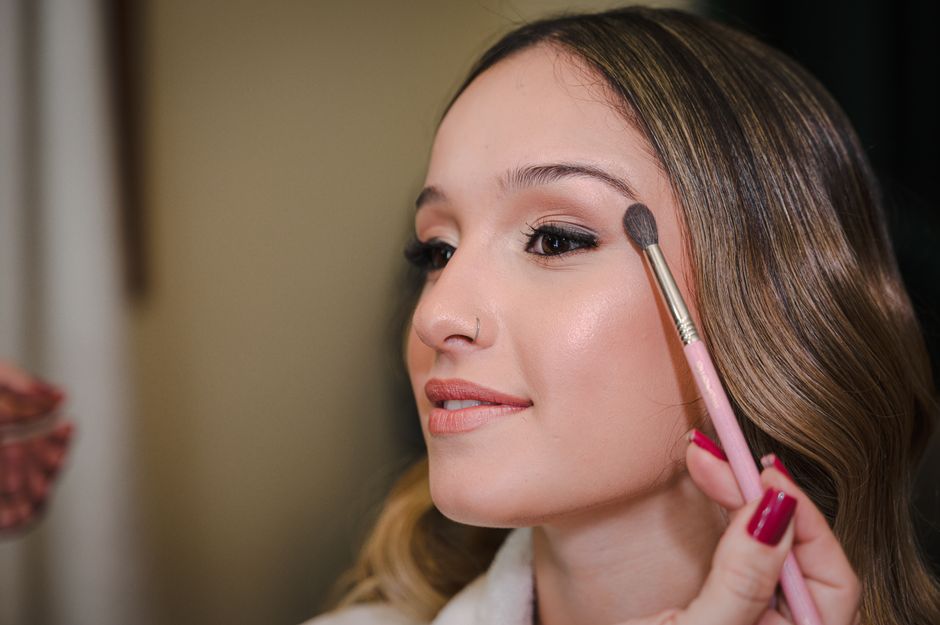
A windy spring walk tests makeup in a way a warm indoor room cannot. The goal is not a thick, immovable face; it is a light set of flexible layers that resist tears, hair friction, dry air, and the repeated touch of a scarf or sleeve. This is not legal advice — consult a licensed attorney; no state law requires makeup to survive a gust, so performance claims should be read as practical guidance rather than a guarantee.
Why Wind Breaks Down Light Spring Makeup
Wind creates two different makeup problems
Wind does not simply blow makeup away. It speeds up moisture loss from the skin, moves loose powder into fine lines, and pushes hair across the cheeks and forehead. That creates friction. A foundation can still be on the face while looking patchy because the top layer has shifted unevenly. Eyes may water in cold air, causing mascara and concealer to break down at the inner corners. Lip color faces a separate problem: dry air removes surface moisture, then rubbing the lips together lifts pigment.
The first principle is simple: light makeup lasts longer when each layer has a job. Hydration keeps the skin from pulling moisture out of the base. A thin complexion product evens tone without creating a thick edge that can crack. Cream color bonds to the skin more naturally than a heavy layer of powder. A small amount of setting product then reduces transfer without turning the face flat or stiff.
Flexible coverage beats maximum coverage
Full coverage often fails on a windy walk because it gives movement more visible texture to disturb. For spring, use coverage only where redness or shadows need it. Leave the natural surface of the cheeks visible. That contrast makes the finished face look lighter and gives a worn patch less visual impact.
What “survives” should mean
A useful standard is an even, believable face after 45 to 60 minutes outdoors, not a claim of perfect wear. A little fading around the nose is normal. Flaking, separated blush, and dark lines beneath the eyes signal a poor formula match or too many layers. Courts have generally treated broad cosmetic performance language carefully; readers should apply the same skepticism to dramatic beauty promises.
How to Build a Wind-Resistant Base
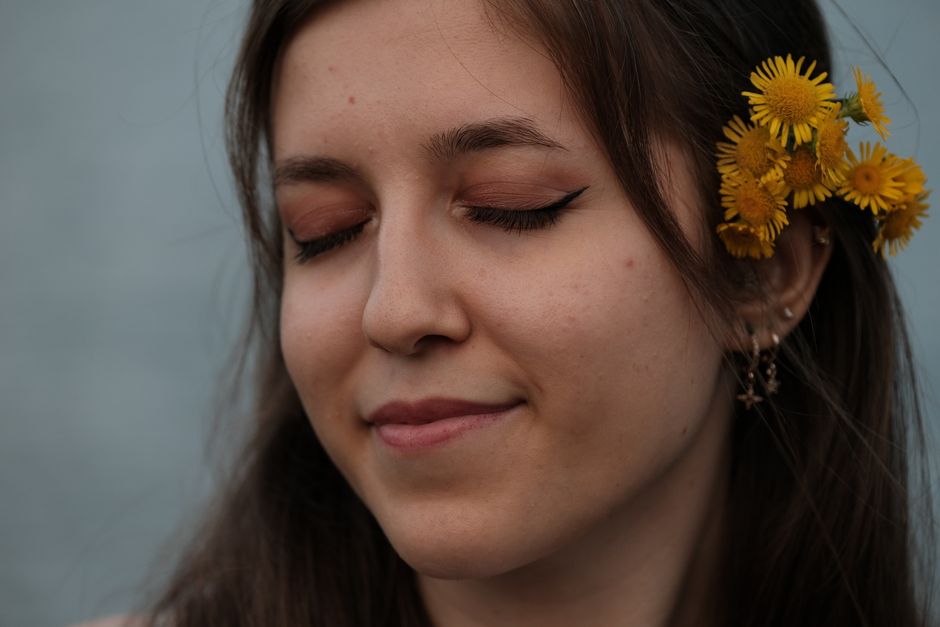
Use this six-step order
- Apply a light moisturizer and wait three to five minutes so the surface feels comfortable but not wet.
- Use sunscreen as the final skincare step. Give it at least ten minutes to settle before adding makeup.
- Press primer only onto areas that move or collect oil, such as the sides of the nose, upper cheeks, and around the mouth.
- Spread a thin skin tint or tinted serum from the center of the face outward. Stop before the hairline unless coverage is needed there.
- Tap concealer onto specific spots instead of layering it across the whole face.
- Set the nose, under-eyes, and chin with a small brush. Leave the outer cheeks mostly free of powder.
Press products instead of dragging them
Rubbing is a common mistake because it shifts the layer underneath. Use a damp sponge or fingertips to press complexion products into the skin. On the cheeks, move upward and outward with short taps. Around the nose, use the side of a small brush to press product into the crease, then remove excess with a clean fingertip. This takes less product and gives wind less loose material to catch.
A setting spray should support the makeup, not soak it. Hold the bottle about 20 to 25 centimeters from the face and use two light passes. Let the first pass dry before adding another. If the face feels tight after setting, the base already contains too much powder or alcohol-heavy product for that day. No spray can repair a cracked foundation layer underneath.
Which Formulas Hold Up on an Exposed Walk?
These examples show the practical tradeoffs in the category. Prices are typical US retail prices for 2026 and can vary by retailer, shade, or promotion.
The best light base
For a fresh spring finish, the L’Oréal True Match Nude Hyaluronic Tinted Serum is the strongest choice in this group. It gives a thin veil of tone correction rather than a painted layer, so small areas of wear are less obvious. It is not the best pick for someone who needs full coverage over widespread redness; that person should use a sheer base and add a focused concealer instead.
The best color products
Rare Beauty Soft Pinch Liquid Blush wins for windy walks because a tiny amount gives clear color that does not require repeated powder layering. Maybelline Super Stay Vinyl Ink is the better lip option when the route includes cold air and conversation. Charlotte Tilbury Airbrush Flawless Setting Spray is the premium finish choice, while e.l.f. Power Grip Primer offers the best low-cost starting point.
The Clearest Verdict for a Natural Windy-Day Face
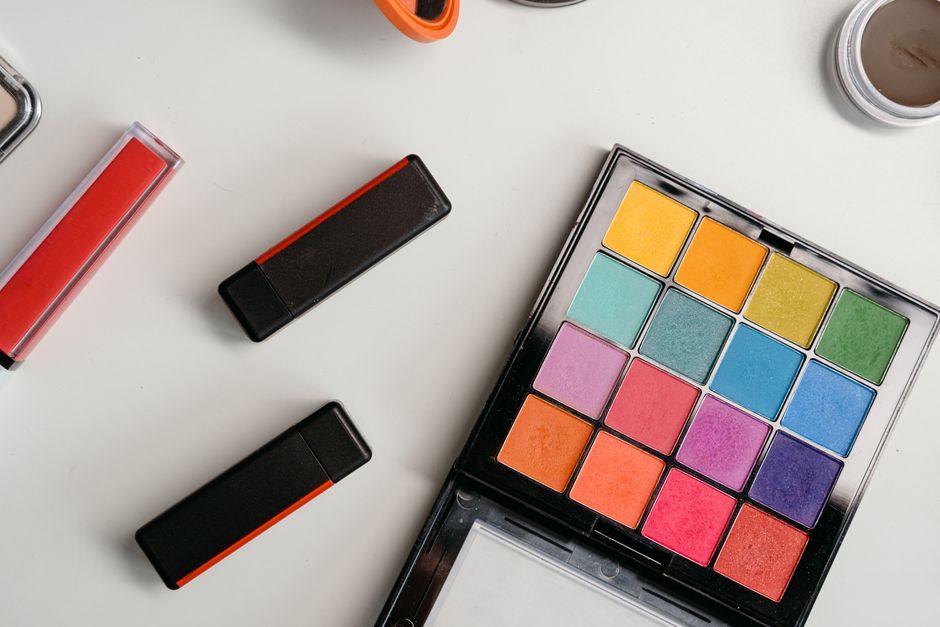
Power Grip Primer is worth adding only on the center of the face, not across every cheek. Skip this routine if your skin is actively peeling, burning, or reacting to a new product, because long wear is less important than stopping irritation before it spreads.
Mistakes That Make Spring Makeup Fail Faster

Common failure modes
- Applying foundation before sunscreen has settled. The two layers can mix and separate around the nose.
- Using a large amount of liquid blush. Highly pigmented formulas such as Rare Beauty Soft Pinch can leave a hard-edged patch once the wind removes the surrounding base.
- Putting powder directly over damp skincare. The powder grabs unevenly and creates visible spots.
- Ignoring hair friction. Loose hair repeatedly brushing the cheek can remove makeup faster than the wind itself.
- Choosing a matte, high-coverage base for naturally dry skin. It may look smooth indoors and cracked outdoors.
- Testing a new product on the morning of an important event. A walk is a poor time to discover stinging, watery eyes, or shade oxidation.
When not to buy the longest-wear option
Do not buy a maximum-hold foundation simply because the weather is windy. Choose a more moisturizing tint when the walk is short, your skin is dry, or you prefer visible skin texture. Choose a cream blush instead of a liquid stain when you need to adjust the color later. Choose a tinted balm instead of Maybelline Super Stay Vinyl Ink when chapping is already present. The right alternative solves the actual failure, not the most dramatic version of it.
A 10-Minute Routine for a Windy Walk
Minute-by-minute application
Start with moisturizer and sunscreen at minute zero, then wait while you dress. At minute three, press primer onto the nose and upper lip if those areas usually lose makeup. At minute four, apply a thin layer of L’Oréal True Match Nude Hyaluronic Tinted Serum. At minute six, conceal only visible redness and tap one small dot of Rare Beauty Soft Pinch Liquid Blush onto each cheek. At minute seven, brush powder beneath the eyes, around the nose, and across the chin. At minute eight, apply mascara and a thin coat of Maybelline Super Stay Vinyl Ink. At minute nine, mist setting spray from 20 to 25 centimeters away. Use minute ten to check the hairline, inner eyes, and mouth corners in daylight.
The final decision before leaving
Bring one tissue and your lip product, not the entire makeup bag. If your face already looks heavy indoors, remove a layer before stepping outside. A windy walk rewards restraint: the base should still look like skin, the cheek color should be visible without a sharp border, and the lip should feel comfortable enough that you do not keep touching it. That is how the light spring face from the opening scenario reaches the end of the walk looking fresh, even after the weather has tested every layer.