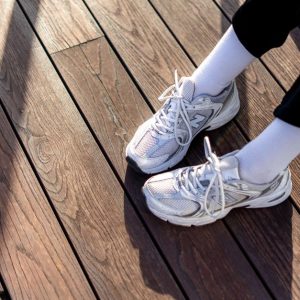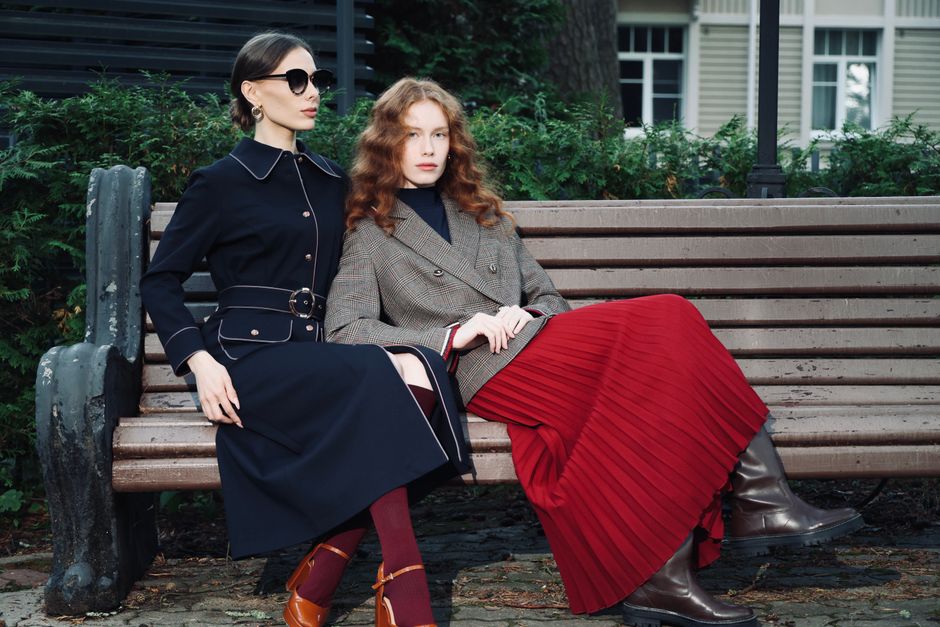
What jacket works when mornings still demand boots, afternoons feel mild, and sneakers suddenly look right again? You need a layer that handles cool air, light rain, and changing temperatures without looking like winter gear or a flimsy summer overshirt.
What should a transitional jacket actually do?
The best transitional jacket is a temperature buffer, not a miniature winter coat. It should block enough wind to make a 48-degree morning comfortable, breathe when the day reaches 65 degrees, and pack or drape easily once the sun comes out; that balance is why the same jacket can work with leather boots at breakfast and low-profile sneakers after lunch.
The jacket also has to connect two visual seasons. Heavy boots bring weight and texture, while sneakers make an outfit look lighter and more casual. A good middle layer has a clean shape, a moderate hem, and fabric with enough character to sit between those extremes. Too much insulation makes sneakers look out of place. Too little structure makes boots look overdressed.
Start with a jacket that ends around the high hip or upper thigh, has room for a thin knit, and closes high enough to stop wind from reaching your neck. Olive, navy, tobacco, charcoal, and washed black are safer than bright seasonal colors because they work with denim, chinos, wool trousers, and both footwear choices.
Your first buying question is not “Is this a spring jacket?” Ask, “Can I wear this from 45 to 68 degrees without changing my whole outfit?” If the answer is yes, the jacket has solved the real problem.
How to choose fabric and insulation for unstable weather

Use three weather tests before you buy
Test the fabric against the week you actually live through. For light rain, look for a water-resistant finish, coated fabric, or tightly woven cotton; you do not need a fully insulated rain shell unless storms are common. For wind, hold the jacket against your forearm and check whether air moves easily through the weave. A loose cotton overshirt may look perfect but fail on a windy platform.
For temperature swings, avoid thick fleece lining unless you plan to wear the jacket below 45 degrees. Unlined cotton, waxed cotton, nylon, and light twill give you more control because you can add a merino sweater underneath in the morning and remove it later. That flexibility beats a padded jacket that becomes uncomfortable by noon.
Match the lining to your layering habits
A smooth polyester or cotton lining slides over knitwear and reduces friction. An unlined jacket feels cooler and usually looks less bulky over a T-shirt, but rough fabric can catch on sweaters. If you wear hoodies, choose a jacket with a sleeve opening at least 13 inches around or try it on with your thickest regular layer.
Pay attention to the collar. A stand collar gives more wind protection and looks sharper with sneakers. A spread collar feels easier with boots and flannel. A hood adds rain coverage but can make a tailored outfit look casual fast.
Check the details that control comfort
Look for a two-way zipper if the jacket reaches below the hip, adjustable cuffs if wind bothers you, and inside pockets for a phone or wallet. A 24-to-28-inch back length suits most transitional outfits because it covers the waistband without swallowing the leg line. The winning combination is a light shell, useful pockets, and enough room for one warm layer.
Which transitional jackets work with both boots and sneakers?
The table below gives the clearest starting point. Prices are typical US list prices and can move with season, color, or retailer stock. The verdict is simple: choose waxed cotton for texture, coated nylon for rain, or denim for dry-weather versatility.
The Barbour Ashby is the strongest all-round style pick because waxed cotton adds visual weight without adding bulky insulation. The Rains Jacket wins for wet city walking, but its clean technical look clashes with formal boots. The Levi’s Trucker is the easiest budget choice if rain is not part of the forecast. The Uniqlo Blocktech Parka is the practical winner for travel, not the most interesting piece in your wardrobe.
What mistakes make a transitional jacket look wrong?

- Buying for the coldest morning. If you dress for 42 degrees with a heavily insulated jacket, the same piece will look and feel wrong at 62 degrees. Choose a lighter shell and add a sweater when needed.
- Ignoring the boot-to-sneaker contrast. A cropped, shiny technical jacket can look disconnected from bulky leather boots. A matte fabric, visible texture, or simple utility detail creates a smoother link between the two footwear styles.
- Choosing a hem that fights your trousers. A jacket that stops exactly at the widest part of your hips can make the upper body look broad. Try a hem that sits above the seat or reaches the upper thigh, then check it with both straight-leg denim and wider trousers.
- Going too slim for a sweater. A jacket that fits perfectly over a T-shirt may pull across the shoulders over knitwear. Leave roughly one inch of ease across the chest and make sure the cuffs do not trap your shirt sleeves.
- Treating water resistance as waterproofing. Waxed cotton and coated cotton can handle light rain, but they are not substitutes for a rain shell during a long downpour. If your commute includes exposed bike lanes or twenty-minute walks, choose sealed seams and a hood.
- Buying a color that only works with one shoe. Bright tan can look great with brown boots and awkward with white sneakers. Olive, navy, charcoal, faded denim, and black give you more usable combinations.
The most expensive mistake is buying a jacket for a fantasy version of spring or fall. Review your real forecast, commute, and closet first. A jacket that handles three ordinary outfits beats one that looks impressive in a single photograph.
Which jacket works for your commute and wardrobe?
Is waxed cotton too warm for sneaker weather?
Not if you choose a light, uninsulated version and wear it open when the temperature rises. The Barbour Ashby Wax Jacket works best from roughly 45 to 62 degrees with a T-shirt or fine knit. Its waxed finish adds wind resistance and texture, but it can feel warm in direct sun. Choose it if you want a classic country-city look that makes rugged boots and simple sneakers feel related.
Should a rainy commuter buy a fashion jacket or a shell?
Buy the shell. The Rains Jacket is the better choice when rain matters more than heritage styling. Its PU-coated polyester and 4000 mm water-column rating offer a clear advantage over ordinary cotton, and the minimal shape works with black jeans, trousers, leather boots, and white sneakers. It is less breathable than an uncoated jacket, so it is a poor choice for warm, active walks.
What is the best choice for a dry, casual wardrobe?
The Levi’s Original Trucker Jacket is the easiest answer. Choose a darker rinse for a sharper look or a medium wash for weekends. It is not a rain jacket, and the unlined cotton will not solve a cold morning by itself.
Do not force one jacket to cover every weather problem. Pick the Barbour for texture, the Rains for rain, or the Levi’s for dry casual wear. The right choice follows your most common commute, not the most dramatic day on the forecast.
My pick for the boots-to-sneakers transition

For most wardrobes, the Barbour Ashby Wax Jacket is the best transitional jacket. It has enough structure to hold its own with boots, enough texture to avoid looking bland with sneakers, and enough weather resistance for the damp, cool weeks when this problem appears.
Choose the Levi’s Original Trucker instead if your weather is mostly dry and your wardrobe leans casual. Choose the Rains Jacket if wet commutes are the deciding factor; its waterproof construction solves a real problem, even though the technical finish has less character.
Fit matters more than the label. The shoulders should sit flat, the cuffs should stop at the wrist bone, and the hem should cover your waistband without hiding your entire trouser line. Try the jacket with your thickest knit and your widest everyday trousers before buying. If it works with both, you have found a genuine bridge between seasons.
Make the Barbour Ashby your first choice for a polished boots-to-sneakers wardrobe, the Levi’s Trucker your budget choice for dry days, and the Rains Jacket your rain-first choice.