
Most capsule wardrobe advice fails because it assumes you live in a climate with no seasons, never exercise, and only attend brunch. That’s not real life. A 30-piece capsule wardrobe for 2026 needs to handle your actual schedule — work meetings, weekend errands, a dinner out, and the occasional rainy Tuesday when you just want to be comfortable.
Here is the exact system I’ve tested across three different climates (humid summer, cold winter, and that weird in-between). It’s not about owning less for the sake of it. It’s about owning the right 30 items so you never stand in front of your closet feeling like you have nothing to wear.
Why 30 Pieces Hits the Sweet Spot
Fewer than 25 and you’re doing laundry twice a week. More than 35 and decision fatigue creeps back in. Thirty pieces gives you roughly 120 different outfit combinations — enough variety for three months without repeating a full look.
The math works because each top pairs with multiple bottoms, and layers multiply the options. A single white button-down worn under a blazer, tucked into jeans, or tied over a dress counts as three distinct looks from one item.
The failure mode most people hit is including too many statement pieces. One bold jacket is fine. Three means you’re constantly trying to make them work with everything else. Stick to 80% neutral basics, 20% personality pieces.
The 5-4-3-2-1 Breakdown
Here’s the exact item count that works for 2026:
- 5 pairs of shoes — one sneaker, one flat, one heel, one boot, one sandal or loafer depending on your climate
- 4 bottoms — two pants, one skirt, one pair of jeans
- 3 outer layers — one blazer, one cardigan or jacket, one coat
- 2 dresses — one casual, one dressy enough for dinner
- 1 wildcard — your favorite piece that makes you happy
The remaining 15 pieces are tops. Seven neutral tees and tanks, four blouses or button-downs, and four sweaters or lightweight knits. That covers everything from Monday morning to Saturday night.
The Color Palette That Eliminates Decision Fatigue

This is where most capsule wardrobes fall apart. You pick a “neutral palette” of black, white, navy, and gray — then realize your favorite burgundy sweater clashes with everything. Pick three neutrals and one accent color. That’s it.
For 2026, the most versatile combination is: black, cream, and medium denim blue as neutrals, with a single accent like olive green, rust, or dusty rose. Every item you own should match every other item in at least two of those colors.
Test this before you buy anything. Lay out every piece on your bed. If you can’t grab any two items and make a reasonable outfit, that piece doesn’t belong. This one test eliminates 90% of wardrobe mistakes.
| Color Role | Recommended Shades | % of Wardrobe |
|---|---|---|
| Primary neutral | Black or charcoal | 35% |
| Secondary neutral | Cream, ivory, or off-white | 30% |
| Tertiary neutral | Medium denim blue or camel | 20% |
| Accent | Olive, rust, dusty rose, or navy | 15% |
Notice navy is listed as an accent, not a neutral. Navy and black together look muddy unless you’re very intentional. If you love navy, make it your primary neutral and drop black entirely. Pick one dark neutral and commit.
Three Common Mistakes That Ruin Capsule Wardrobes
Mistake 1: Including items you don’t actually wear. That silk blouse you’ve worn twice in three years? It’s taking up a slot. Be brutal. If you haven’t worn it in the last six weeks, it doesn’t go in the capsule. Store it separately and rotate seasonally.
Mistake 2: Ignoring your laundry cycle. If you only do laundry every 10 days, your capsule needs at least 10 tops and 5 bottoms. A 30-piece wardrobe with three pairs of jeans means you’re washing jeans every third wear. Denim should go 5-7 wears between washes. Plan your item count around your real laundry habits, not an aspirational version of yourself.
Mistake 3: Buying everything at once. This is the fastest way to waste money. Start with what you already own. Pull out everything that fits your color palette and fits well. Count it. If you have 18 pieces that work, you only need to buy 12 — not 30. Spread those purchases over three months so you have time to realize what’s actually missing.
How to Fill the Gaps Without Wasting Money
Once you know your 30 pieces, make a shopping list. Not a vague “I need a black sweater” — write down the exact spec: “black crewneck merino wool sweater, $80-120, hits at hip bone, not cropped.” This prevents impulse buys that almost fit the gap but don’t quite work.
Prioritize fit over brand every time. A $30 Target tee that fits perfectly is worth more in your capsule than a $200 designer top that needs constant adjustment. The Everlane cashmere crew ($128) and Uniqlo merino v-neck ($40) both last about two seasons with regular wear. The COS linen-blend button-down ($89) holds its shape better than most alternatives at twice the price.
For denim, the Levi’s 501 ’90s jean ($98) in medium wash works with almost everything. The Madewell perfect vintage straight ($138) is the best high-rise option for petites. If you need black trousers, the Aritzia Effortless pant ($150 in 2026) is the current benchmark for stretch and structure balance.
Shoes are where you should spend the most. One great pair of black leather ankle boots ($200-350) will outlast three cheap pairs. The Blundstone 585 ($220) works for rain, snow, and office casual. The Veja Campo sneaker ($155) in white leather cleans up surprisingly well. For a flat, the Rothy’s pointed toe ($165) is machine-washable and holds up for years.
Your Seasonal Rotation Plan
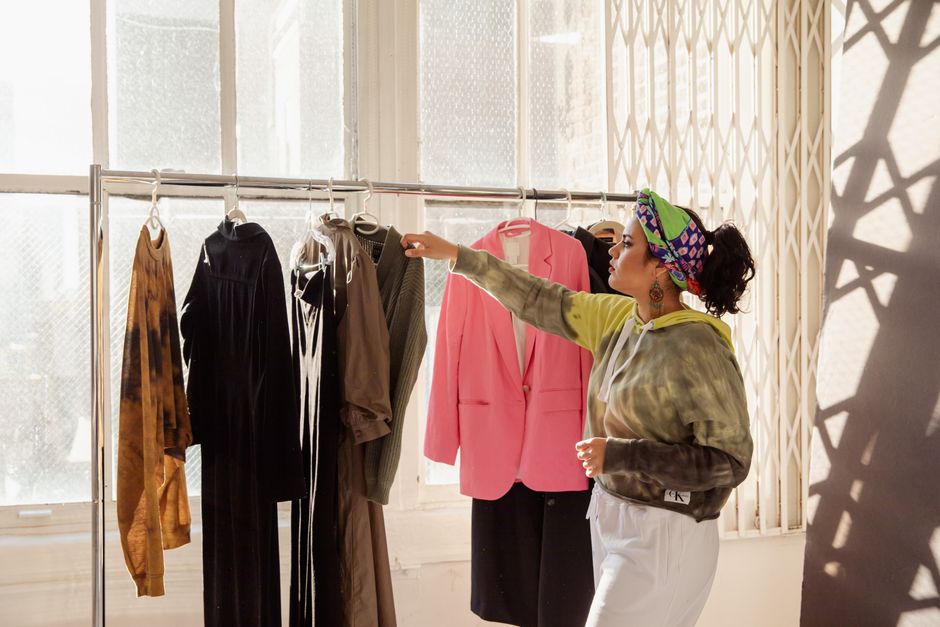
A 30-piece wardrobe doesn’t mean you own 30 items total. It means you have 30 items for the current season. Store off-season clothes in a bin under your bed or in a closet you don’t use daily. When the weather shifts, swap 8-10 pieces — heavier coats out, lighter jackets in. Boots out, sandals in.
The exact rotation for 2026: In March, swap your wool coat for a trench or denim jacket. Swap two long-sleeve knits for short-sleeve tops. Keep your jeans, keep your ankle boots, keep your blazer. That’s a 10-minute swap that changes your entire wardrobe’s functionality.
If you live somewhere with only two real seasons (hot and less hot), you need about 25 permanent pieces and 5 seasonal items. Your shorts and tank tops stay year-round; your cardigans and boots come out for the “cold” months when it drops below 18°C.
This system works because it respects your actual life. You’re not forcing yourself into a minimalist aesthetic. You’re building a tool that gets you dressed in under five minutes every single day. That’s the real win.