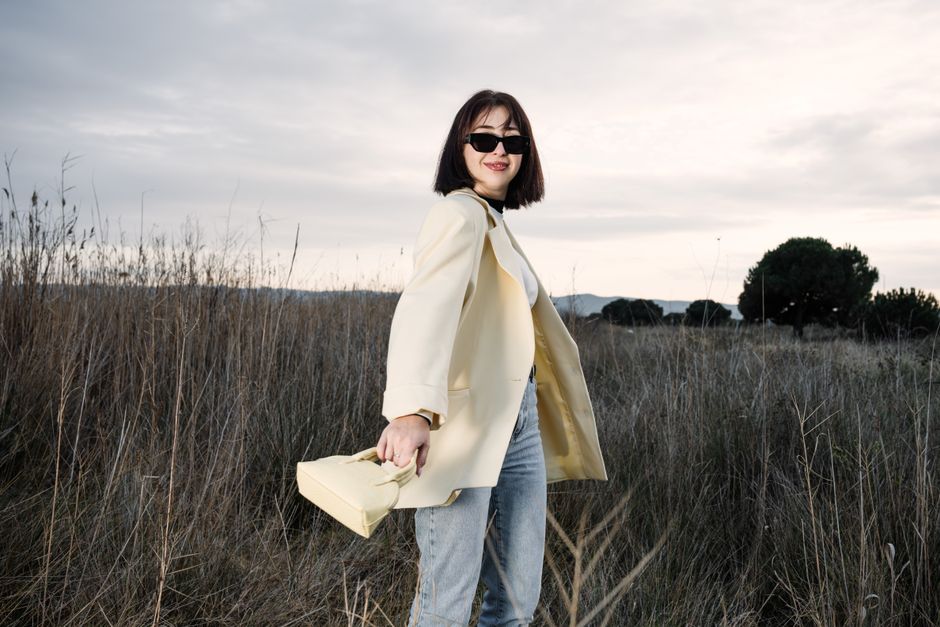
Start with the outfit problem, not the trend
The strongest statement handbag is the one that fixes a real gap in your fall wardrobe. If your coats are dark and plain, choose color or texture. If your outfits already include prints, bold boots, and layered jewelry, choose an unusual shape in a calm shade. The bag should add one clear point of interest, not compete with every item you are wearing.
Fall creates a specific styling problem: heavier clothing can hide the shape of a bag. Oversized sweaters, wool coats, scarves, and thick knits make small accessories disappear. A structured bag with a firm base, visible hardware, or a saturated color stays readable beside bulky layers. That is why a statement handbag works best as a visual anchor, not as a random extra.
Use contrast with control
Pair a burgundy, emerald, or cobalt bag with neutral clothing. Brown leather works with cream, charcoal, olive, denim, and camel. If the handbag has a strong logo, chain, or sculptural handle, keep the rest of the accessories simple. Two loud details can look intentional; five usually look accidental.
Check the daily load
Before buying, measure the items you carry every day. A phone, card case, sunglasses, keys, and lip balm need less space than a small umbrella, paperback, water bottle, or tablet. A bag that cannot close around your actual essentials will stay at home, no matter how striking it looks. The clear verdict: solve your wardrobe and capacity problem first, then choose the visual detail.
Use a three-part fall test before buying
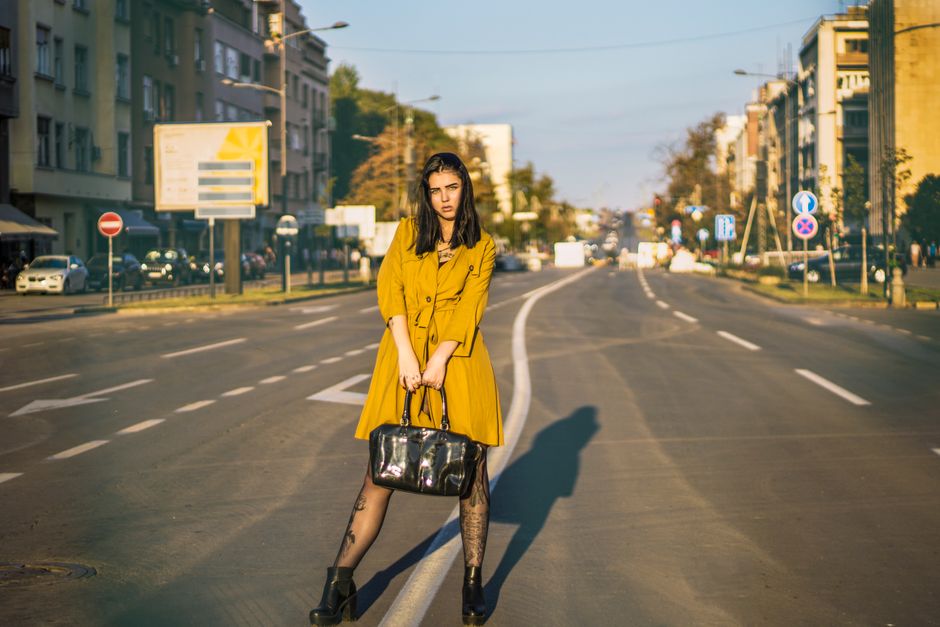
A handbag earns a place in a fall wardrobe when it passes three practical tests: it works with enough clothing, it carries what you need, and it survives the conditions in which you will use it. Run these checks before focusing on color or brand recognition.
- Test the outfit range. Picture the bag with three existing outfits: a casual knit and jeans, a work outfit with a coat, and a dressier evening look. If it works with only one combination, treat it as an occasion accessory rather than an everyday purchase.
- Test the scale. Hold the bag beside your heaviest coat. A tiny bag can look lost next to a long puffer or oversized wool coat. A very large tote can overwhelm a petite frame and pull attention away from the outfit. The most flexible fall size usually sits between a compact shoulder bag and a full work tote.
- Test the weather. Suede, untreated leather, and pale colors need more care around rain, salt, and wet pavement. Smooth coated leather or treated canvas is a safer choice for a daily commute. A statement handbag that needs constant protection may be beautiful but poorly matched to your routine.
- Test the opening. Magnetic snaps are quick but less secure on crowded trains. Zippers protect contents but slow access. Open totes hold more but expose everything inside. Choose the closure based on where you carry the bag, not just how it looks in a product photo.
My buying rule is simple: reject any bag that fails two tests. One weakness can be manageable. A poor size plus fragile material usually becomes an expensive closet mistake.
How should a statement bag work with fall layers?
Should the handbag match the boots?
No. Matching the bag and boots exactly can make an outfit look dated and overly planned. Repeat one color family instead. A deep brown handbag can echo the warmth of tan or oxblood boots without copying them. Black boots can sit beside a burgundy, olive, or metallic bag with a cleaner result.
Can a bold bag work with a printed coat?
Yes, but reduce the number of competing colors. Pull one shade from the coat and use that shade in the handbag, or choose a neutral bag with an interesting shape. A leopard coat with a bright floral bag and patterned scarf creates three focal points. A leopard coat with a red bag and plain scarf creates one clear focal point.
What size works with a puffer jacket?
A medium shoulder bag or crossbody usually works better than a tiny clutch. Thick outerwear adds visual volume, so the bag needs enough width to remain visible. Look for a strap that adjusts over layers and hardware that will not snag on knitwear. The best general answer is a medium bag with a firm base, a secure closure, and a strap drop of roughly 20 to 24 inches.
The verdict: let the handbag contrast with your clothes in one controlled way, then keep the rest of the outfit quiet enough for that contrast to register.
Five statement handbags worth comparing in 2026
These five bags cover different budgets, shapes, and levels of practicality. Prices are listed in the currencies shown by the brands and can change with color, promotions, taxes, and region.
| Handbag | Listed price | Size | Strongest feature | Main limitation |
|---|---|---|---|---|
| Coach Tabby Shoulder Bag 26 | $475 | 10 × 5.5 × 2.75 in | Two detachable straps and polished hardware | Compact interior |
| Polène Numéro Dix | $620 | 24 × 20 × 7.5 cm | Curved equestrian shape and two strap options | Not suited to bulky daily loads |
| Marc Jacobs The Sack Bag | $495 list price | 15 × 8 × 9 in | Lightweight full-grain leather and generous width | Magnetic closure is less secure |
| DeMellier The New York Tote | £445 | 39 × 28 × 14 cm | Structured work-to-weekend capacity | More polished than casual |
| Loewe Medium Puzzle Fold Tote | $2,350 | 31.5 × 25.5 × 14.5 cm | Geometric shape that folds flat | High cost and delicate finish |
Best overall balance: Coach Tabby Shoulder Bag 26
The Coach Tabby Shoulder Bag 26 is my clearest all-round pick. Its 10-inch length gives it visible presence without becoming oversized, while the short and long detachable straps change the shape from shoulder bag to crossbody. The leather versions feel more practical for fall than a delicate fabric finish. Choose it for dinners, city days, and outfits that need one bright piece of hardware.
Best shape: Polène Numéro Dix
The Polène Numéro Dix wins on silhouette. Its padded half-moon body, 425-gram weight, adjustable straps, and 24-centimeter width create a strong shape without heavy metal decoration. It is the right purchase for someone who wants a recognizable design detail but dislikes large logos. The interior suits essentials, not a sweater, water bottle, or full-size planner.
Best large option: Marc Jacobs The Sack Bag
Marc Jacobs The Sack Bag is the practical choice for a softer, larger statement. Its 15-inch width and 9-inch height leave room for daily extras, and the included zip pouch helps control the open interior. The magnetic snap is the tradeoff. It works for office and weekend use, but commuters carrying valuables should prefer a zip-top style.
Best investment tote: Loewe Medium Puzzle Fold Tote
The Loewe Medium Puzzle Fold Tote costs far more, but its geometric construction gives it a distinct look without loud branding. It weighs about 0.43 kilograms, offers a 27-centimeter handle drop, and folds flat for travel. Buy it only if you will use that flexibility. For a single everyday bag, the price is difficult to justify against the lower-cost options.
For a refined work bag, the DeMellier New York Tote is the strongest middle ground: structured enough for tailoring, large enough for daily essentials, and less visually common than a plain black tote.
Match each bag to the day it can actually handle
- For a dinner or gallery date: choose the Coach Tabby Shoulder Bag 26. Its compact proportions leave room for a phone, card case, keys, and lipstick without weighing down a dress or tailored jacket.
- For a minimalist wardrobe: choose the Polène Numéro Dix. The curved body supplies the interest, so you can wear it with a plain knit, straight-leg jeans, and simple boots.
- For a full workday: choose the DeMellier New York Tote. It has the capacity and structure needed for a notebook, small pouch, glasses, and other office basics.
- For a relaxed weekend: choose Marc Jacobs The Sack Bag. Its wide, soft shape looks natural with denim, a chunky sweater, and flat boots, but secure valuables inside the pouch.
- For travel or a high-budget wardrobe: choose the Loewe Medium Puzzle Fold Tote. The flat-folding design earns its place if you move between destinations or need a tote that stores easily.
Do not buy the most expensive option simply because it has the strongest name recognition. The correct purchase is the bag that gets used at least twice a week. A $475 bag worn 100 times is a better value than a $2,350 bag reserved for one photograph.
My use-case verdict is direct: Coach wins for versatility, Polène wins for shape, DeMellier wins for work, Marc Jacobs wins for relaxed capacity, and Loewe wins only for shoppers who will use the fold-flat design.
Avoid the mistakes that make statement handbags impractical
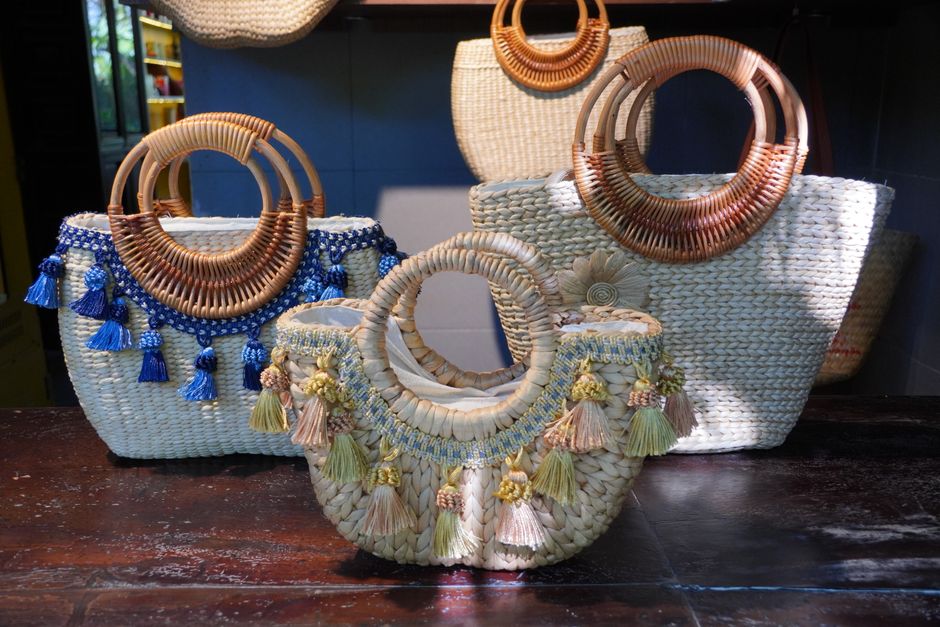
My strongest recommendation: do not buy a statement handbag until you decide what it must carry and what weather it will face. Most disappointing purchases fail on function, not appearance.
Do not confuse visual drama with useful size
A sculptural mini bag may photograph well but hold almost nothing. Check the internal measurements, not only the exterior width. Handles and thick padding can reduce usable space by more than expected. If your phone barely fits, the bag belongs in the occasion category.
Do not ignore material care
Suede can mark in rain. Pale leather can show denim transfer. Metallic finishes can scratch against coat hardware. Ask how the material should be stored, cleaned, and protected before buying. If you will carry the bag through wet streets every day, select a finish that can handle that routine.
Do not let a discount decide for you
A reduced price does not fix an uncomfortable strap, weak closure, or awkward opening. Check the return window, shipping cost, and final-sale rules before paying. Also compare the listed price in your market because currency conversion and tax can change the final total.
The final recommendation is clear: choose the Coach Tabby Shoulder Bag 26 for the widest range of fall outfits, the DeMellier New York Tote for work, or the Polène Numéro Dix for a more distinctive shape. Skip every bag that cannot carry your essentials, tolerate your weather, or work with at least three outfits already in your closet.