
You walk home on a cold, windy afternoon with red cheeks, tight skin, and a burning feeling around your nose. By the time you get indoors, your face feels rough and hot even though the rest of you is fine. That is the familiar pattern of windburned skin in winter. The fix is not a harsh scrub or a shelf full of new products. You need to lower irritation, add water back to the surface, seal the barrier, and block the next blast of cold air.
What windburned skin actually is
Windburn is a mix of cold exposure, fast-moving air, low humidity, and friction. Wind strips moisture from the outer layer of skin. Cold temperatures also narrow surface blood vessels, while repeated exposure can leave the cheeks looking red once you warm up again. A scarf rubbing against your nose or a rough towel can push already-stressed skin over the edge.
What cold wind does to your face
The outer skin barrier contains water, oils, and tightly packed cells that help keep irritants out. Dry winter air pulls water away from that surface. Wind speeds up the loss. Once the barrier becomes uneven, tiny cracks let water escape faster and make ordinary products sting. That is why a cleanser or moisturizer that felt fine in October may burn in January.
Windburn does not mean the skin has literally burned like a sunburn. The symptoms can overlap, though: redness, warmth, tightness, flaking, sensitivity, and mild swelling. Treat the surface gently for the first few days instead of trying to remove the flakes.
How to tell windburn from a stronger reaction
Windburn usually appears on exposed areas such as the cheeks, lips, chin, and bridge of the nose. It often improves after several hours indoors and feels worse after another walk outside. A rash that spreads beyond exposed skin, forms blisters, produces pus, or causes major swelling needs medical attention rather than a new cream.
Cold exposure can also cause frostbite. Skin that becomes numb, waxy, gray, or unusually hard is not a normal windburn problem. Move indoors, avoid rubbing the area, and seek urgent medical help. For mild redness and tightness, home care is reasonable. The key decision is to protect the barrier before adding active ingredients.
What to do during the first 24 hours
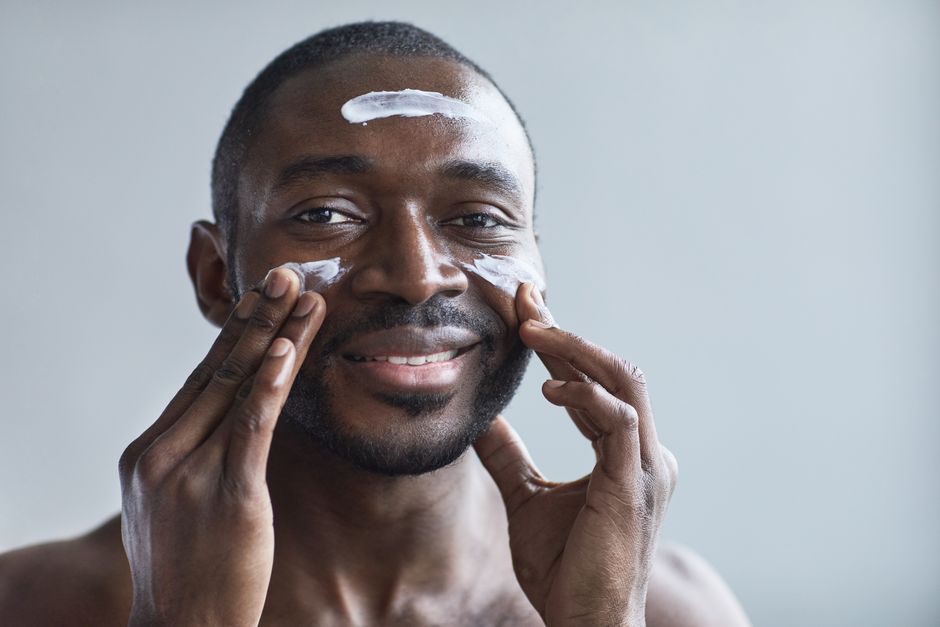
Stop adding irritation first. The first day should feel boring. Boring skincare gives damaged skin a chance to close the gaps that cold and wind created.
The first 10 minutes indoors
- Rinse your face with lukewarm water if salt, sweat, or city grit is sitting on the skin. Do not use hot water.
- Pat with a soft towel. Leave the skin slightly damp instead of rubbing until it feels completely dry.
- Apply a plain, fragrance-free moisturizer within three minutes. Use enough to remove the tight feeling, not enough to leave a thick slippery film.
- Seal the most irritated spots with a thin layer of petrolatum or another bland ointment.
- Leave the flakes alone. Pulling them off creates more raw skin underneath.
The next 24 hours
Skip exfoliating acids, retinoids, scrubs, cleansing brushes, essential oils, clay masks, and strong acne treatments. These products can be useful in a normal routine, but they add chemical or physical stress while the barrier is already weak. Wash with a mild cleanser once at night if you wore makeup or sunscreen. In the morning, a water rinse may be enough.
Keep showers short and warm rather than steamy. Run a humidifier in the bedroom if indoor heating makes the air very dry, but clean the tank daily so it does not become a source of mold. Drink normally; forcing extra water will not repair the skin by itself. The practical goal is simple: reduce water loss, reduce friction, and keep the face out of direct wind for one full day.
Which creams help windburned skin best
For a damaged winter barrier, the best products are plain, thick, and easy to remove. I would choose a bland ointment for cracked spots and a fragrance-free cream for the rest of the face. Avoid buying a scented “rescue” balm just because the packaging looks soothing.
The short list for 2026
| Product | Typical U.S. price | Best use | Verdict |
|---|---|---|---|
| CeraVe Healing Ointment, 12 oz | $12.99 | Cracked nose, lips, and cheek patches | Best overall seal because petrolatum reduces water loss and the large tub works for face and hands. |
| Vanicream Moisturizing Cream, 16 oz | $13.99 | Dry, reactive facial skin | Best value cream when fragrance and extra botanical ingredients cause trouble. |
| La Roche-Posay Cicaplast Baume B5+, 40 ml | $19.99 | Small irritated areas | Best portable option for a handbag or coat pocket, but the tube costs more per ounce. |
| Avène Cicalfate+ Restorative Protective Cream, 40 ml | $28 | Very dry, rubbed areas | Best for a thick protective layer around the nose and mouth; too heavy for some daytime routines. |
| Beauty of Joseon Relief Sun SPF50+, 50 ml | $18 | Sun protection after stinging settles | Best sunscreen choice only after the skin tolerates it; do not put it on actively cracked, burning skin if it stings. |
How to use them without making irritation worse
Apply the cream first, then press a rice-grain-sized amount of ointment over the driest areas. Do not coat the entire face in a heavy balm unless the skin is severely cracked; that can feel hot and may cause clogged pores. Test one small cheek area before using a new product everywhere. If a cream burns for more than a minute, wash it off and switch to a shorter ingredient list.
My clear pick is Vanicream Moisturizing Cream for the full face and CeraVe Healing Ointment for cracks. That pairing costs about $27 at typical 2026 U.S. prices and covers the two jobs windburn care actually requires: adding a soft layer and slowing water loss.
How to build a winter routine that survives outdoor time
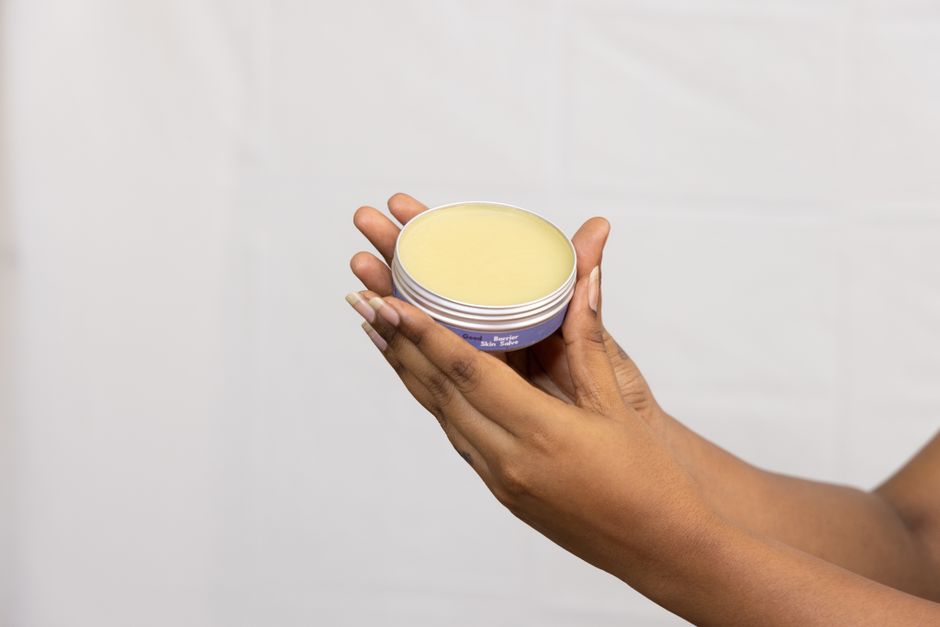
Protect before you leave, not after your cheeks start burning. A good winter routine creates a physical buffer between exposed skin and moving air. It should take under five minutes and should not depend on a dozen active ingredients.
Morning routine before a cold commute
Use lukewarm water or a mild cleanser, then apply a fragrance-free cream to slightly damp skin. Give it five to ten minutes to settle before putting on makeup. If your face still feels tight, add a very thin ointment layer to the sides of the nose, lips, and upper cheekbones. Those spots lose moisture quickly because they receive direct wind and constant movement from talking, smiling, and blinking.
Apply broad-spectrum SPF 30 or higher on calm skin, even in winter. Snow and pale pavement reflect ultraviolet light, and cold air does not block it. Use a mineral sunscreen if chemical filters sting, but do not assume “mineral” automatically means gentle. Zinc oxide formulas can still feel dry if the base contains alcohol or fragrance.
Clothing and timing changes that matter
- Pull a soft, tightly woven scarf over the lower cheeks, but keep the fabric clean and dry.
- Choose a neck gaiter with a smooth seam so it does not scrape the nose and mouth.
- Walk with your face turned slightly away from strong crosswinds when possible.
- Reapply moisturizer after washing your face, not every time the skin feels briefly warm.
- Move outdoor exercise indoors when the skin becomes numb, sharply painful, or pale.
Do not use a thick occlusive layer as permission to stay outside longer. Ointment reduces moisture loss, but it does not prevent cold injury. A barrier cream, scarf, hat, and shorter exposure work better together than any one product alone.
Winter protection compared: choose the right fix

The fastest route to calmer skin is to match the response to the symptom. A cream handles dryness, an ointment handles cracks, clothing blocks wind, and sunscreen handles ultraviolet exposure. None replaces the others.
Choose by the problem you see
| What you notice | Best response | What to avoid |
|---|---|---|
| Tight, flaky cheeks | Fragrance-free cream on damp skin twice daily | Scrubs, hot water, and foaming cleanser |
| Cracks beside the nose or lips | Thin petrolatum layer over cream | Mint, fragrance, and repeated wiping |
| Burning after sunscreen | Pause that formula until the barrier calms, then patch-test a bland SPF 30+ option | Applying several new products at once |
| Redness after a long windy walk | Warm indoors gradually and cover exposed skin next time | Rubbing the face or using a hair dryer on hot |
| Numb, pale, waxy, or blistered skin | Seek urgent medical care | Massaging or reheating directly against a radiator |
The final practical verdict
For mild windburn, the winning plan is a gentle wash, a fragrance-free cream, a small amount of ointment on cracks, and a soft face covering before the next outing. For active burning, stop exfoliants and retinoids until ordinary moisturizer no longer stings. For numbness, blisters, spreading redness, or worsening pain, skip home experiments and get medical help. The best winter skincare purchase is the one that reduces exposure and supports the barrier without adding fragrance, friction, or extra steps.