
The best pre-sale move is simple: edit your winter wardrobe before you open a shopping app. Keep the pieces that earned regular wear, repair the items that still solve a real problem, and remove clothes that only looked useful in theory. A strong capsule winter wardrobe should make cold-weather dressing faster, not create a larger pile of almost-right coats, knitwear, and boots.
How many pieces belong in a winter capsule wardrobe?
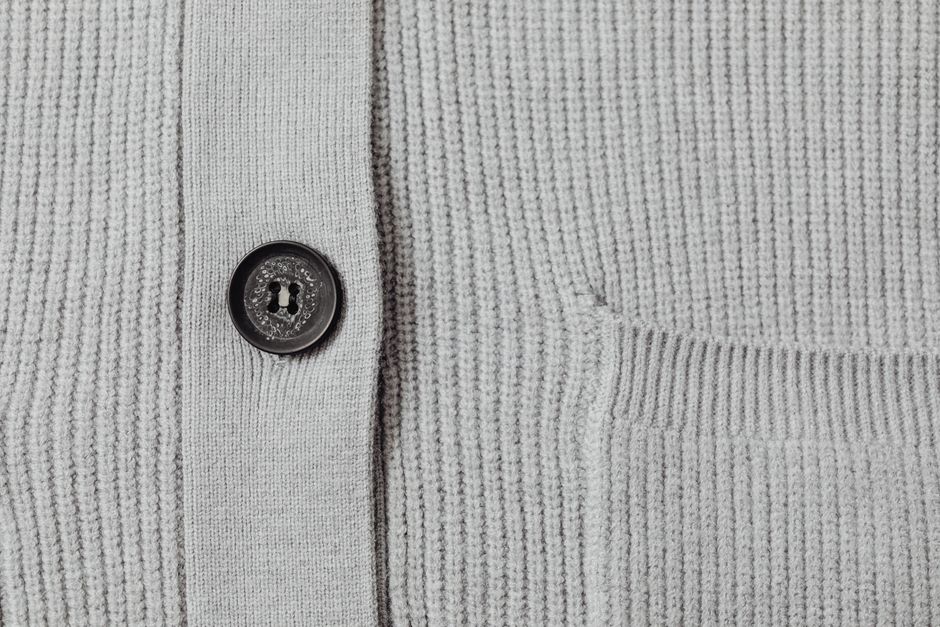
There is no magic number, but a useful winter capsule needs enough variety for seven to ten days of normal life without constant laundry. The table below gives a practical starting point for one adult who works across casual and smart-casual settings. Adjust the count for climate, dress code, laundry access, and outdoor activity.
| Clothing group | Starting count | Keep when | Edit when |
|---|---|---|---|
| Winter coats | 2 | One handles rain and one handles dry cold | Both serve the same weather and dress level |
| Warm knitwear | 4 to 5 | Each has a distinct weight, color, or neckline | Three pieces create the same outfit |
| Base layers | 3 to 4 | They fit under your main layers without bunching | They itch, stretch, or remain unworn |
| Trousers and jeans | 4 to 5 | Every pair works with at least three tops | You avoid the fit or only wear one pair |
| Winter skirts or dresses | 1 to 3 | They work with tights and warm shoes | They need a special event to leave the closet |
| Everyday shoes | 3 | One walking pair, one smart pair, one wet-weather option | A pair hurts, leaks, or repeats another role |
| Accessories | 1 to 2 each | They solve warmth or add a useful color | You own several versions that never leave the drawer |
These counts are limits for editing, not rules for personal style. A person in a snowy city may need two weatherproof shoes, while someone in a mild climate may need only one coat. The best capsule is the smallest wardrobe that covers real activities without forcing uncomfortable outfits. Start with the numbers, then let evidence from your calendar make the final decision.
Why buying a spring-sale bargain can still be a mistake
A discount does not reduce the cost of an item you will not wear, and a low price cannot fix the wrong shape, fabric, or color.
How to edit your capsule winter wardrobe in one afternoon

Do the edit before browsing sale pages. Use a bed or clean floor, five bags or boxes, a phone camera, and a timer set for 90 minutes. The goal is a decision, not a perfect closet display.
- Record the weather gap. Write down the three winter situations that caused trouble, such as wet commutes, cold offices, or casual dinners. This list becomes your buying filter.
- Empty one category at a time. Start with coats, then knitwear, trousers, footwear, and accessories. Category-by-category sorting makes duplicate functions easier to see.
- Test the full outfit. Put each questionable piece on with real underwear, shoes, and outerwear. A sweater that looks good alone may fail under your coat or ride up over trousers.
- Mark repairs separately. Use a label for missing buttons, loose hems, broken zips, and pilling. Set a repair deadline within 14 days. If you will not pay to fix it, stop pretending it belongs in the active capsule.
- Photograph strong combinations. Take quick mirror photos of eight to twelve outfits. Save the useful ones in a phone album called Winter. This exposes gaps without relying on memory.
- Build a sale shortlist. Add only items that solve a recorded gap. Write the maximum price, preferred fabric, color, and required measurements before shopping.
- Apply the 48-hour pause. Leave every non-essential item in the cart for two days. A piece that still solves the same problem after the pause has a stronger case than an item bought from a countdown banner.
This process creates a practical boundary between a wardrobe need and a seasonal mood. It also protects the money you saved by editing in the first place.
What a useful winter capsule must do in real life
A capsule wardrobe exists to reduce repeated decisions while preserving enough choice for changing weather, social settings, and personal comfort. That first principle matters because many wardrobe edits fail at the same point: they count items instead of measuring jobs. Ten sweaters do not create variety if all ten need the same mild temperature, the same bra, and the same narrow trouser shape.
Build around temperature changes
Winter clothing works as a system of layers. A base layer manages sweat, a middle layer adds insulation, and an outer layer blocks wind or rain. If one layer cannot fit comfortably over another, the system breaks. Check sleeve width, arm movement, neckline height, and coat length. A thin merino top may solve more problems than a bulky jumper because it works under tailoring, denim, and a waterproof shell.
Measure cost per wear honestly
Divide the purchase price by realistic wears, not imagined wears. That calculation supports the boots only if they suit your walking route, climate, and clothing style. If salt, deep snow, or heavy rain demand a different sole and upper, the famous model may be the wrong purchase despite its reputation.
Match fabric to care capacity
A washable cotton blend may serve you better. The same trade-off applies to a waxed Barbour Beadnell jacket: it can last for years, but it needs rewaxing and may feel too warm or stiff for mild city winters. The best winter capsule balances durability with the care you can sustain.
My strongest recommendation is to judge every piece by repeated use, not brand status. A less famous item that fits your week beats a prestigious item that waits for an imaginary lifestyle.
Winter wardrobe editing questions with clear answers

Should I keep a coat I wore only twice?
Keep it if those two wears covered a rare but real need, such as formal events, heavy rain, or extreme cold. Remove it if you avoided the coat because of poor fit, awkward weight, or difficult styling. Rarity alone does not make an item useful.
Should I buy a replacement before selling the old item?
Only when the old item has a safety or weather problem, such as a leaking shell, unsafe sole, or broken fastening. For ordinary style dissatisfaction, sell or donate first. The empty space gives you clearer evidence about the gap and reduces duplicate buying.
How do I decide if a sale color belongs in my capsule?
Hold the color against your face in daylight and match it with three existing outfits. If it needs a new coat, new shoes, and new accessories before it works, the sale price hides a larger spending plan. Choose the color that connects to your current wardrobe, not the shade that looks most dramatic on a product page.
What should I do with sentimental winter clothes?
Move them outside the active capsule into a labeled memory box. A sentimental item can remain meaningful without taking up daily wardrobe space. Review the box once a year, and keep only what still carries a clear memory.
What to buy after the winter wardrobe edit
Buy one missing function, not a new aesthetic.
Choose the item with the widest outfit reach
Count combinations before paying. A new piece should work with at least three bottoms, two outer layers, and the shoes you already own. A neutral cashmere sweater may offer more reach than a bold patterned knit, while a practical waterproof jacket may add more value than a third wool coat.
Know when not to buy
Skip the purchase if the item duplicates a piece you own, needs a different body shape than yours, requires care you will avoid, or only works with clothes you plan to buy later. Also skip it if the store’s return policy makes fit testing risky. A sale deadline is not a wardrobe emergency.
The clearest verdict is this: edit first, set one evidence-based gap, and buy only the item that solves it repeatedly.
The best capsule winter wardrobe is not the one with the fewest clothes; it is the one where every remaining piece earns its space before the next sale begins.