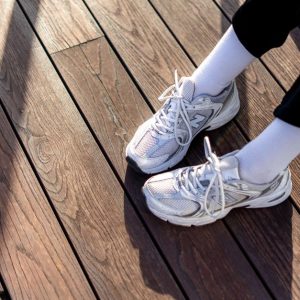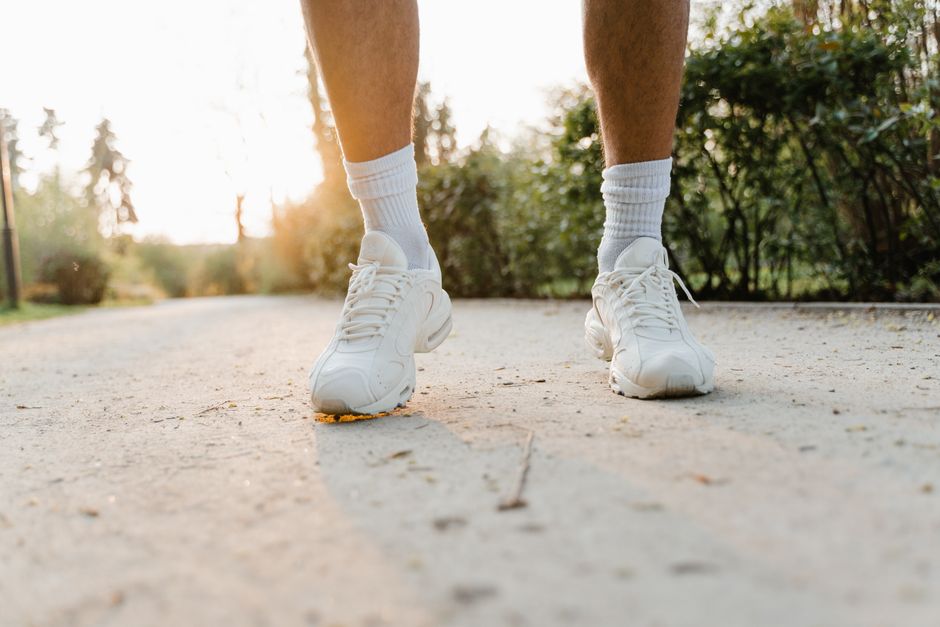
Boot socks have one job that ordinary crew socks often fail: stay in place inside a moving boot. The best pair grips the calf, manages heat, and adds cushion at the pressure points without turning a fitted boot into a vise.
Why Boot Socks Slip, Bunch, or Feel Too Thick
The real problem is friction and fabric balance
A boot sock slips when the fabric moves more easily against your skin than it moves against the boot. Sweat makes that problem worse. A loose cuff slides down, then the extra fabric gathers around the ankle. That creates a wrinkle, and the wrinkle becomes a pressure point.
Bulk comes from three places: dense cushioning, a tall folded cuff, and fabric that does not recover after stretching. A thick sock can feel soft in your hand but still fit badly inside a narrow shaft. The foot then pushes forward, the heel lifts, and the sock pulls down with every step.
Why a thin sock can still feel supportive
A low-bulk sock does not need to be paper-thin. It needs cushioning in the right zones. A thin knit across the instep leaves room for the boot, while a reinforced heel and toe protect the areas that take the most friction. A ribbed cuff can hold the calf without needing heavy elastic.
The best construction also matches the boot. A western boot with a loose shaft needs a taller cuff and stronger recovery. A sleek Chelsea boot needs a smooth, light cushion that will not crowd the ankle. For most everyday leather boots, a crew sock with light cushioning is the right starting point.
Bottom line: stay-put performance comes from cuff recovery, correct height, and zoned cushioning. Thickness alone does not solve slipping.
Best Low-Bulk Boot Socks Compared by Height and Price
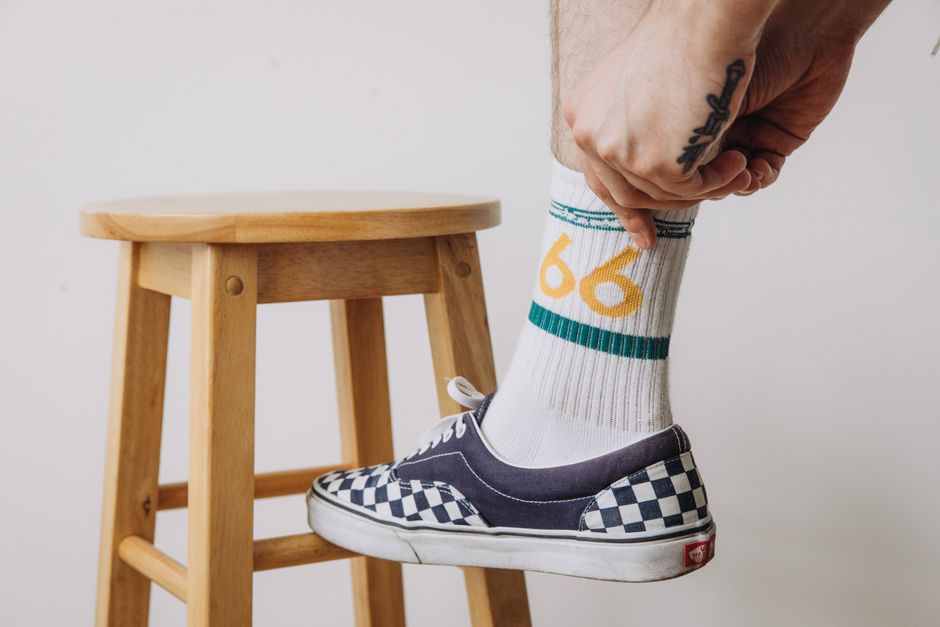
These are the strongest starting points for shoppers who want a secure fit without a padded hiking-sock feel. Prices below reflect typical list prices in 2026 before temporary sales, and sock prices can change by color and size.
My clear pick for most boots
The Darn Tough Women’s Light Hiker Micro Crew Light Cushion is the best overall choice. Its light cushion protects the heel and ball of the foot without filling the shaft, and the merino blend handles temperature swings better than standard cotton. The micro-crew height also leaves less fabric to fold than a knee-high sock.
When a taller sock is worth the extra fabric
Choose the Bombas Merino Wool Blend Calf Sock for a boot that reaches mid-calf or higher. The added height gives the sock more surface area to grip the leg, which helps prevent sliding. It is not the lowest-bulk choice, so it loses to Darn Tough inside a narrow ankle boot. For tall boots, though, Bombas is the better fit.
Bottom line: buy Darn Tough for general walking boots, Bombas for tall fashion boots, and Sockwell only when firm compression solves a real standing or travel problem.
How to Fit Boot Socks So They Stay Up
1. Measure the boot before choosing the sock
- Put on the boots with the footbed and insole you actually use.
- Measure the inside shaft from the footbed to the top edge.
- Mark the point where the boot presses against your calf or ankle.
- Choose a sock that reaches at least 2 inches above that pressure point.
A sock that ends directly under the boot edge often rolls down because the shaft catches the cuff. A sock that reaches far above the edge spreads the tension over more skin. That small height difference can matter more than buying a thicker fabric.
2. Put the sock on in the correct order
- Turn the sock inside out until only the heel pocket remains exposed.
- Place your heel fully into the pocket.
- Pull the fabric over the ankle, then smooth the instep.
- Raise the cuff in small sections instead of yanking from the top.
- Run two fingers around the cuff to remove a twist or folded edge.
Do not pull a sock tight from the cuff. That stretches the elastic before the foot is seated, and the cuff can lose its hold by midday. Smooth the fabric over the ankle first, then set the upper section at its natural height.
3. Check the boot after ten minutes
Walk, climb stairs, and sit down. If the sock slides during this short test, it will not improve during a full day. If your toes feel crowded, the problem may be the boot volume rather than the sock. A thinner pair is the right answer only when the boot has enough heel hold.
Bottom line: correct height and a fully seated heel prevent more slipping than extra cushion. Test the sock with the finished outfit, not in isolation.
The Mistakes That Create Bulk and Slipping
My strongest recommendation is to stop buying thicker socks as a fix for loose boots. Extra padding can hide a fit problem for an hour, then create pressure across the toes and instep. The better solution is to match the sock to the boot’s empty space.
Mistake 1: choosing a heavy cushion for a narrow boot
Heavy cushion takes room from the foot. In a narrow boot, that can push the toes together and raise the heel, which makes the sock slide. Use light cushion under the forefoot and heel unless the boot has a roomy toe box. If you need warmth, improve the boot’s insulation rather than stacking thick socks.
Mistake 2: buying a loose cuff or the wrong size
A cuff that feels comfortable in the package may be too loose after several hours. An oversized sock also creates extra fabric at the ankle. Check the brand’s foot-length range, then choose the smaller size when your measurement sits near the overlap between two sizes and the cuff is known to run loose.
Mistake 3: ignoring the boot interior
Rough stitching, a raised heel seam, or a smooth synthetic lining can defeat a good sock. Inspect the boot with your hand. If one spot catches the fabric, fix that spot with a thin insole, a heel grip, or a professional repair. A new sock cannot correct a sharp seam.
Skip tall compression socks if you have no reason to wear compression and dislike pressure around the calf. Skip thick wool socks in a close-fitting fashion boot. Skip ultra-cheap multipacks for long walks when their cuffs lose shape after a few washes.
Bottom line: reduce friction at the source. The right boot volume, smooth interior, and correct sock size matter more than maximum padding.
Which Boot Sock Should You Buy?
What is the best sock for everyday walking boots?
Buy the Darn Tough Women’s Light Hiker Micro Crew Light Cushion. Its micro-crew height stays clear of the boot edge without adding a tall folded cuff.
What is best for tall fashion boots?
The calf height gives a tall boot more fabric to hold, while the merino blend handles warmth better than cotton. If the boot is very narrow, choose the Smartwool Women’s Hike Light Cushion Crew instead because its light cushion takes up less interior space.
When should you choose compression?
Its 20-30 mmHg rating is a real compression level, not a vague promise of support. For simple sock retention, it is unnecessary and may feel too tight.
For shoppers comparing payment options, keep the math plain. This is not financial advice; it is a reminder to compare the final cost with the cash price.
Final verdict: the Darn Tough Women’s Light Hiker Micro Crew is the best single pair for staying up without bulk. The category is moving toward thinner zoned cushioning, better merino blends, and more precise calf sizing, so future boot socks should feel less like extra insulation and more like a fitted part of the boot itself.