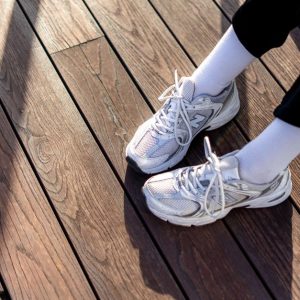
You leave home in a padded coat, step over a ridge of gray snow, and spend lunch walking on bare pavement. By three o’clock, your insulated winter boots feel too warm, but sneakers would be a mistake. That is the February thaw problem: the weather changes faster than your wardrobe.
The best answer is a lighter ankle boot with enough traction for wet pavement, enough coverage for slush, and a shape that works with denim, trousers, and early spring skirts. The switch should happen when the ground becomes more demanding than the temperature, not on a fixed calendar date.
How to switch from heavy boots without a cold, wet commute

Make the change in stages. Keep heavy boots available for snow, freezing rain, and long outdoor walks. Use lighter ankle styles on days when the route, not just the temperature, supports the change.
- Check the walking surface. Choose lighter boots when most of the route is cleared pavement, compact gravel, or dry sidewalk. Stay with winter boots when you expect deep slush, black ice, or snow above the ankle.
- Measure your sock and insole combination. Try the boot with the socks you will actually wear. Leave about 10 to 15 millimeters of space in front of your longest toe. Your heel should stay in place when you walk, but your toes should still move freely.
- Test the sole indoors. Bend the forefoot. A transitional boot should flex near the ball of the foot while the heel remains stable. A sole that feels like a rigid platform may be safe in snow but tiring on a long city walk.
- Inspect the opening. The top edge should sit close to your ankle without rubbing. A loose opening lets cold water enter. A tight opening becomes uncomfortable when you wear thicker socks.
- Plan for drying. If the boots become wet, remove the insoles and let the pair dry at room temperature. Do not place leather directly against a radiator. Sudden heat can stiffen leather, damage adhesive, and crack finishes.
- Match the boot to the day. Use a low-profile pair for office days and dry sidewalks. Choose a lugged pair for wet parks, salted paths, and commutes with several changes in elevation.
This process prevents the most common mistake: choosing a boot because it looks lighter, then discovering that its smooth sole and low opening cannot handle thaw conditions. The right change feels gradual. Your feet stay dry, your stride stays natural, and the outfit looks less like winter equipment.
A five-minute morning check
Before leaving, look at the lowest temperature, the precipitation type, and the route surface. Rain on bare pavement favors a sealed ankle boot. Wet snow favors more tread and a taller opening. Ice favors traction above all else; a fashionable shape cannot compensate for a slick outsole.
How to style lighter boots when winter clothes still dominate

Use proportion to make the outfit feel lighter
The strongest February outfits keep one winter piece and loosen the rest. Wear a shorter ankle boot with straight-leg jeans that sit just above the shaft, then add a wool coat that ends near the knee. This creates a clean break at the ankle and avoids the bundled-up look that comes from pairing tall boots, long layers, and heavy denim. For wide-leg trousers, choose a boot with enough sole height to keep the hem off wet pavement, but avoid a very narrow toe that disappears under the fabric.
Build around one controlled contrast
Pair a lugged black boot with a soft knit skirt, or pair a slim brown Chelsea boot with a structured wool trouser. The contrast makes the transition visible without making the outfit feel forced. Black boots look sharper with charcoal, navy, cream, and denim. Brown boots work well with olive, camel, faded blue, and warm gray. If your coat is oversized, keep the boot shape relatively neat. If your trousers are slim, a sturdier boot can add useful balance.
For dresses, wear opaque tights when the air still feels wintry and switch to sheer tights only when the ground is dry. The boot should look intentional rather than like a leftover from January. A visible sock cuff can soften a chunky style, but keep the sock close in color to the boot if you want a longer leg line.
Five mistakes that make the February switch fail
The wrong transitional boot usually fails in a small, predictable way. It looks right indoors, then becomes uncomfortable, unsafe, or difficult to style outside.
- Switching by date instead of conditions: February can bring rain, ice, or fresh snow in the same week. Keep the heavier pair ready until the forecast and route both support a lighter style.
- Choosing a smooth fashion sole: A sleek outsole may look polished, but it gives little help on wet leaves, slush, or painted crosswalks. For city walking, choose visible tread and a stable heel.
- Buying too tight for thick socks: A boot that fits with thin hosiery may squeeze your toes with wool socks. Try both combinations before buying. Pressure at the toe box becomes worse during long walks.
- Ignoring water care: Untreated leather absorbs salt and dirty meltwater. Clean the upper after exposure, let it dry fully, and apply a conditioner or protector suited to the material.
- Assuming every Chelsea boot is waterproof: Elastic side panels and pull-on openings can let water enter. They are practical, but they still need a close fit and sensible route planning.
- Buying a heel for a walking day: A three-inch heel changes your balance on uneven pavement. For commuting, choose a block heel under two inches or a flat sole with a firm heel counter.
When not to buy a lighter ankle boot
Skip the lighter pair if your daily route includes deep snow, untreated sidewalks, frequent freezing rain, or long periods standing outside. A warmer, taller boot is the safer choice. Also skip a new leather pair just before a major walking trip. Break-in blisters can turn a stylish purchase into an avoidable problem.
When a sneaker is the better alternative
Choose a weather-treated sneaker when the day is dry, your route is short, and you want maximum flexibility with casual clothes. A sneaker usually feels lighter and bends more easily than an ankle boot. It loses when puddles, cold wind, or slush enter the picture. The best alternative depends on the ground, but the decision should start with protection rather than the outfit.
February thaw ankle boots: quick answers before you switch

Can I wear ankle boots in snow?
Yes, if the snow is shallow and the boot has a sealed upper, a close ankle opening, and a treaded outsole. Ankle boots are not a substitute for tall snow boots in deep accumulation. Snow can enter over the opening, and wet fabric or leather can chill your feet quickly. For a short walk across cleared sidewalks, a lined ankle boot can work. For several hours outside, choose more coverage.
Are lighter boots warm enough for February?
They can be warm enough when paired with suitable socks and sensible route planning. Look for a leather or weather-treated upper, a substantial outsole that separates your foot from cold pavement, and enough interior space for a wool-blend sock. Avoid sizing down to create a close fit. Compressed toes reduce circulation and can make a boot feel colder.
Which style gives the best value?
The best value is a low, weather-ready Chelsea boot that works with jeans, trousers, and skirts. The Blundstone 585 is the most versatile option in the comparison because it offers a flexible pull-on design, a durable leather upper, and a shape that does not look tied to one season. The Dr. Martens 2976 is the better choice for a firmer sole and stronger visual contrast. The Vagabond Kenova is the style pick for a chunkier wardrobe, while the Sam Edelman Laguna suits polished, mostly indoor days.
| Your February situation | Best choice | Why |
|---|---|---|
| Wet sidewalks and mixed outfits | Classic Chelsea boot | Easy to wear, flexible, and neat with several trouser shapes |
| More grip and a stronger silhouette | Lug-sole ankle boot | Better traction and visual weight for denim or wide-leg trousers |
| Short walks and dressed-up plans | Low block-heel boot | Polished without the instability of a narrow high heel |
| Deep snow or untreated paths | Keep the heavy winter boot | More shaft height, insulation, and protection from slush |
The cleanest switch happens when the boot matches the ground beneath you. Start with a grippy, weather-ready ankle style for thaw days, keep the heavy pair for real winter conditions, and let the rest of the outfit move toward spring in small steps.