Start With the Invitation, Not the Dress
What should you wear to a winter wedding when the ceremony, reception, and weather all demand different things? Start with the invitation. The dress code sets the level of formality, while the venue tells you how much warmth and walking comfort you need. A downtown hotel, heated barn, church, and outdoor ceremony each call for a different outfit strategy.
Decode the dress code first
Black tie calls for a floor-length gown or a very polished column dress, elegant jewelry, and dress shoes. Formal attire allows a long dress, a refined midi, or a tailored jumpsuit in a rich winter color. Cocktail attire works best with a knee-length or midi dress, a dressy suit, or a structured skirt-and-top combination. If the invitation says festive, you can add texture, shine, or a stronger color while keeping the shape refined.
Do not treat “semi-formal” as permission to wear a casual sweater dress with everyday boots. The outfit should still look intentional in photographs and under evening lighting.
Match the venue and weather
Check the forecast seven days before the event, then check it again on the morning of the wedding. If the ceremony includes outdoor photos, plan for at least 20 minutes outside. Choose sleeves, a lined coat, and closed-toe shoes when temperatures are below 45°F. For snow or wet pavement, wear practical boots during travel and change into formal shoes indoors.
The strongest starting point is simple: select the correct formality level, then build warmth around it. That keeps the outfit appropriate instead of turning it into winter clothing with a few party accessories.
Use Three Warm Layers That Still Look Formal
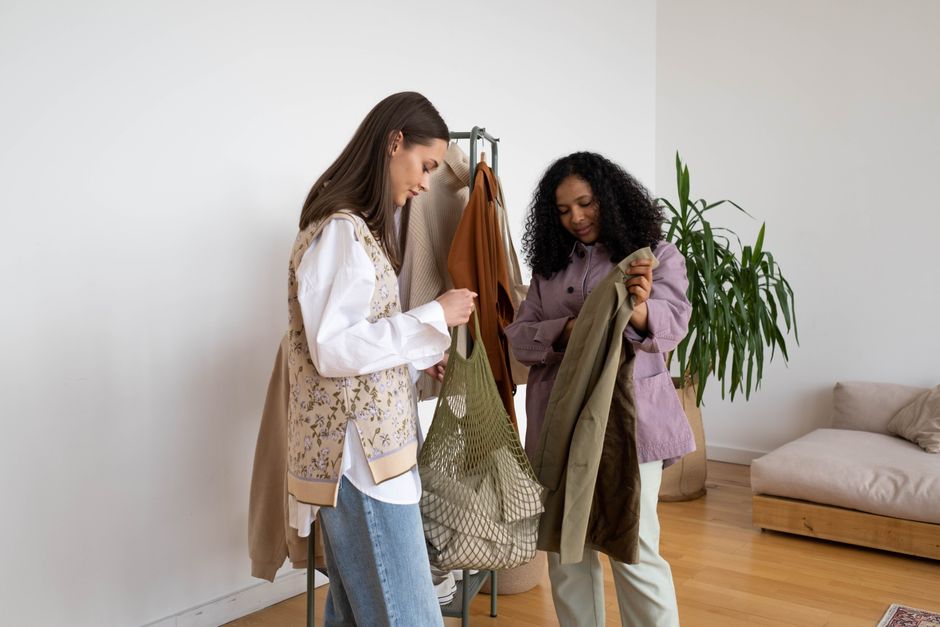
The best winter wedding formula is a thin base layer, one polished outfit layer, and one weather-ready outer layer. Bulky clothing creates fit problems around the shoulders and waist. Thin, smooth layers keep the shape clean and let you remove pieces once the reception gets warm.
- Start with a hidden base. A lightweight camisole, long-sleeve thermal, or fine merino layer works under a dress without changing its silhouette. Pick a neckline that stays below the dress edge and a hem that does not show through the fabric.
- Choose winter-weight texture. Velvet, crepe, satin-backed fabrics, jacquard, and lined wool look more seasonal than thin jersey. Velvet adds warmth and photographs well under evening lights. Crepe resists wrinkles and works well for travel.
- Add a polished middle layer. A cropped jacket, satin wrap, fitted cardigan, or fine-gauge sweater can cover bare shoulders without making the outfit look casual. Keep the middle layer close to the body so it slides under a coat.
- Finish with a real coat. A knee-length wool coat looks more formal than a puffer and covers most midi dresses. Choose a coat with enough room for your sleeves. If you cannot lift your arms comfortably, the coat is too narrow.
- Protect your feet separately. Wear opaque tights and closed-toe shoes for cold venues. A block heel between 1.5 and 2.5 inches gives more stability on icy sidewalks than a narrow stiletto. Pack foldable flats only as a backup, not as the main plan.
Avoid layering a thick turtleneck under a fitted dress. It often bunches at the armholes and pulls the neckline out of place. A smooth base layer gives you warmth without announcing that you are wearing one.
Best Winter Wedding Guest Pieces by Dress Code
For most winter weddings, velvet is the safest fabric choice because it looks formal, adds visual depth, and does not require heavy embellishment. The products below are specific reference points, not mandatory purchases. Prices can change with color, size, and seasonal promotions.
Choose a dress by formality
| Dress code | Best shape | Winter detail | Reference piece |
|---|---|---|---|
| Black tie | Floor-length gown or column dress | Long sleeves, velvet, satin, or subtle sparkle | After Six Ruched Velvet Column Gown, listed at $289 |
| Formal | Long dress or refined midi | Rich color, lined fabric, elegant neckline | Kiyonna Verona Velvet Gown, listed at $198 |
| Cocktail | Velvet midi or structured knee-length dress | Opaque tights and a wool coat | J.Crew Devoré Velvet Slip Dress, listed at $378 |
| Festive | Statement midi or dressy separates | Jewel tones, metallic accessories, texture | Mac Duggal Embellished Illusion High Neck Fit & Flare, listed from $348 |
Pick the clearest winner
For a formal evening wedding, the After Six Ruched Velvet Column Gown is the strongest value because its $289 price sits below many designer-level gowns while the column shape remains easy to style. For cocktail attire, choose the J.Crew Devoré Velvet Slip Dress when you want a sleek look with a simple coat and pointed shoes. The Mac Duggal fit-and-flare is the better choice for guests who want more coverage through the arms and torso.
Do not buy a gown only because the color looks festive online. Confirm the return policy, check the lining, and read the care instructions. Dry-clean-only velvet may cost more to maintain than the dress itself.
Winter Wedding Outfit Mistakes That Ruin the Look
My strongest advice: do not solve cold weather with one oversized layer. A large coat over a thin dress can hide the outfit, crush the shoulders, and leave your legs cold. Build warmth in smaller pieces so the final look keeps its shape.
- Wearing casual snow boots to the reception: Use weatherproof boots for the commute, then change into formal shoes at the venue. Wet rubber soles and chunky hiking profiles rarely suit cocktail or formal clothing.
- Choosing a bare-shoulder dress for an outdoor ceremony: A small evening bag will not replace a coat. Add sleeves, a lined wrap, or a tailored jacket before you leave home.
- Using nude tights with a winter-white dress: The combination can look disconnected in a dark venue. Black, espresso, or matching opaque tights create a stronger visual line with winter colors.
- Buying shoes that fail on hard floors: Test the shoes on tile before the event. A slippery sole can make walking, dancing, and stairs stressful. Add a thin grip pad if needed.
- Ignoring the coat check: A huge puffer, wet scarf, or bulky backpack can become an annoyance all evening. Carry only a small bag and choose outerwear that fits on a standard hanger.
Skip a delicate satin slip dress when the ceremony includes long outdoor photos and the forecast is below freezing. Pick velvet, crepe, or a lined dress instead. Style should support the event, not make you spend the evening protecting your outfit from the weather.
Winter Wedding Guest Questions, Answered
Can you wear black to a winter wedding?
Yes. Black works especially well for evening ceremonies, formal dress codes, and city venues. Add texture through velvet, satin, lace, or polished metal jewelry so the outfit looks deliberate rather than office-ready. Avoid an all-black outfit that uses casual jersey and flat everyday shoes.
Are boots acceptable with a winter wedding guest dress?
Yes, when the boots look sleek and the dress code allows it. Choose narrow ankle boots with a clean upper, low shine, and a heel around 1.5 to 2.5 inches. For black tie, change into pumps or formal sandals indoors. For cocktail attire, a refined ankle boot can work with opaque tights and a midi hem.
What should you wear to a wedding in a snowy location?
Wear a lined dress, opaque tights, a wool coat, and weatherproof shoes for travel. Keep the formal shoes in a shoe bag and change after arriving. Choose a hem that stays several inches above the ground so snow and slush do not soak the fabric.
What is the safest color for a winter wedding guest outfit?
Deep green, burgundy, navy, plum, charcoal, and chocolate brown are reliable choices. They feel seasonal without competing with the couple’s attire. Avoid white, ivory, and very pale champagne unless the invitation specifically requests them.
For most guests, the clearest recommendation is a jewel-tone velvet midi dress, opaque tights, a knee-length wool coat, and comfortable closed-toe shoes. That combination handles cold weather, photographs well, and fits the formality of the majority of winter weddings.