The best plus size jeans for apple and pear shapes start with measurements, not a flattering label. Check the waistband, rise, thigh room, stretch recovery, and inseam in that order. This method quickly separates jeans that fit your body from jeans that only look good on the hanger.
Start With Your Shape, Not the Size Tag
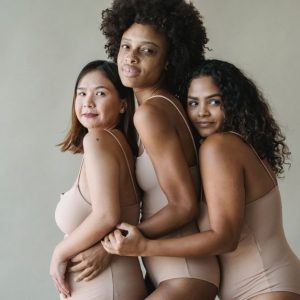
Body-shape labels help you choose a starting cut, but they do not replace measurements. An apple shape usually carries more fullness through the stomach and waist, while the hips and legs may be narrower in comparison. A pear shape normally has a smaller waist with more volume through the hips, seat, and upper thighs. Neither shape needs to be disguised. The useful question is where your jeans need extra fabric and where they need firm support.
Choose the waistband before the leg style
Apple shapes should begin with a contoured or curved waistband, a mid-to-high rise, and at least 1% elastane. A straight waistband often creates a gap at the back or digs into the stomach when you sit. Look for a front rise of roughly 11 to 13 inches in plus sizes, then check that the waistband lies flat without rolling. A wide waistband is helpful, but a wide waistband with poor recovery will still slide down during the day.
Give the hip and thigh enough room
Pear shapes should choose jeans by the fullest hip and thigh measurement, then adjust the waist if needed. Curvy cuts add room through the seat while keeping the waist narrower than a standard block. A bootcut, straight leg, or relaxed wide leg balances a fuller lower half without squeezing it. For both shapes, fabric should skim the body rather than stretch into shiny horizontal lines across the hips.
Use This 10-Minute Dressing-Room Fit Check

Try on two sizes and two cuts whenever possible. Start with the larger size if the fabric feels tight at the fullest point; a tailor can reduce a loose waist, but fabric cannot be added to a strained hip.
- Check the rise: Sit in the jeans for 30 seconds. The waistband should stay secure without cutting into your stomach or exposing a gap at the back.
- Check the pocket position: Back pockets should sit on the fullest part of the seat. Pockets that point outward usually mean the jeans are too tight through the hip.
- Check stretch recovery: Pinch the fabric at the thigh and release it. If it stays baggy after a few seconds, the jeans may lose their shape after one long wear.
- Check the side seam: Walk, sit, and climb one step. The seam should remain vertical instead of twisting toward the front or pulling toward the back.
- Check the hem with your real shoes: A full-length straight leg needs to skim the top of your shoe, while a cropped cut should finish at the narrowest part of the ankle.
Do not judge denim while standing still. A pair that looks smooth in a mirror can pinch when you sit, slide down when you walk, or create a waist gap after ten minutes of movement. The winner is the pair that stays comfortable through all three positions.
Apple and Pear Jeans Need Different Fit Priorities
The right cut solves a specific pressure point. Use this table before choosing a wash or trend detail.
| Fit concern | Apple shape priority | Pear shape priority | Best starting point |
|---|---|---|---|
| Waist | Contoured band with gentle front support | Curved band that narrows at the back | High-rise or long mid-rise |
| Hip and seat | Moderate room without excess fabric | Extra room at the fullest hip | Curvy block for pear shapes |
| Thigh | Straight or relaxed thigh | Roomy thigh with clean waist fit | Straight, bootcut, or wide leg |
| Fabric | 1% to 3% elastane with firm recovery | Stretch at the hip and thigh, stable waistband | Denim with structure, not thin jegging fabric |
| Hem | Full-length or ankle straight leg | Bootcut or wide leg for balance | Measure your inseam before ordering |
My strongest general recommendation is a structured stretch jean with a clean front and a waistband that follows your body. Very soft denim feels pleasant at first but often creates knee bags and waist slippage. Rigid denim can look polished, yet it is a poor first choice if you need room for a fuller stomach, hip, or thigh.
My Clear Picks for a First Pair
Start with Good American Good Waist Straight Jeans if you want the most forgiving all-purpose fit. The brand lists this high-rise style at about $149, with extended sizing reaching size 32. Its contoured waist and firm stretch work well for an apple shape that needs stomach comfort without a loose seat.
Best for a fuller stomach: Good American Good Waist
The Good Waist is the clearest apple-shape pick because the rise sits high and the waistband is designed to reduce the back gap. Choose a straight leg for everyday outfits and a dark wash for a cleaner line under sweaters or a blazer. The tradeoff is price: at around $149, it costs more than department-store denim. Buy it when waist comfort and repeated wear matter more than having several inexpensive pairs.
Best for a fuller hip: Universal Standard Seine Jeans
Universal Standard’s Seine Jeans are a strong pear-shape option because the line is built around inclusive sizing, commonly extending through size 40, with a close leg and stretch fabric. Prices often sit near $110. Pick the size that fits your hip, then test the waistband while sitting. The Seine works best when you want a slim silhouette but do not want the thigh area compressed.
Best lower-cost option: Lane Bryant Flex Magic Waistband Jeans
Lane Bryant’s Flex Magic Waistband styles usually list around $89.95 and come in several leg shapes and washes. The flexible waistband makes them useful for an apple shape with daily waist changes, while the relaxed and straight options suit pear shapes better than a very tight skinny cut. Choose this pair for comfort-first outfits, but inspect the fabric after sitting because softer denim may relax faster.
Best shaping feel: Levi’s 311 Shaping Skinny Jeans
Levi’s 311 Shaping Skinny Jeans often retail near $69.50 and combine stretch denim with a shaping front panel. They are the best value pick for someone who wants a narrow leg and light smoothing rather than a loose, relaxed fit. They are not the right choice for a pear shape with strong thigh sensitivity because the skinny leg can feel restrictive. Size for your thighs, not your smallest waist measurement.
Choose Curvy Denim When Standard Jeans Keep Failing
Curvy-fit jeans are the better buy when your waist is at least two inches smaller than your fullest hip. Standard denim blocks often use a small waist-to-hip difference, so the jeans either fit the waist and strain across the seat or fit the seat and leave a large gap behind you.
Do not buy a curvy cut only because the name sounds more flattering. Measure your natural waist, fullest hip, and upper thigh, then compare those numbers with the brand’s size chart. If the waist gap is small but the thighs feel tight, choose a curvy straight or bootcut. If the waist fits but the stomach feels compressed, move to a longer rise instead of sizing up blindly.
Skip heavily distressed denim when you need maximum durability at the inner thigh. Abrasion removes fabric exactly where fuller thighs create the most friction. Choose a medium-weight denim with reinforced stitching and stretch recovery instead.
Also skip rigid jeans as your first purchase if you spend long hours sitting, commute on foot, or need a comfortable stomach fit. Rigid denim can be excellent for a stable, structured look, but stretch denim wins for movement and daily wear.
Fix Waist Gaps, Thigh Pull, and Hem Problems
Why do my jeans gap at the back?
A back gap usually means the waistband is too straight for your waist-to-hip ratio. Try a curvy cut, a contoured waistband, or a smaller waist with more hip room. A belt hides the symptom but does not fix the fit; it can also bunch the fabric at your lower back. For a small gap, a tailor can add two waist darts without changing the hip fit.
What does pulling across the crotch mean?
Horizontal lines from the zipper toward the hips usually mean the jeans need more room through the rise, seat, or upper thigh. Do not solve this by choosing a larger waist if the stomach already feels loose. Try a higher rise, a curvy block, or a relaxed thigh. If the crotch seam feels low and saggy, the rise is too long and you need a different cut rather than a smaller size.
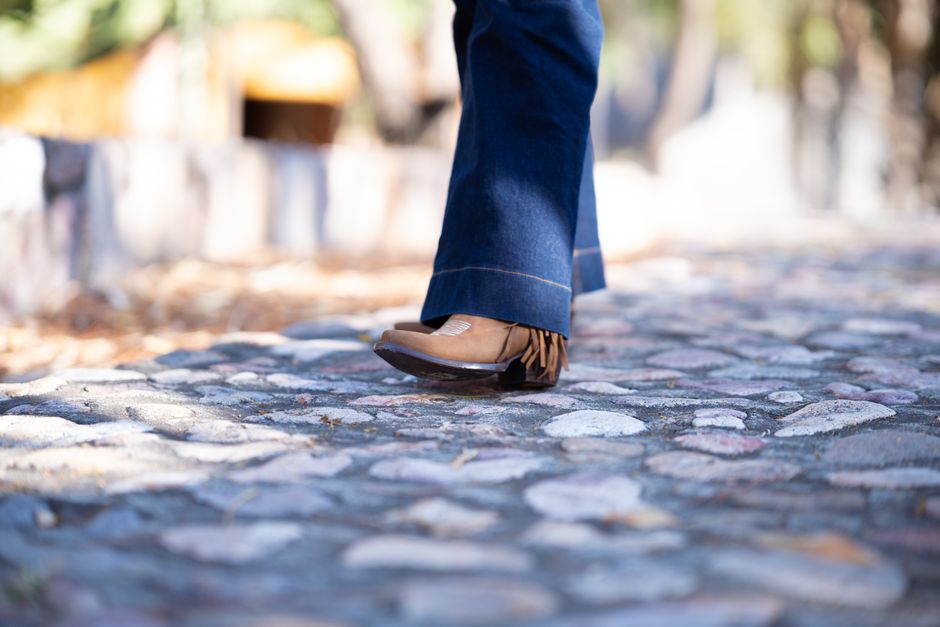
How should plus size jeans fit at the ankle?
Measure your inseam from the crotch seam to the hem of a pair you already like. Full-length jeans commonly fall near 29 to 32 inches, but brands vary. Apple shapes often get the cleanest line from a straight leg ending just above the shoe, while pear shapes can use a 31-inch bootcut or wide leg to create balance. The final verdict is simple: choose the pair that stays flat at the waist, moves over your fullest area, and keeps its shape after sitting. That fit will outlast a trend-driven cut that needs constant adjusting.