
What makes a wardrobe ethical in practice?
My view: an ethical wardrobe starts with buying less, then buying better. A label alone does not make a garment responsible. The useful question is what happens across the item’s life: how long it lasts, how often you wear it, how easy it is to repair, and what happens when you no longer want it.
Start with use, not a shopping list
Open your wardrobe and record what you wore during the last two weeks. You will usually find a pattern: the same three tops, one dependable pair of trousers, one coat, and shoes that work with almost everything. Those repeated outfits show where your real gaps are. They also expose fantasy purchases, such as formal pieces for events that rarely happen or trend items that only work with one outfit.
An ethical wardrobe solves a simple problem: it gives you enough reliable clothing without turning every mood or social event into a new purchase. A smaller wardrobe can still include color, prints, occasionwear, and personal style. The difference is that each piece earns space through use.
Judge the garment after the marketing disappears
Check the fiber content, stitching, care instructions, country of production, and repair options. Organic cotton can reduce some farming inputs, but it does not guarantee fair pay or a long-lasting garment. Recycled polyester can reduce demand for new fossil-based fiber, but it still sheds plastic fibers during washing. A responsible choice often involves tradeoffs.
Give extra weight to durability and cost per wear. A $120 jacket worn 80 times costs $1.50 per wear. A $35 jacket worn twice costs $17.50 per wear. That calculation will not solve every labor or climate issue, but it makes your buying decisions more honest.
How to build it one purchase at a time
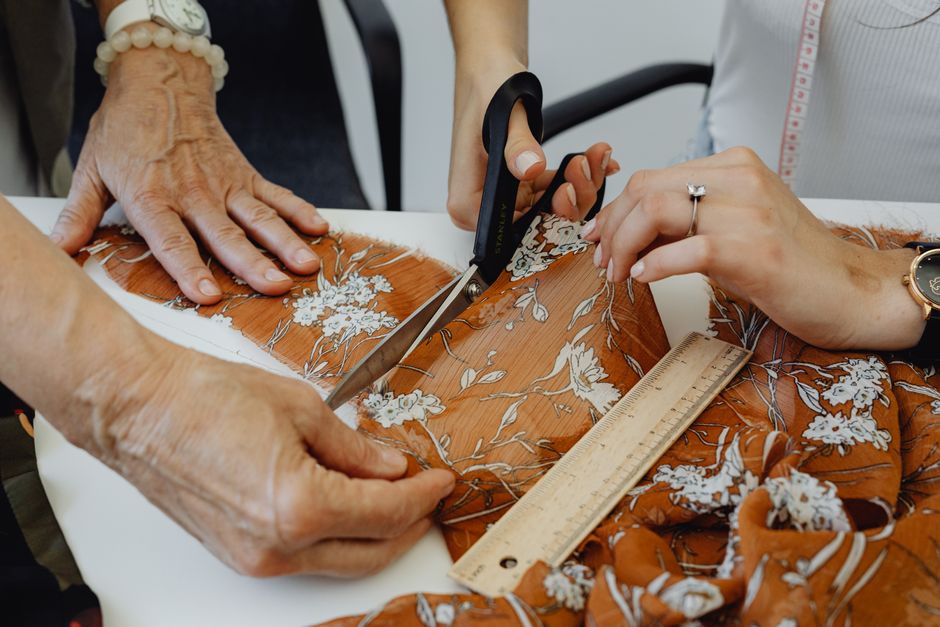
Do not replace your wardrobe in one weekend. Use a short buying order that protects your budget and reduces the chance of regret.
A five-step starting plan
- Audit seven days of outfits. Write down the clothes you reach for and the items you avoid.
- Repair before replacing. Fix loose buttons, broken hems, missing belt loops, and small holes. A local tailor can often solve these problems for less than a new garment.
- Set a gap list. Choose no more than three missing pieces, such as a washable knit, straight-leg trousers, or weatherproof boots.
- Search secondhand first. Use precise terms, measurements, and fabric filters. “100% wool navy coat, 40-inch chest” works better than “sustainable coat.”
- Buy new only after a two-week pause. During the pause, create at least three outfits with the item and check its care cost.
Use a wardrobe test before checkout
Every proposed purchase should pass four questions: Can I wear it with at least three pieces I own? Will I wear it at least 20 times in the first year? Can I wash or repair it without specialist care? Would I still want it if the brand removed its sustainability claims?
If the answer is no to two questions, leave it. This rule is especially useful for sale items. A 50% discount does not create value when the garment stays in the closet. It only lowers the price of a mistake.
Which wardrobe staples give the best value?
The strongest ethical wardrobe pieces are not always the cheapest or the most heavily certified. They are garments with clear materials, useful construction, and enough versatility to earn frequent wear. These examples show what to inspect; fiber mixes and certifications can change by style, so verify the exact product page before buying.
Compare the garment, not just the label
| Example | Useful specification | Best role | Main tradeoff |
|---|---|---|---|
| Patagonia Better Sweater | 100% recycled polyester fleece | Warm everyday mid-layer | Polyester can shed fibers and hold odor |
| People Tree organic cotton tee | Look for GOTS-certified organic cotton on the exact style | Breathable base layer | Organic cotton still needs water and careful washing |
| Nudie Jeans Lean Dean | Often made with organic cotton and a small amount of stretch fiber | Daily jeans with repair support | Stretch fibers can complicate recycling |
| VEJA Campo | Leather or alternative uppers vary by version | Low-profile everyday sneaker | Some materials need more care and are not fully biodegradable |
My picks for three common wardrobes
For a cold, casual wardrobe, the Patagonia Better Sweater is the most practical example because a fleece mid-layer can work under a coat, over a tee, and indoors when heating is low. For someone who wears denim most days, Nudie Jeans deserves the strongest look because repair access matters as much as the fiber claim. For a simple capsule wardrobe, a well-cut organic cotton tee from People Tree offers more use than a highly styled occasion top.
These are examples, not automatic ethical winners. The best choice is the garment you will wear often, wash correctly, and keep for years. A secondhand cotton sweater that already exists can be a better purchase than a new certified sweater bought for a single season.
What ethical fashion claims should you trust?
Trust comes from specific evidence, not green language. A brand should tell you what the garment is made from, where it was cut and sewn, how workers are covered, and how it handles repairs or returns.
Does organic cotton prove a garment is ethical?
No. Organic cotton addresses farming methods, not every stage of production. Look for a recognized certification such as GOTS, then check whether the claim applies to the complete garment or only the raw fiber. Also inspect fabric weight, seam quality, and care instructions. A thin tee that twists after two washes is not a strong long-term choice, even if its fiber certificate is valid.
Are recycled and vegan materials always better?
No. Recycled polyester can reduce the use of virgin plastic, while plant-based or synthetic leather can avoid animal materials. Each option has limits. Ask how long the material lasts, whether the item can be repaired, and whether it can be recycled at the end. A brand that publishes supplier details, repair policies, and clear material percentages earns more trust than one that repeats broad claims such as “conscious” or “eco-friendly.”
When should you buy new, secondhand, or not at all?
The right source depends on the garment’s job and the risks of getting it wrong. Secondhand is usually the first place to search for coats, denim, leather bags, wool sweaters, and occasionwear because these pieces often remain useful after the first owner moves on. It is also the best way to avoid creating demand for another new item.
Choose secondhand for durable, forgiving pieces
Look for fabric content, measurements, lining condition, and signs of moth damage or stretched elastic. For denim, inspect the seat, crotch, hems, and zipper. For coats, check the collar, cuffs, pockets, and lining. The Patagonia Worn Wear program is a useful model for thinking about repair and resale, even if you buy a different brand. The goal is to keep an existing garment in use, not to collect labels.
Buy new when fit, hygiene, or safety matters
New can make sense for underwear, activewear that needs reliable stretch, protective footwear, or a precise fit that rarely appears secondhand. Buy new for a clear reason, then choose a style you can wear across seasons. If you need winter boots, prioritize a replaceable insole, a grippy outsole, stitched or well-bonded construction, and enough room for your usual socks. Do not buy a delicate fashion boot for a wet commute simply because the materials sound responsible.
Sometimes the most ethical choice is no purchase. If your current item works, repair it, alter it, or change how you style it. An ethical fashion wardrobe is finished less by reaching a perfect number of pieces than by making each existing garment useful again.