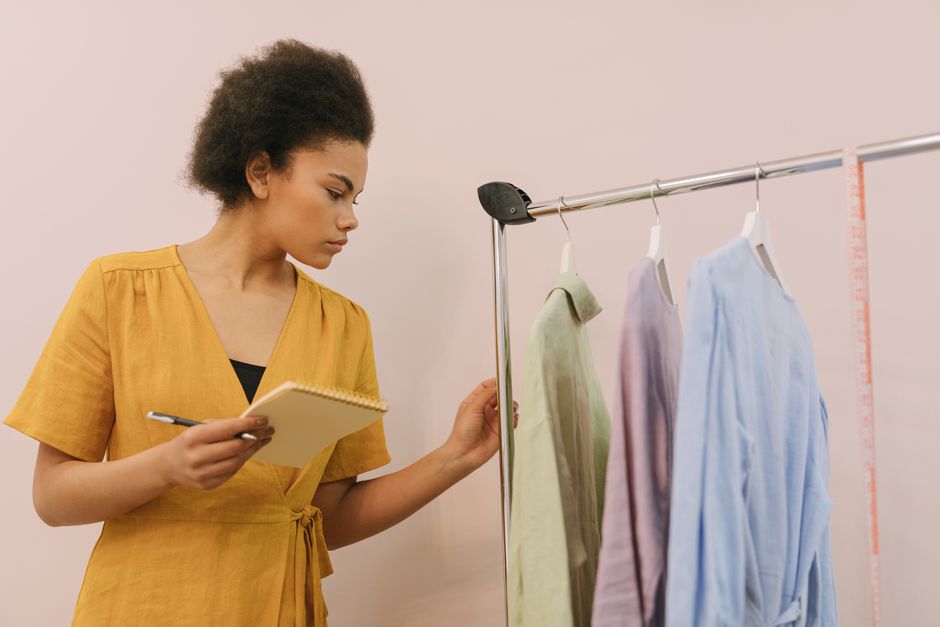
A larger closet does not create more outfit choices. It creates more small decisions, and those decisions are what slowed my mornings. I built a 20-item work wardrobe around repeatable outfits, comfortable fabrics, and shoes that could handle a full commute. The result was not a minimalist challenge. It was a practical system for getting dressed with less guesswork.
Why a 20-item work wardrobe works
The real problem is decision fatigue
Most work mornings contain the same basic questions: Is this polished enough, does it fit the weather, can I sit in it for eight hours, and will the shoes hurt by lunchtime? A closet packed with rarely worn pieces does not answer those questions. A smaller wardrobe answers them in advance. Each item has a job, and each job connects to at least three other pieces.
Outfit variety comes from combinations
Twenty pieces can create far more than twenty outfits. Four tops, four bottoms, three layers, three dresses, and six pairs of shoes already create dozens of combinations. The trick is to keep the color palette narrow enough for easy mixing. I used black, navy, ivory, gray, and one muted accent color. That choice made a striped shirt work with both trousers and a skirt without looking repetitive.
The best test is a normal workweek
A wardrobe earns its place when it works on an ordinary Tuesday, not only in a carefully photographed outfit. I kept pieces that survived sitting, walking, temperature changes, and rushed laundry days. The strongest item was the one I could wear twice in a week without needing a complicated styling plan. That standard removed several attractive but fussy garments.
How I chose the 20 pieces
I did not begin by shopping. I began by tracking what I actually wore for ten office days. That record exposed a simple pattern: I reached for soft trousers, easy layers, and shoes with stable soles. Formal pieces stayed untouched unless a meeting required them.
Start with a ten-day clothing audit
- Write down every work outfit for two weeks.
- Mark each item that caused discomfort, wrinkled quickly, or needed special underwear.
- Circle pieces worn at least twice.
- Count the colors that appeared most often.
Use a three-question filter
Before keeping a piece, I asked: Can I wear it with three items? Can I sit, walk, and reach comfortably in it? Can I wash or maintain it without delaying my week? If the answer was no twice, the garment left the core wardrobe. This removed clothes that looked good on a hanger but created work in practice.
Set measurable fit rules
My trousers needed a 28- to 30-inch inseam, a waistband that stayed flat while sitting, and enough ease to climb stairs. Blazers needed sleeves that stopped at the wrist and a back length near 25 inches. Shoes needed a heel under two inches and a sole with visible grip. Those numbers made shopping faster and cut down on hopeful purchases.
The 20-item wardrobe, mapped by job
The list below shows the role each piece played. The named products were reference points, not affiliate recommendations. My verdict is clear: spend most on the pieces worn three or more times a week, then save on trend-led colors and occasional layers.
| Item | Role | Reference or target |
|---|---|---|
| White poplin shirt | Formal base | Easy-care cotton |
| Blue striped shirt | Patterned base | Relaxed fit |
| Ivory knit shell | Layering top | Opaque fabric |
| Black fine-gauge knit | Cool-weather base | Merino or cotton |
| Quince Washable Stretch Silk Blouse | Polished top | About $59.90 |
| Black straight trouser | Meeting outfit | 28- to 30-inch inseam |
| Navy wide-leg trouser | Comfort option | Fluid fabric |
| Gray ankle pant | Everyday rotation | Wrinkle resistance |
| Uniqlo Smart Ankle Pants | Travel and office | About $49.90 |
| Everlane Way-High Drape Pant | Elevated trouser | About $148 |
| Black single-breasted blazer | Meeting layer | 25-inch back length |
| Camel cardigan | Soft layer | Midweight knit |
| Gray merino cardigan | Cold-office layer | Fine gauge |
| M.M.LaFleur Etsuko Dress | One-step outfit | About $295 |
| Black sheath dress | Formal event | Knee length |
| Printed midi dress | Accent outfit | Washable fabric |
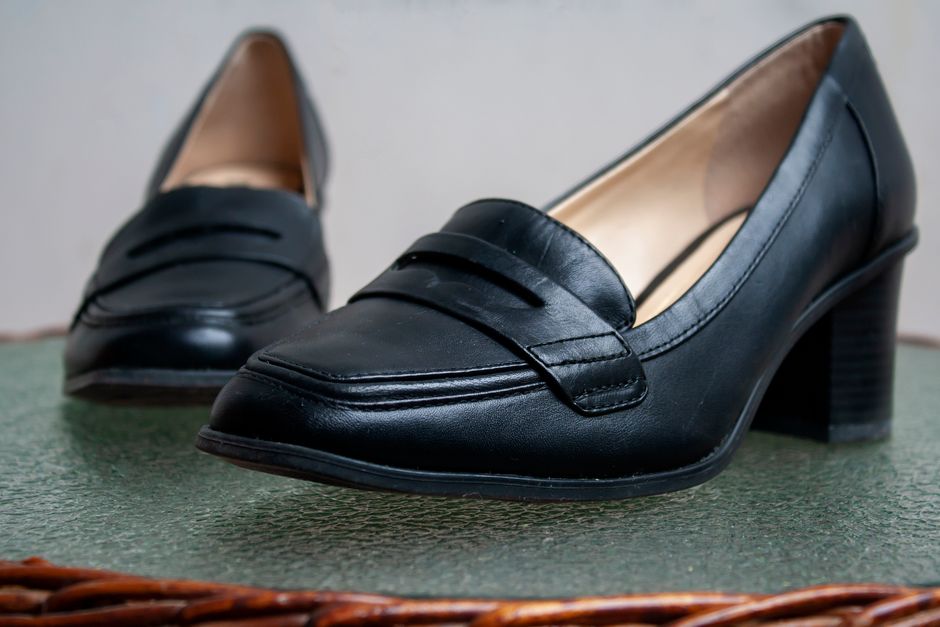
| Black leather loafers | Daily shoe | Low, stable heel |
| Vionic Willa Loafer | Supportive option | About $130 |
| Low black pumps | Formal shoe | Under two inches |
| Black weatherproof ankle boots | Winter commute | Rubber-grip sole |
The table includes five core tops and bottoms, six layers and dresses, and five footwear choices. That balance matters. A wardrobe with ten tops and one pair of trousers creates the same outfit repeatedly, while too many shoes consume space without solving daily dressing problems.
The morning system that saved time

My best improvement was assigning each outfit a formula before the week began. I did not plan a fully styled look for every day. I planned five reliable structures, then adjusted the color or layer according to meetings and weather.
Monday: formal base and strong layer
I paired a crisp shirt with straight trousers and a blazer. This became the default for presentations, interviews, and the first day back after a weekend. It took less than two minutes to assemble because the proportions were already tested.
Tuesday and Wednesday: soft structure
A knit shell or blouse went with wide-leg trousers and a cardigan. These outfits felt less rigid but still looked intentional. I used the same silhouette on both days and changed only the shirt color, jewelry, or shoes.
Thursday and Friday: one-step dressing
A dress removed the need to match a top and bottom. I kept a blazer nearby for formal meetings and used ankle boots when rain or cold made loafers impractical. On Sunday evening, I placed five complete outfits on one rail. That small action saved the most time because it moved the decision out of the morning rush.
Where I spent money and where I did not
My clear recommendation is to spend on fit, fabric recovery, and footwear comfort, then save on basic layering pieces. A costly blazer that pulls across the shoulders will not become useful through optimism. A modest shirt that washes well and fits the neckline can earn more wears.
Spend on high-frequency pieces
The Everlane Way-High Drape Pant at about $148 made sense for me because I wore it weekly and needed a fabric that kept its shape after sitting. The Vionic Willa Loafer at about $130 also earned its place because a supportive daily shoe protects the rest of the wardrobe from overuse. These are practical purchases only when the fit is right.
Save on low-risk basics
For simple shells, camisoles, and cardigans, I looked for easy care rather than luxury labels. The Uniqlo Smart Ankle Pants at about $49.90 were a useful budget reference for stretch and an ankle-length cut. I would not buy them for a strict formal office if the fabric looks too casual. For most business-casual settings, they offered the best value in the group.
Do not buy a piece for one imagined event
The M.M.LaFleur Etsuko Dress at about $295 is a strong one-step option, but it is a poor purchase if you attend formal events only once a year. Rent, borrow, or use the black sheath already in the closet instead.
Questions a small work wardrobe must answer
Can 20 items cover changing weather?
Yes, if layers do the seasonal work. A cardigan under a blazer handles a cold office, while a weatherproof ankle boot handles wet sidewalks. I kept summer-weight pieces out of the core count and rotated them in only when temperatures stayed above 70 degrees Fahrenheit for the week.
What if the office dress code changes?
Build around the strictest regular requirement, not the rarest one. A tailored trouser and blazer can become casual with a knit top and loafers. A very casual outfit cannot always become formal without looking forced. That makes structured layers the safer investment for a mixed office.
How often should the list change?
Review it every three months, but replace items only when a real problem appears. A missing size, worn sole, broken zipper, or repeated weather gap is a valid reason. A new color trend is not. The Quince Washable Stretch Silk Blouse at about $59.90 could add variety, but it should enter only if it replaces a top that no longer earns regular wear.
Mistakes that made the first version fail
The first version was too neat on paper and too demanding in real life. I had chosen several delicate fabrics, one uncomfortable heel, and a blazer that needed ironing every time. The wardrobe looked coordinated, but it did not support rushed mornings.
Common failure modes
- Buying five items in the same color while ignoring weather protection.
- Counting special-event clothing as daily workwear.
- Keeping trousers that require dry cleaning for every wear.
- Choosing shoes for appearance alone and walking less because of them.
- Ignoring laundry timing, so the favorite shirt is always unavailable.
The final verdict
For a commuter who wants faster mornings, a 20-item work wardrobe is the best size because it leaves room for variety without requiring daily outfit invention. Start with the pieces that solve repeat problems: comfortable trousers, washable tops, one useful blazer, and weather-ready shoes. Skip the limit if your job requires uniforms, protective clothing, or frequent formal events; those wardrobes need a different system. Clarity, not a smaller number, is the real goal.
This is not legal advice — consult a licensed attorney.