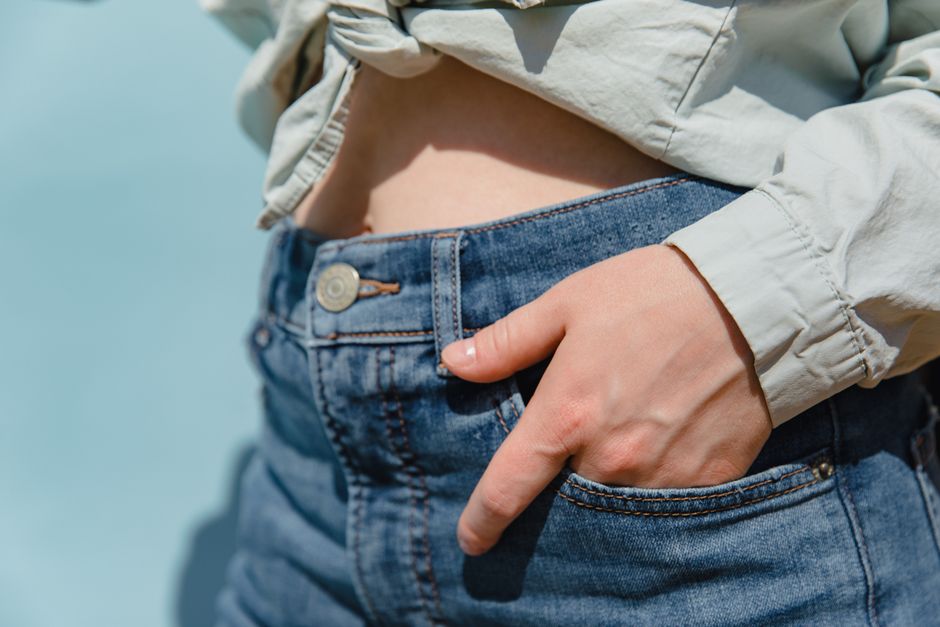
You find a pair of jeans that fits perfectly, then read the label and see vague claims about being green, conscious, or better for the planet. The price is high, but the details are thin. That is the problem with shopping for responsible denim in 2026: many jeans look similar, while their materials, factory practices, repair options, and end-of-life plans vary sharply. The smartest choice is not always the pair with the biggest sustainability claim. It is the pair you will wear often, repair when needed, wash carefully, and keep for years.
Why Denim Has a Bigger Footprint Than It Looks
Jeans seem simple. They use cotton, a zipper, thread, and a few metal rivets. The impact builds through every stage: growing the fiber, spinning yarn, weaving denim, dyeing it indigo, washing the finished garment, transporting it, and replacing it when the fit or fabric fails. Cotton can require substantial water and farm inputs, while finishing processes create the faded colors and soft hand feel shoppers expect. A heavily washed pair may pass through several wet treatments before it reaches a store.
The real problem is repeated replacement
A pair of jeans worn twice and discarded has a worse use story than a slightly less innovative pair worn 150 times. Longevity changes the calculation. Strong belt loops, dense pocket bags, secure stitching, and a stable waistband matter because they keep the garment in rotation. A timeless straight leg also helps. If a trend disappears after one season, the fabric savings mean little if the jeans sit unworn.
People belong in the sustainability equation
Planet-focused claims cannot answer every question. Responsible denim also requires attention to wages, working hours, safety, worker representation, and factory disclosure. A brand that names its manufacturing partners gives shoppers more to assess than a label that only says eco-friendly. Certifications can help, but they are not a complete scorecard. Look for a clear explanation of what is certified, which factory made the jeans, and whether the claim applies to the specific style.
The strongest green signal is a garment designed for a long life. Materials and water reductions matter, but they work best when paired with good construction and a repair path.
What Responsible Denim Should Actually Prove

Ignore the front-of-label slogan for a moment. A useful denim assessment starts with evidence you can check on the product page or brand report. The following questions separate a real improvement from attractive wording.
Check the fiber mix
- Look for organic, recycled, regenerative, or recycled-content cotton with percentages listed.
- Prefer a high cotton content when durability and future recycling matter.
- Treat stretch above 3 to 5 percent as a comfort tradeoff, not automatically a better choice. High-stretch blends can be harder to recycle and may lose shape sooner.
- Ask what synthetic fibers do in the fabric. Recycled polyester still remains synthetic, and elastane can complicate fiber recovery.
Check the factory and finishing process
- Look for named mills, factories, certifications, or public supplier lists.
- Give extra credit to water recycling, laser finishing, ozone treatment, low-impact dyes, and renewable energy when the brand explains the scope.
- Read carefully: a claim may apply to one wash, one mill, or one capsule rather than the entire denim range.
- Search for repair, resale, take-back, or recycling instructions before buying.
Use a simple trust test
If a brand gives a percentage, ask, “Percentage of what?” If it says less water, ask compared with which process and at which stage. If it says ethical, look for factory names and labor standards. Clear limits build trust. A brand that admits what it has not solved often deserves more confidence than one making perfect-sounding claims.
Fiber composition, factory disclosure, and end-of-life support are the three checks I would make before paying a premium.
Five Responsible Denim Picks Worth Comparing
These styles show different versions of a better denim purchase. They are not interchangeable. The best choice depends on your budget, preferred fit, and willingness to repair or accept a rigid fabric.
| Brand and style | Useful evidence | Typical price or specification | Best use |
|---|---|---|---|
| Nudie Jeans Lean Dean | Organic cotton options, repair shops, reuse and recycling programs | About $200; slim-tapered profile | Best for a repair-first wardrobe |
| Good American Good ’90s Relaxed Jeans | Regenerative and recycled cotton construction | 75% regenerative cotton, 25% recycled cotton; 32-inch inseam | Best for a rigid relaxed fit |
| AG Stella Cinched | AG uses water recycling and reduced-impact finishing across selected denim | Premium pricing; check the individual fiber label | Best for a polished everyday jean |
| Madewell Cali Demi-Boot Eco Edition | Organic cotton from Candiani; Fair Trade Certified Saitex factory; lower-impact dye process | $125 regular price; 92% organic cotton, 6% polyester, 2% elastane | Best for a shaped bootcut outfit |
Levi’s 501 Original Water| 100% cotton denim and recycled-water finishing on selected styles |
$98 regular price; 30-inch inseam |
Best accessible classic |
|
My best overall pick is Nudie Jeans Lean Dean for shoppers who want a clear repair and reuse path. The Levi’s 501 is the practical budget choice, while Good American Good ’90s Relaxed offers the clearest material story in this comparison. Madewell’s Eco Edition is appealing when the fit and factory details matter more than having a fully natural fiber blend.
My Pick for Most Shoppers: Nudie Jeans Lean Dean

Choose Nudie Jeans Lean Dean if you want one pair to earn its place over time. The reason is not a magic fabric claim. It is the brand’s repair-first model. Nudie has built its denim offer around organic cotton, human-rights commitments, repair shops, reuse, and recycling. That creates a practical route when jeans develop a torn knee, worn seat, or damaged pocket.
Why the repair model beats a perfect fiber label
Repair changes how you judge wear. A softened knee is no longer an automatic reason to shop again. You can patch it, reinforce it, or let the marks become part of the jeans’ history. The slim-tapered Lean Dean works well for people who want a cleaner silhouette than a wide leg but still need an everyday shape. Buy the closest fit you can find without expecting denim to fix a major sizing mistake.
Where the recommendation stops
Do not buy rigid or low-stretch denim if you need immediate softness, spend long hours seated, or regularly move between sizes. In that case, Good American’s Good ’90s Relaxed style offers a roomier cut with 75% regenerative cotton and 25% recycled cotton. It is the better choice for comfort and a relaxed shape. Pick Nudie for long-term repair support; pick Good American for ease and a more generous fit.
The important point is to match the fabric to your real life. A pair that stays uncomfortable becomes waste, no matter how impressive the fiber label looks.
When Secondhand Beats New Responsible Denim
The most responsible pair of jeans may already be hanging in a resale shop. Buying secondhand avoids the new production stage and gives an existing garment another wear cycle. It also lets you test how a fabric ages before spending full price. Look for intact crotch seams, secure belt loops, a firm waistband, and enough life left in the hem. Fading is usually fine; fabric thinning is the warning sign.
Choose secondhand when you know your preferred rise and inseam, when you can inspect measurements, or when a premium brand is outside your budget. Skip it when the jeans have severe stretch recovery problems, deep abrasion at the inner thighs, or an altered waist that cannot be returned. Do not buy a cheap pair simply because it is used. A poor fit still becomes an unworn purchase.
For a clean wardrobe reset, start with one secondhand straight jean, one pair you already own, and only then fill a genuine gap with a new responsible style. This approach lowers demand for constant novelty and gives you better information about what you actually wear.
Responsible Denim Questions Shoppers Ask
Is organic cotton always the best choice?
No. Organic cotton can reduce reliance on some farm chemicals, but it does not guarantee low-impact dyeing, fair wages, strong construction, or a useful repair program. A durable pair made from well-documented conventional cotton may serve you better than a fragile organic pair replaced every year. Treat organic cotton as one positive input, not a complete verdict.
Should I buy raw or dry denim?
Buy it only if you like a firm fabric and are willing to wear it through the break-in period. Nudie Jeans recommends leaving dry denim unwashed for an extended period, but that process is not comfortable for everyone. Raw denim can develop personal fades, yet it may bleed onto pale shoes or upholstery and feel stiff at first. For most first-time shoppers, a pre-washed straight jean is easier to wear and care for.
Is Levi’s 501 a responsible choice?
It can be a sensible choice, especially when you select a Water Wash them when they are dirty or smell, not after every wear. Turn them inside out, use cold water, choose a short cycle, and line dry when possible. Heat can shrink denim and weaken elastane. Airing between wears and spot-cleaning small marks extends the time between washes without treating hygiene as an afterthought. Responsible buying fails when the shopper focuses on the label and ignores the wardrobe. Avoid these common traps. The clearest rule is simple: buy fewer, wear longer, and choose evidence over polished slogans. As denim brands improve fiber tracing, factory transparency, and repair systems, responsible jeans should become easier to judge by the life they support—not just the label attached to them.How often should jeans be washed?
Mistakes That Turn Good Denim Into Bad Value